Meaning
Dedicated physical hardware devices store secret signing credentials and perform isolated cryptographic operations within a tamper-resistant silicon perimeter. Modern connected assemblies rely on the cryptographic token to secure over-the-air communication channels and protect device identity without exposing internal private keys to general-purpose microcontrollers. Its operational scope covers key generation, digital signatures and symmetric payload encryption, ceasing at the unprotected trace routing of the host circuit board.
Physical Containment
Silicon dies mounted inside secure modules incorporate protective active metal shields that trigger immediate credential erasure upon physical penetration. The cryptographic token resists side-channel attacks by randomizing internal clock cycles and introducing synthetic current fluctuations to mask differential power analysis signatures. Monolithic epoxy encapsulation isolates internal bond wires against microprobing attempts under optical inspection tools.
Voltage monitors detect sudden undervoltage or overvoltage conditions and force an immediate reset before registers leak sensitive states. Environmental sensors also record ambient temperature variations to prevent cold-boot remanence attacks on internal volatile memory arrays.
Bus Protocol
Host communication runs across standardized serial peripheral interface or inter-integrated circuit lines governed by rigid command-response packet wrappers. Interfacing a cryptographic token requires mutually authenticated command channels that protect transmitted seed vectors from snooping on shared microcontroller printed circuit tracks. Firmware routines must handle hardware handshake delays when the coprocessor calculates elliptic curve signatures or asymmetric handshakes.
Buffers remain locked during internal computation cycles to stop race conditions across shared peripheral drivers.
Provisioning Protocol
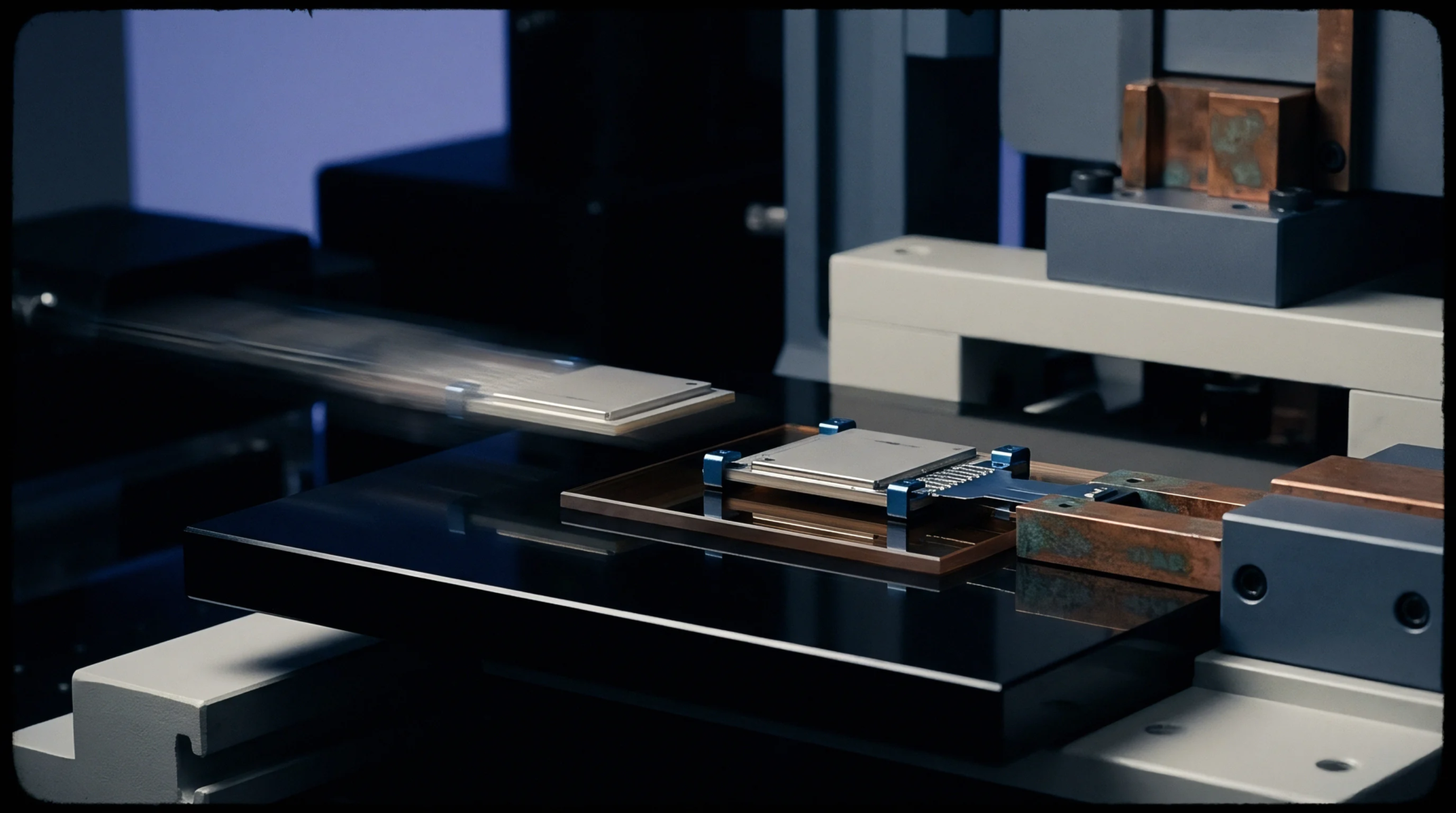
Initial root provisioning occurs inside secure manufacturing cells via dedicated programming heads before printed circuit boards join downstream assembly lines. Injecting unique identity certificates into a cryptographic token establishes the hardware anchor needed for cloud onboarding and digital asset management. Handover documentation tracks factory key injection logs alongside cryptographically signed device identity certificates verified against the issuer public key infrastructure.
Zeroization sequences immediately render uninitialized parts unusable if physical housing integrity fails during board assembly.