Meaning
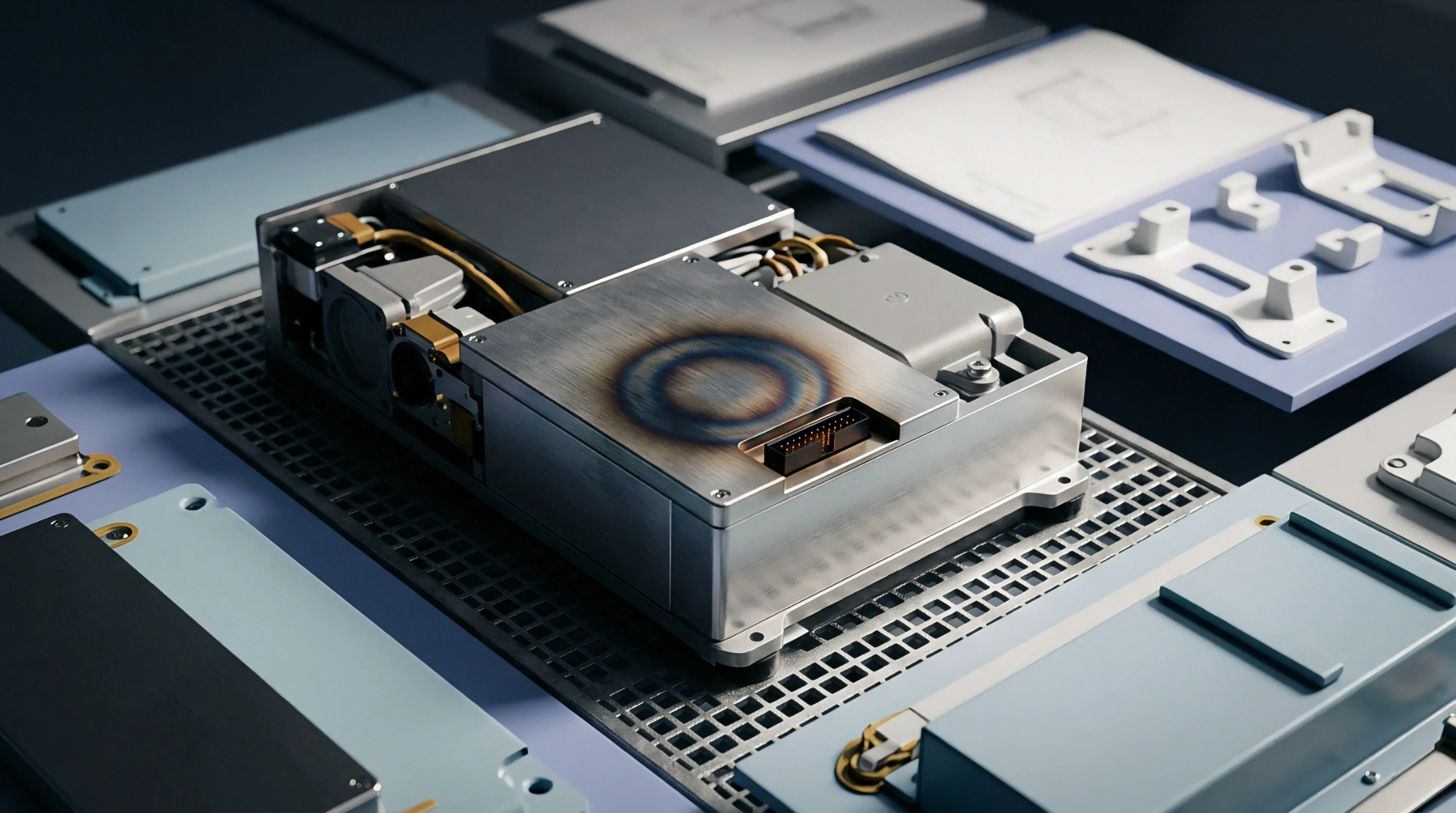
The designated time frame allowed for structural adhesives and potting compounds inside connectivity modules to reach full polymerization before mechanical stress testing begins. Manufacturers define this duration across technical data sheets to prevent premature joint failure during the transition from assembly lines to thermal cycling chambers. Production floors apply this interval after ultraviolet curing lamps or thermal ovens complete their primary phase, leaving the material inside enclosed circuit boards to crosslink entirely.
Components subjected to physical strain before this internal chemical stabilization finishes will develop microfractures along the boundary where metal pins meet resin matrices.
Polymerization Window
Epoxides and polyurethanes undergo exothermic reactions that release volatile compounds until molecular chains achieve maximum density. Technicians monitor ambient relative humidity and temperature levels inside the curing enclosure because airborne moisture alters the reaction rate of moisture-cure silicones. Chemical crosslinking proceeds outward from the interface between the substrate and the liquid encapsulant, creating a gradient of mechanical properties until the innermost core solidifies.
Thermal Budget
Enclosure housings absorb residual heat generated during the exothermic stage of high-density potting materials. Excessive thermal accumulation inside dense plastic assemblies accelerates polymer shrinkage, which induces shear stresses upon delicate solder joints and surface-mounted components. Engineers balance oven dwell times against subsequent room-temperature holding durations to avoid thermal shock while the resin completes its chemical transformation.
Verification Protocol
Quality control inspectors subject cured smart devices to mechanical pull tests and vibration sweeps only after the designated polymerization interval expires. Laboratories record peak force resistance values during destruction assays to confirm that the resin achieved sufficient tensile strength for field deployment. Test documentation requires a signed timestamp verifying that the assembly rested undisturbed for the full duration specified by the chemical supplier.