Meaning
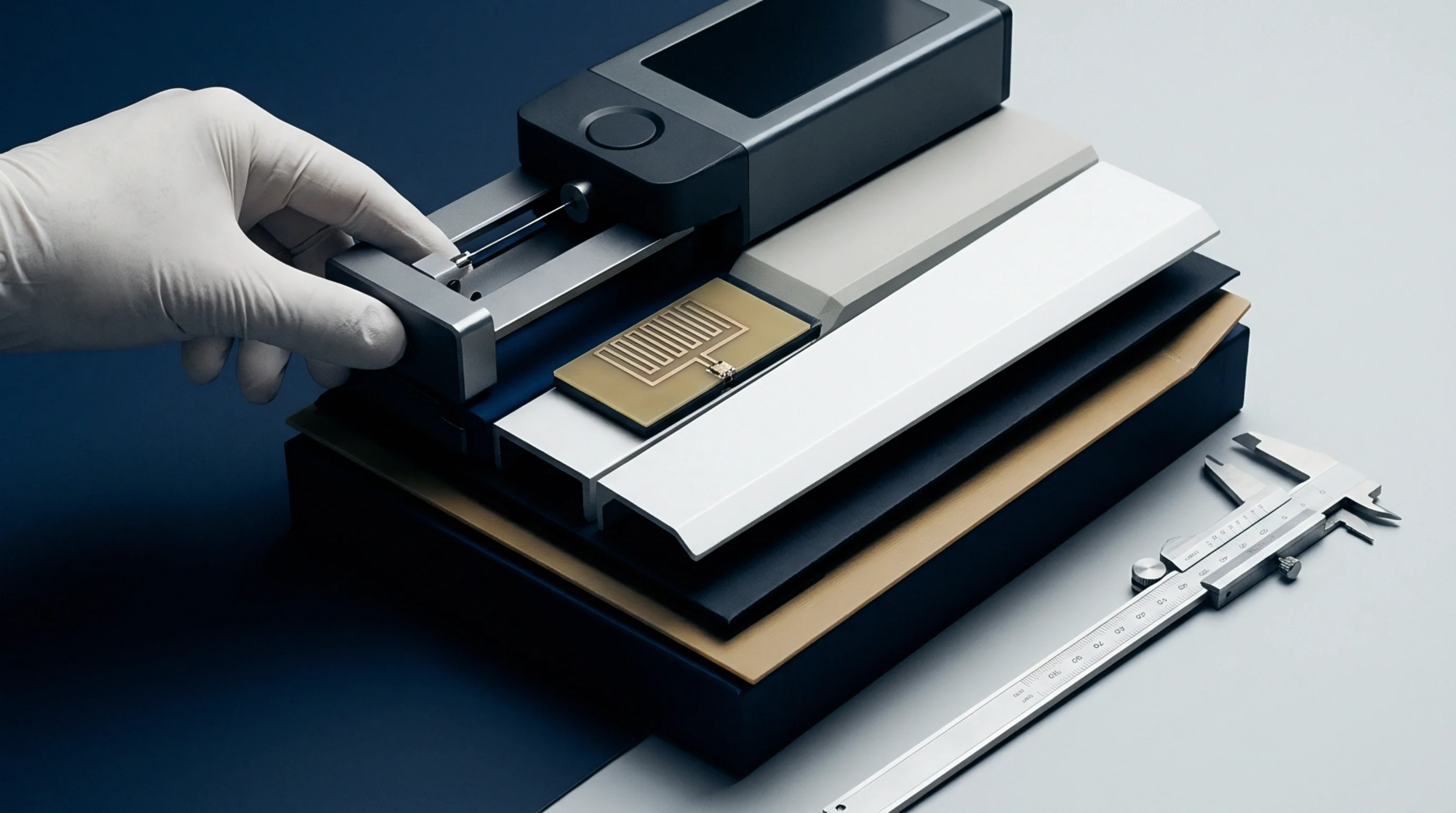
Physical models filled with material that mimics the electrical properties of human tissue are utilized to measure the specific absorption rate of radio frequency energy. The use of a dielectric phantom provides a stable and repeatable testing environment during the certification of wireless devices. These models are engineered to possess specific permittivity and conductivity values across the operating frequencies of the device under test.
Liquid and gel compositions are formulated to match different body parts such as the head or torso.
Tissue Simulation
Synthesized mixtures of water and chemical agents represent the complex electrical characteristics of human muscle or brain matter. Within a dielectric phantom, the compound must remain chemically stable and hold its electrical properties over time. Variations in temperature or evaporation can alter the dielectric constant, which skew the test results.
Absorption Assessment
Measurement probes scan the internal volume of the model to map the electric field strength during active transmission. When a mobile module is placed against the dielectric phantom, the collected data determines compliance with regulatory exposure limits. This scanning process relies on precision robotic arms to position the probe with sub-millimeter accuracy.
Calibration Metric
Standard bodies mandate regular verification of the mixture properties using coaxial probe coaxial methods. The reference value of the dielectric phantom must fall within a narrow percentage of the target standard to ensure legal compliance. Any drift requires the replacement or reformulation of the simulated tissue material.