Meaning
European regulatory frameworks govern radio equipment placed on the market by establishing essential requirements for health, safety, electromagnetic compatibility, and efficient spectrum use. Directive 2014/53/EU acts as the primary legal instrument for manufacturers deploying wireless modules, cellular gateways, and short-range devices within the European Union. Products lacking conformity assessment under Directive 2014/53/EU fail customs clearance and face immediate withdrawal from commercial distribution channels.
Radio Compliance
Technical documentation supporting compliance under Directive 2014/53/EU requires comprehensive test reports demonstrating adherence to harmonized European standards. Laboratories measure transmitter output power, receiver blocking performance, and spurious emissions across designated frequency bands. Margin verification ensures that component aging and thermal drift inside enclosed enclosures do not push the radio transceiver outside authorized operational limits.
System Integration
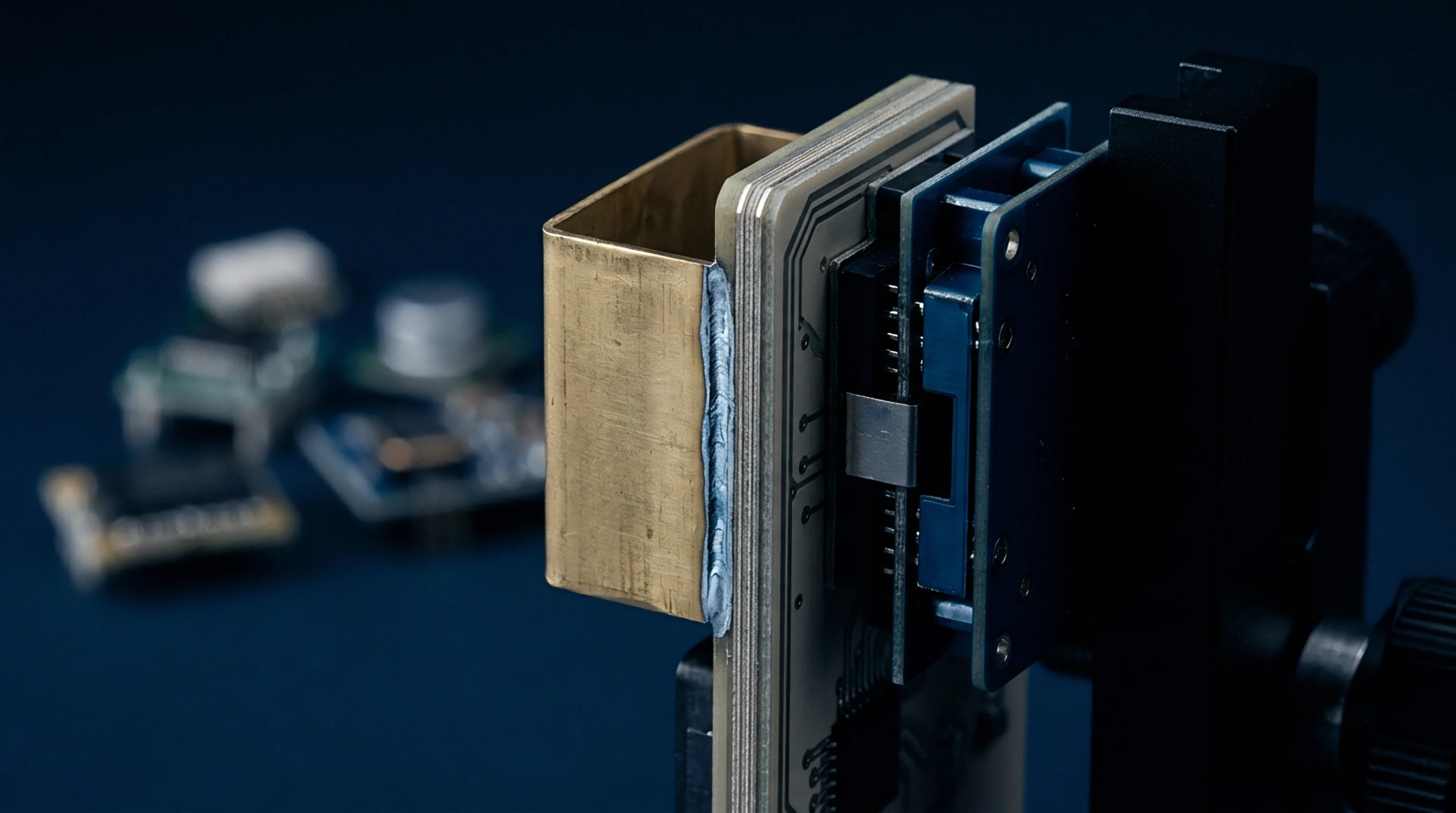
Mechanical housing design influences radio performance by altering antenna radiation patterns and introducing parasitic capacitance near radiating elements. Engineers evaluating hardware assemblies under Directive 2014/53/EU must account for proximity effects between cellular modems, printed circuit board traces, and metallic shielding cans. Final product verification supersedes component level declarations because inter-module interference within a multi-radio host changes the overall spurious emission profile.
Conformity Verification
Market surveillance authorities inspect technical construction files containing risk assessments and EU declarations of conformity compiled by the manufacturer. Supply chain partners verify that the CE mark affixed to the nameplate corresponds directly to the specific radio test suites executed during production control. Regulatory compliance under Directive 2014/53/EU terminates liability for the importer only when production test routines maintain statistical equivalence with the initial type-examination samples.