Meaning
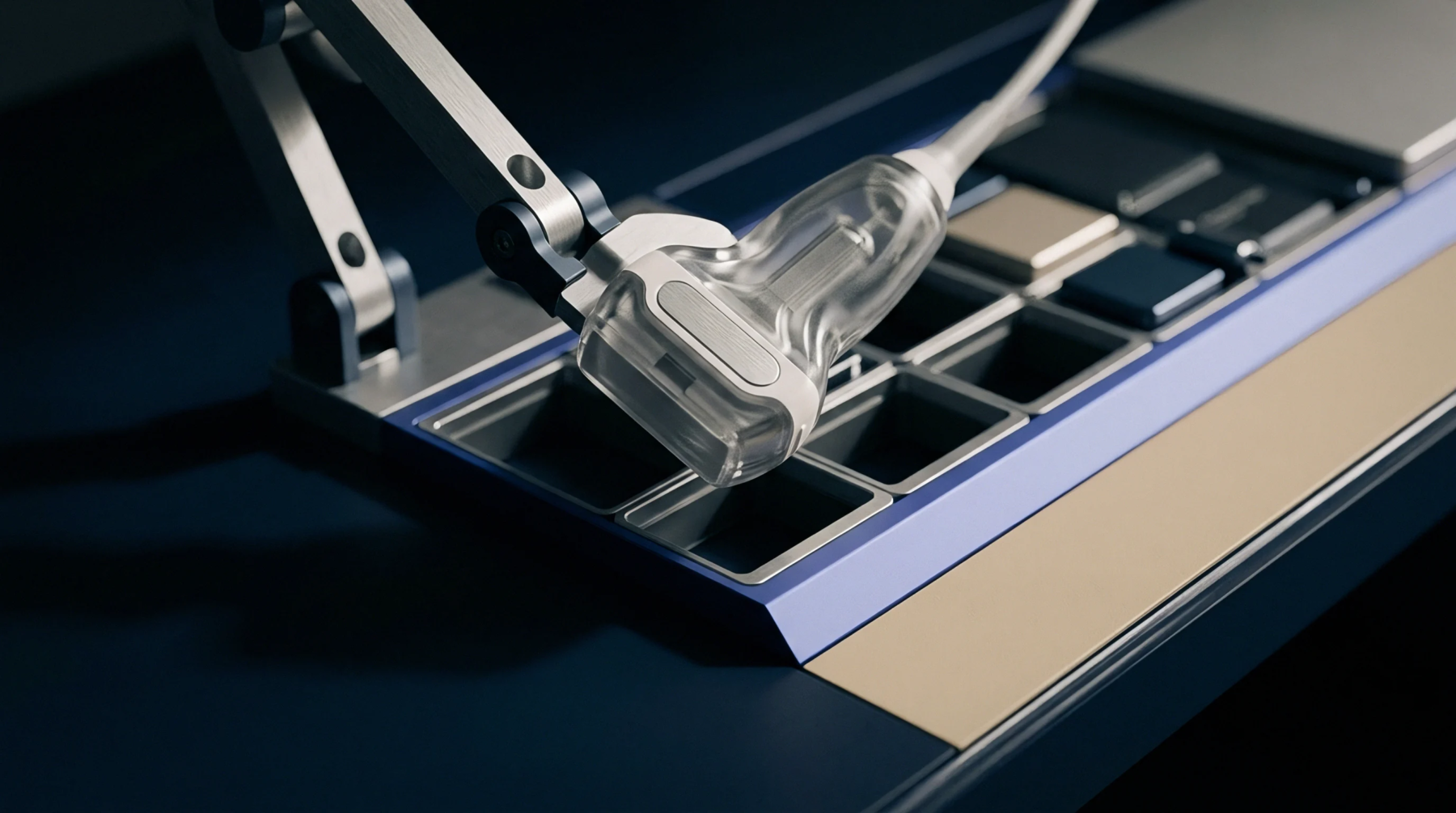
Electromechanical testing machinery provides the physical framework required to apply variable stresses to an active component or assembly. Manufacturers utilize a dynamic test rig to simulate real-world operating conditions such as vibration and temperature swings on communication modules. This system ensures that the unit under examination conforms to the mechanical and thermal requirements before it enters mass production.
Mechanical Assembly
Sturdy structural beams and high-frequency actuators form the physical backbone of the test environment. Integrating a smart antenna or radio board into the dynamic test rig requires precise alignment with the sensor brackets to prevent parasitic forces from corrupting the measurement data. Heavy steel fixtures absorb unwanted vibrations while high-speed load cells continuously record the applied forces.
Cable management must remain flexible during these active cycles to prevent tension from affecting the measured output.
Performance Validation
Environmental stress testing checks the durability of internal circuit board solders. The hardware must survive hours of continuous simulation without cracking.
Control Mechanism
Software algorithms coordinate the force profiles and log the thermal data in real time. This automation allows engineers to correlate physical motion with electronic signal drops. Discrepancies between the applied forces and electrical output indicate mechanical design weaknesses.