Meaning
Regulatory limits on electromagnetic emissions and immunity define the legal parameters for electronic devices operating in their intended electromagnetic environments. Complying with emc standards ensures that a high-frequency smart module neither disrupts neighboring wireless networks nor fails when subjected to external electrostatic discharges. These requirements are certified by authorized test laboratories before a product can be legally distributed.
Test Protocol
Radiated emissions testing in anechoic chambers measures the electromagnetic energy escaped from the enclosure across a specified frequency band. Compliance with relevant emc standards requires that these measured signals remain below the maximum limits established by regulatory bodies. This step is conducted at both the component level and the final integrated system level.
Module Level
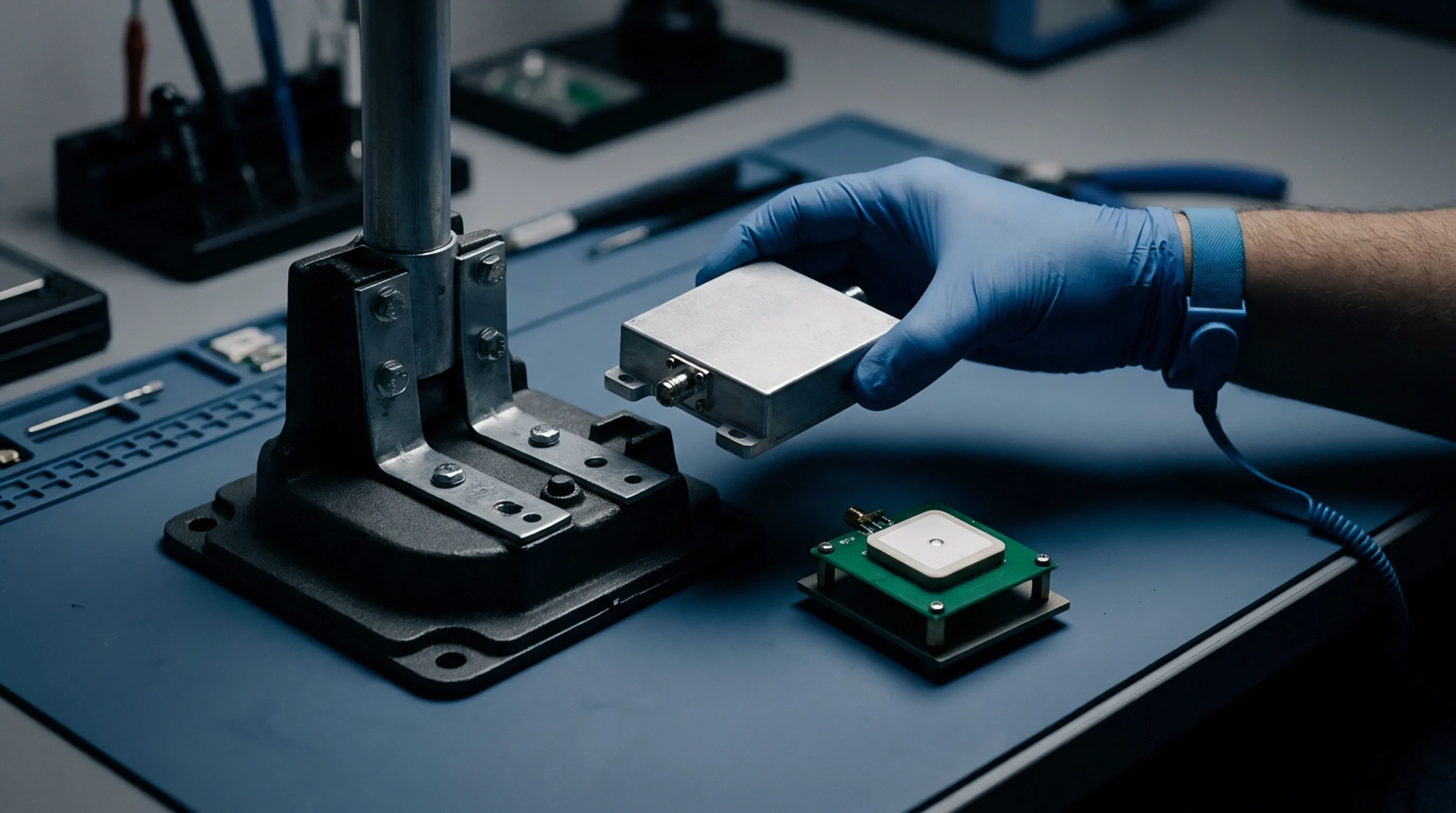
Pre-certified wireless modules carry individual approvals that simplify the compliance process for the host product. However, when integrated into a complex enclosure, the emc standards still mandate full testing of the final assembly to account for parasitic coupling and antenna interactions. This system-level evaluation verifies that the combined unit behaves correctly under dense operating conditions.
Board-level shielding, proper grounding of the enclosure metalwork, and inline ferrite filters are common additions implemented during this integration phase to prevent high-frequency leakage from compromising the final test results.
Product Certification
Test reports generated by accredited laboratories form the basis for the declaration of conformity. Aligning the system with global emc standards allows the manufacturer to apply required safety markings and ship the product internationally. This regulatory alignment minimizes the risk of product recalls and ensures access to diverse commercial markets.