Meaning
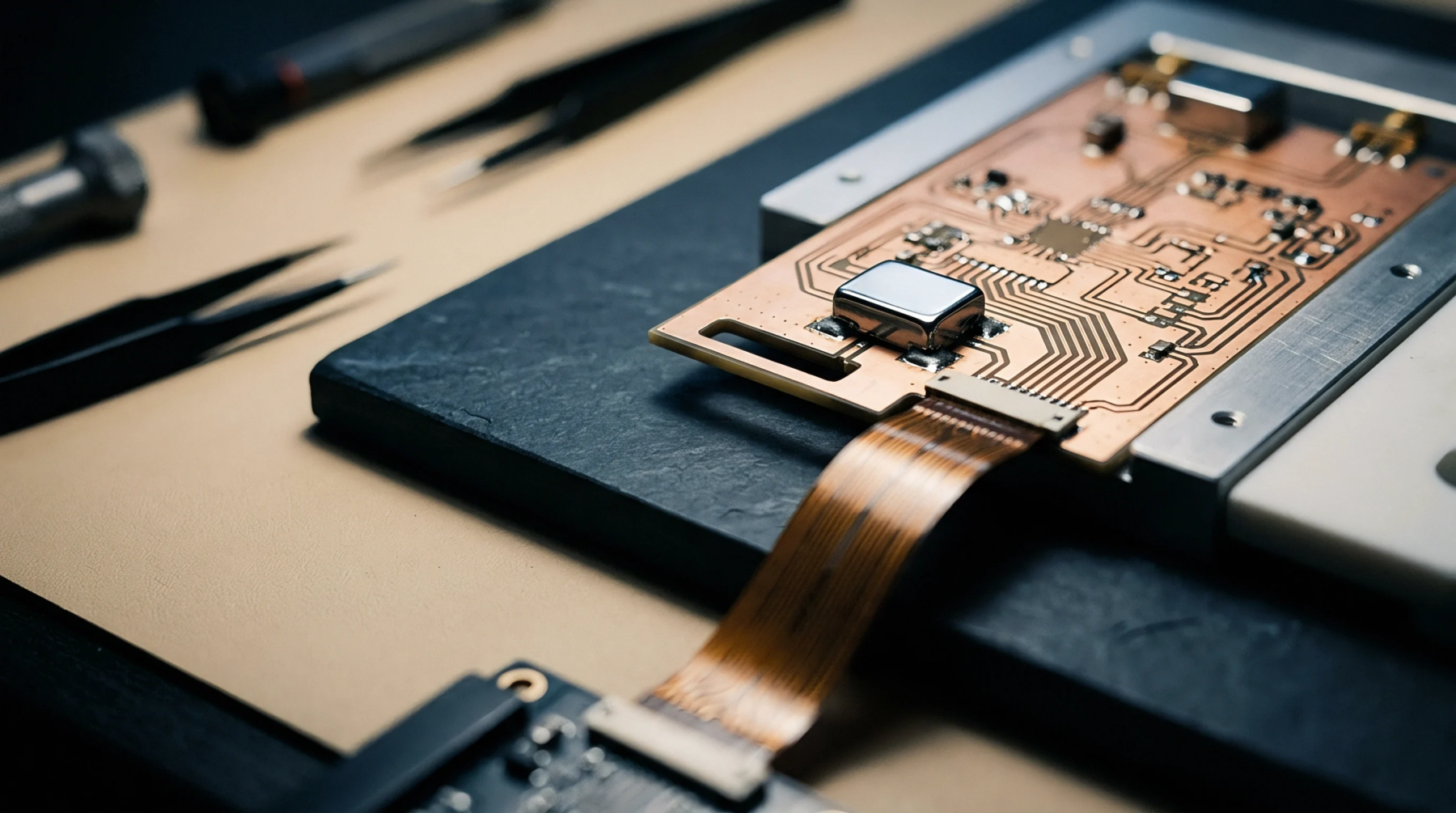
Board rework procedures incur specific physical and thermal risks that can permanently compromise an assembly during component removal. The presence of extraction liabilities denotes the probability of collateral damage to nearby traces and neighboring surface-mount devices during desoldering.
Thermal Impact
Localized heat application during desoldering must remain constrained within narrow bounds to prevent delamination. When hot air or infrared radiation is applied to melt solder on a multi-pin chip, adjacent components experience elevated temperatures. This uncontrolled heat transfer can induce secondary reflow and weaken the solder joints of nearby passive components.
A dedicated shield or mask is frequently used to limit the exposure area.
Risk Mitigation
Careful selection of nozzle geometries and thermal shielding can reduce the likelihood of collateral damage. Preheating the entire assembly reduces the localized temperature gradient needed to melt the target joints. This method lowers the thermal stress on both the board substrate and adjacent components.
Production lines require documented procedures to define the maximum exposure duration before damage occurs.
Consequence Assessment
Failure to manage these risks results in scrapped boards and increased manufacturing costs. Damaged pads under a removed wireless module cannot easily be repaired, rendering the entire assembly unusable. Operators must evaluate the physical spacing and the thermal sensitivity of nearby materials before initiating any rework.
Post-rework inspection represents the final verification step to confirm that no adjacent solder joints were compromised during the extraction.