Meaning
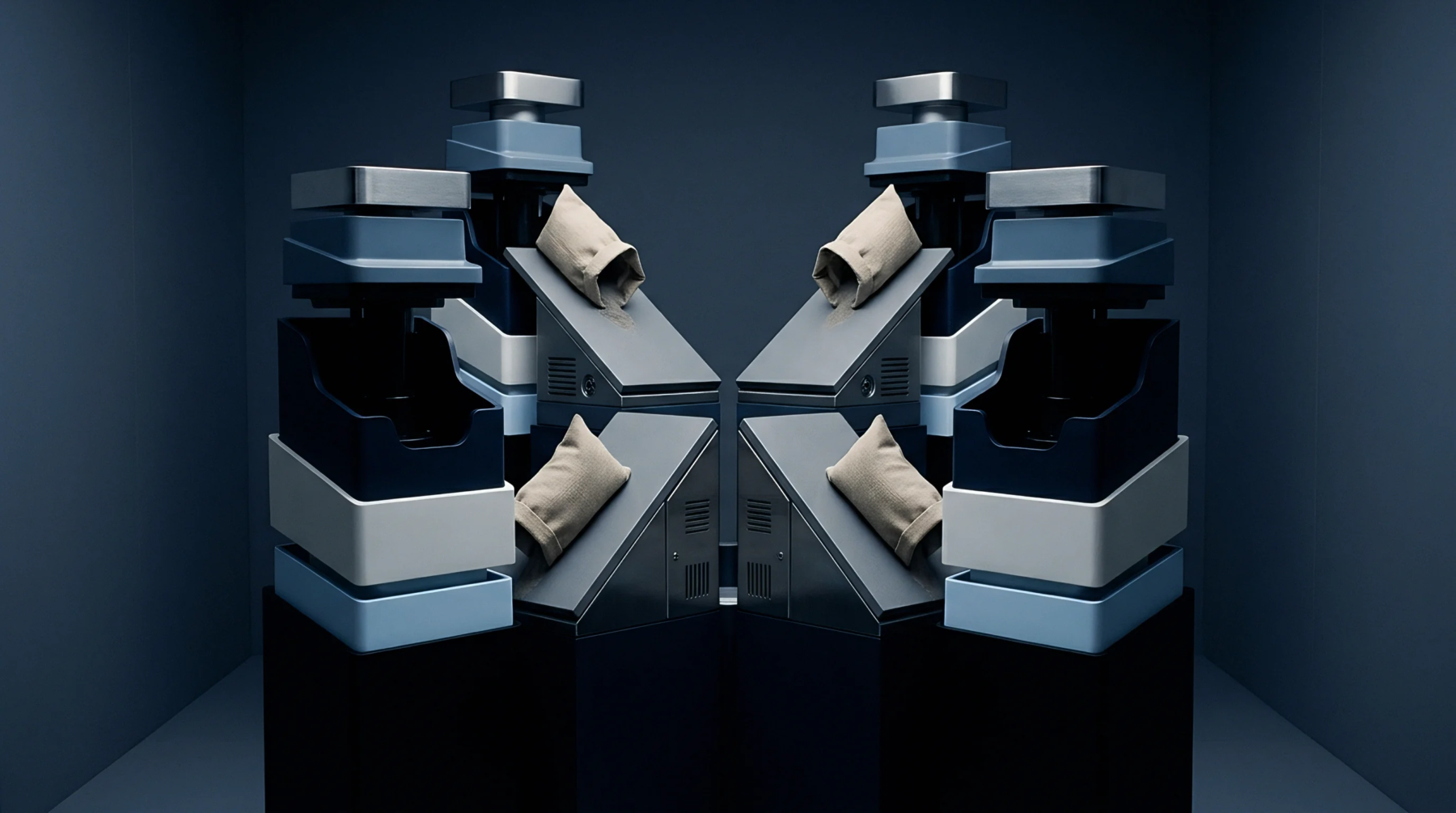
Custom test equipment establishes temporary electrical connections to fully assembled printed circuit boards to execute operational software diagnostics. These assemblies, known as functional test fixtures, use spring-loaded pins to contact specific test points and simulate the board’s final operating environment.
Interface Hardware
Automated manufacturing lines rely on mechanical stability to execute repeatable test sequences without human intervention. The functional test fixtures must hold the board under test securely to prevent the pogo pins from slipping off their target pads during the cycle. Any mechanical shifting can cause false failures or damage the circuit tracks on the board.
Pneumatic or manual clamping systems provide the necessary downforce to maintain continuous electrical contact.
Custom Tooling
Precision engineering governs the design of the plates that house the spring-loaded pins for each unique product variant. Because the layout of test points changes with each design revision, functional test fixtures are customized for each specific board revision. Reusing a fixture for a modified board requires re-drilling the support plates and rerouting the wiring harnesses.
Sourcing these fixtures from specialized vendors is a substantial cost element in the production setup phase.
Signal Routing
High-frequency diagnostics require short wire runs and proper shielding to prevent signal degradation within the test setup itself. The internal wiring of the functional test fixtures must be routed to minimize cross-talk and electromagnetic interference from external power supplies. Integrating load resistors, relays, and measurement modules directly into the fixture housing improves signal quality.
This localized routing ensures that the test results accurately reflect the performance of the board rather than the limits of the test setup.