Meaning
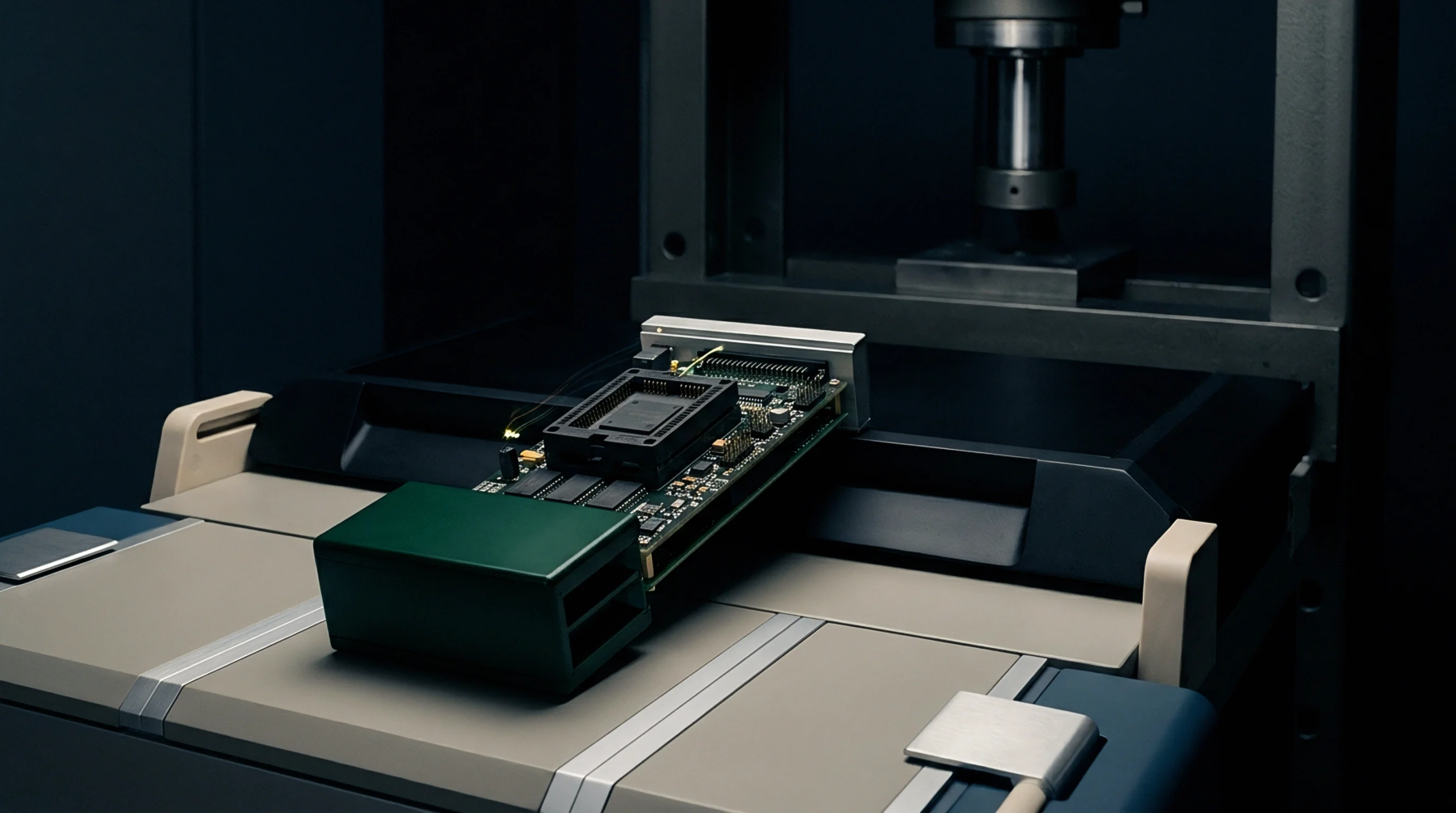
Gradual removal of the protective gold layer on electronic contacts occurs through friction and mechanical insertion cycles. This degradation process, known as gold plating wear, exposes the underlying nickel or copper alloys to environmental contamination. It decreases electrical reliability by replacing a highly stable interface with metals that are prone to oxidation.
Surface Degradation
Sliding contact between mating connector pins generates abrasive forces that scrape away metal layers. Under repeated cycling, gold plating wear accelerates as surface roughness increases and micro-debris is trapped between the contacts. The use of a harder gold alloy, such as gold cobalt or gold nickel, slows this mechanical erosion.
Thin gold layers are particularly susceptible to this action, necessitating thicker plating for high-insertion applications.
Exposure Risk
Under-layers of nickel are exposed to air when the gold coating is worn away. This exposure triggers the formation of non-conductive oxides that increase contact resistance. Because the underlying metal is susceptible to corrosion, moisture and industrial gases can cause rapid failure of the electrical path.
In humid environments, galvanic action between the dissimilar metals accelerates the deterioration of the contact interface.
Connector Durability
Connector lifespan is determined by the number of mating cycles the gold finish can withstand before failing. When a device undergoes gold plating wear, the stability of high-speed signals is compromised. Lubricants are sometimes applied to reduce friction, but they can collect dust and cause electrical issues if not carefully managed.