Meaning
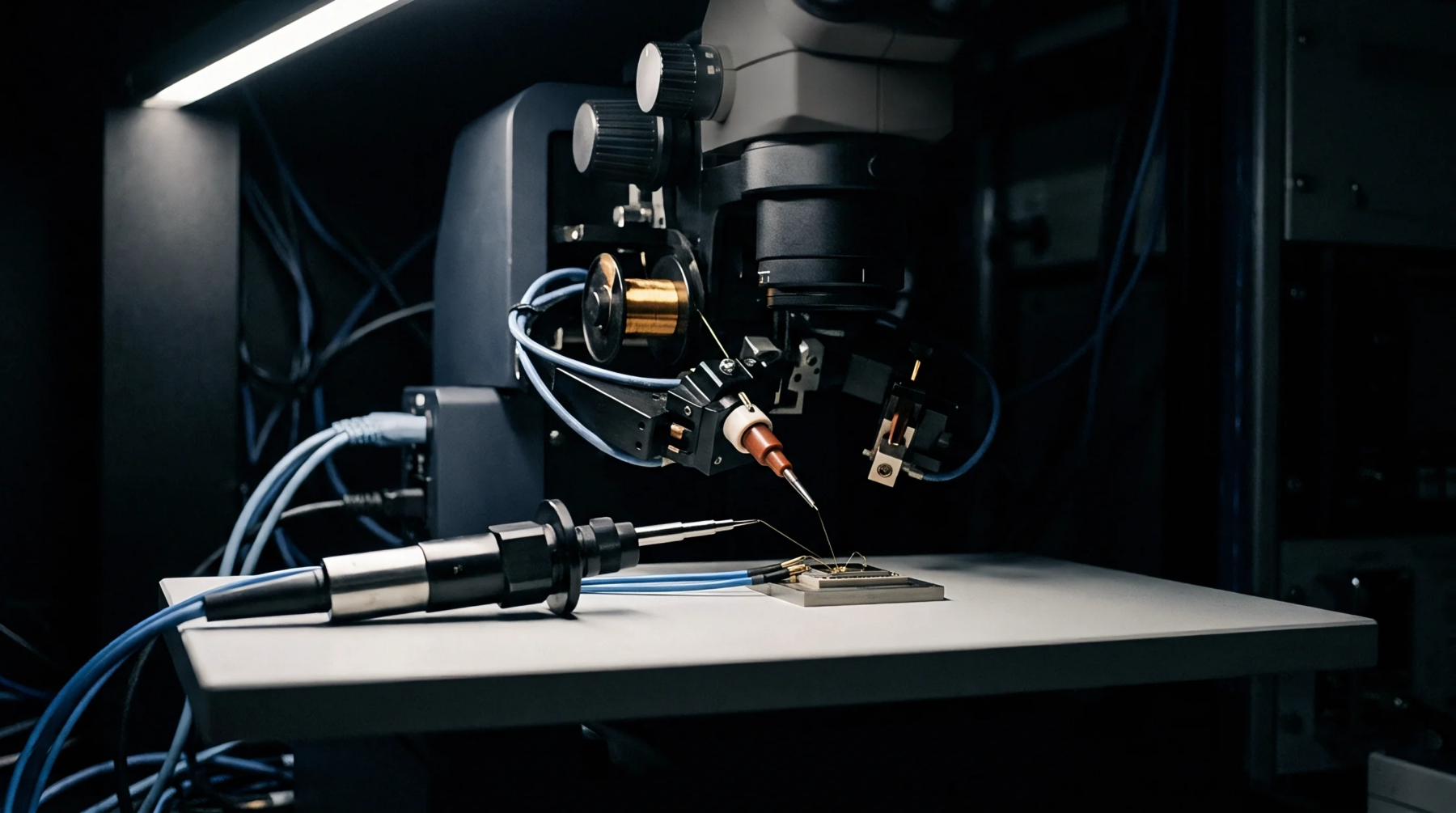
An active assembly increases the frequency of an input signal through successive harmonic generation stages while maintaining high output wattage. A high power multiplier chain typically combines frequency doublers or triplers with intermediate power amplifiers to reach millimeter-wave or terahertz frequencies. This configuration overcomes the power limitations of standard oscillators at extremely high frequencies.
Each stage in the chain must handle the thermal load generated by conversion losses and amplification. Precise filtering at each junction removes unwanted harmonics before they reach the next stage.
Thermal Management
Dissipating heat from the varactor diodes or transistors is required to prevent frequency drift or catastrophic failure. The high power multiplier chain uses integrated heat sinks or liquid cooling in high-output applications.
Conversion Efficiency
Efficiency ratios describe the percentage of input power successfully converted to the desired harmonic frequency. A high power multiplier chain achieves optimal performance when the input drive level matches the nonlinear characteristics of the multiplying elements. Input matching networks minimize reflected power and maximize the energy transferred to the harmonic generator.
Harmonic Suppression
Rejection of undesired frequency components ensures that the final output meets spectral purity requirements. The high power multiplier chain utilizes waveguide filters or bandpass structures to isolate the target harmonic. High suppression levels prevent interference with adjacent communication channels or sensitive receiver components.
Final testing confirms that the output spectrum contains only the intended signal within the specified power envelope.