Meaning
Regulatory exposure arising from customs declarations, tariff classifications and border agency holds assigned to incoming radio modules and smart devices before factory floor integration. Import clearance risk determines whether hardware consignments clear port inspection without triggering tariff reassessments or forced re-export procedures. Border inspection officers evaluate tariff codes against actual component functionality during physical audits, halting shipments if discrepancies emerge between declared documentation and internal RF circuitry.
Procurement teams mitigate this exposure by aligning bill of materials descriptions with Harmonized System nomenclature before dispatch from manufacturing hubs. Consignments failing initial documentary verification face mandatory physical inspection, incurring daily storage fees at port terminals and delaying downstream assembly schedules.
Border Protocol
Customs authorities assess compliance through document verification and targeted physical screening of imported electronic assemblies. Border agencies cross-reference declared tariff codes with physical samples drawn from shipping containers during random or targeted audits. Discrepancies between declared specifications and internal radio frequency architecture trigger formal holds under national customs regulations.
Clearance Delay
Administrative holds disrupt supply chain timing by halting component release pending resolution of technical classification disputes. Factory assembly lines experience downtime when expected integration batches remain impounded within port storage facilities. Consignee expenses accumulate rapidly through demurrage charges and mandatory warehouse inspection fees assessed during dispute resolution periods.
Component Audit
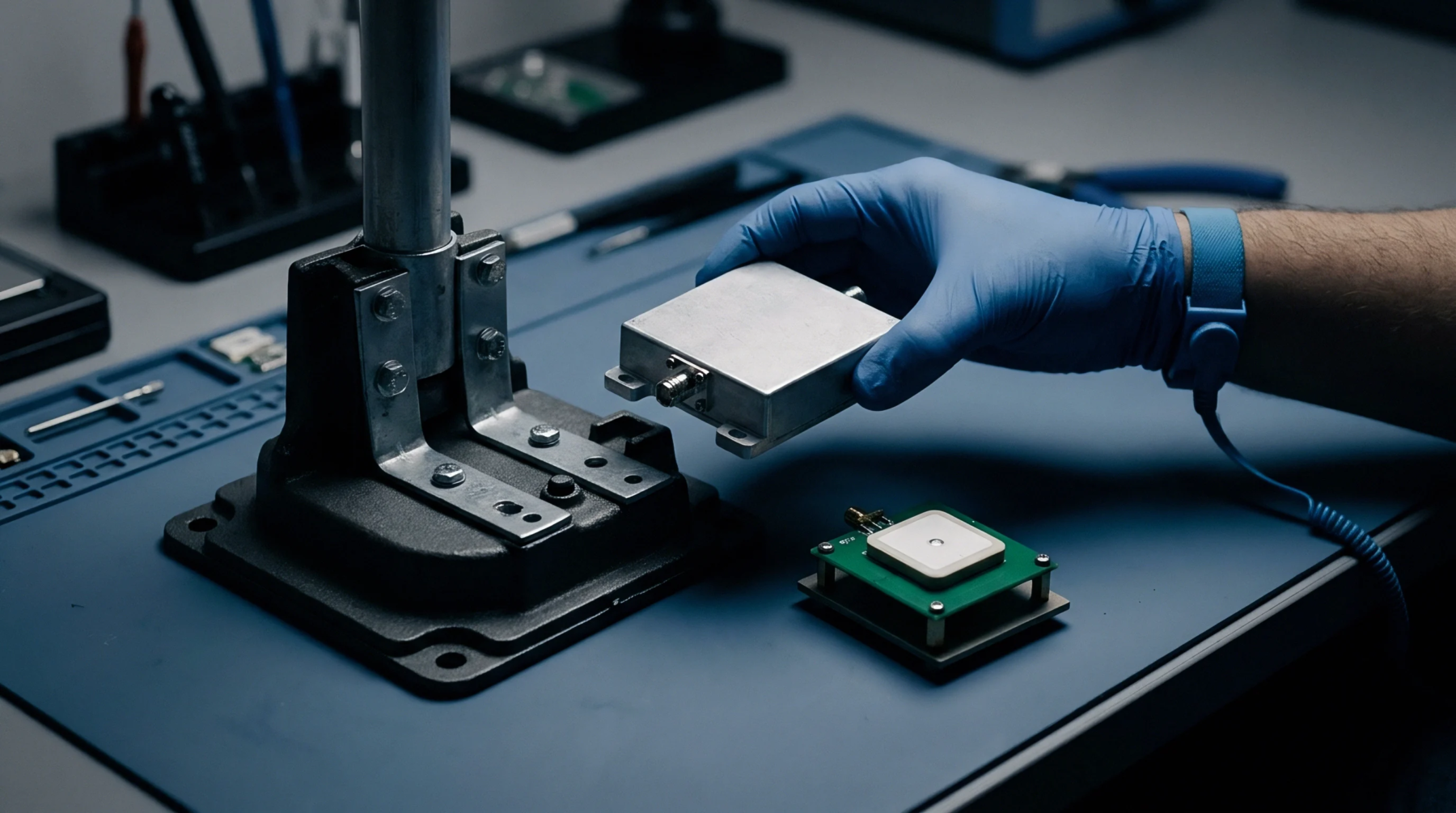
Technical verification teams reconcile physical hardware characteristics against official customs declarations prior to factory acceptance. Laboratory engineers inspect printed circuit board markings, wireless module certifications and antenna placements to confirm alignment with import documentation. Final clearance approval permits transfer of electronic components from port facilities to manufacturing integration lines.