Meaning
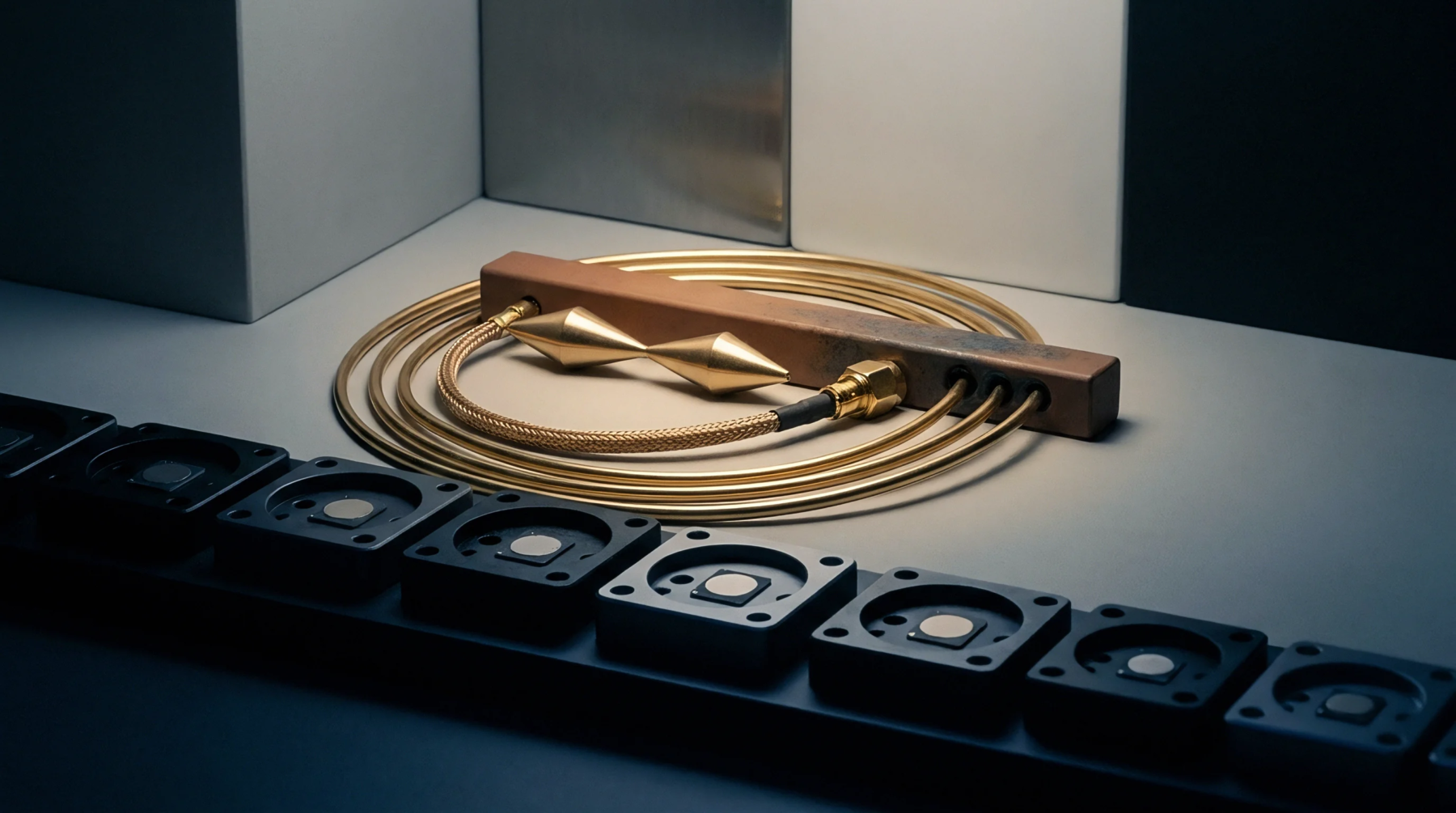
Manufacturing flow designs arrange individual stations in a linear progression where product units travel sequentially through dedicated work cells. An in line assembly configuration mandates that every workstation completes a specific sub-task before passing the object to the next station without backtracking or buffer accumulation. This architecture maximizes throughput by synchronizing cycle times across the entire production line.
Constant motion defines the material movement, which eliminates the logistical friction found in batch processing systems.
Integration Constraint
Each module along the physical sequence requires precise alignment with the thermal and mechanical specifications of the parent assembly. The interface between stations relies on standardized jigs that hold components in place for automated or manual fastening. A misalignment at one stage propagates defects down the line, so practitioners enforce rigorous quality gates between each transition point.
Testing protocols identify drift in workstation performance by comparing finished output against the baseline tolerance level.
Component Specification
Sub-assemblies undergo individual verification before arrival at the main line to ensure local electrical or structural requirements meet defined ratings. Engineers define these ratings as the capability of a part to survive specific environmental conditions or operational loads without failure. The handover document verifies that the supplier has executed required functional tests prior to physical integration into the line.
A component that fails validation within this documentation framework prevents the entire unit from advancing to final packaging or deployment.
Production Velocity
Total cycle time depends on the slowest individual station within the linear sequence. Balancing the workload prevents a bottleneck from restricting the capacity of the faster preceding units. Managers adjust the distribution of tasks among stations to minimize idle time and optimize the movement of goods through the factory environment.
Success in this production model rests on the uniformity of input parts and the predictability of the mechanical steps taken at every position.