Calculating Foreign Module Assembly Conversion Expenses
Foreign module conversion expenses isolate pure assembly, packaging, and test machine runtime from bill of materials costs to control true landed margins.


Toll
Contract manufacturers invoice microelectronic module assembly through two main structures: turnkey contracts and consigned value-add processing. In calculating offshore assembly expenditure, conversion charges isolate pure manufacturing steps from the underlying bill of materials. Direct component costs, laminate procurement, and raw silicon wafers fall outside this figure.
Instead, the conversion baseline combines pick-and-place, die attach, wire bonding or flip-chip interconnection, transfer molding, saw singulation, and inline screening into a single per-unit processing charge.
Cleanroom overhead costs drive up hourly line rates.
Under a standard consignment setup, the buyer keeps title to all raw passives, packaged ICs, bare dies, and multi-layer bismaleimide-triazine carrier boards. The offshore plant acts strictly as a processor, billing only for machine runtime, technician labor, plant depreciation, tooling amortization, and consumable chemicals. This conversion fee forms the supplier’s actual processing margin.
Breaking it out separately prevents assembly partners from adding markups to passives or silicon bought from global distributors under buyer-negotiated pricing.
A six-station surface mount line operating at eighty percent utilization invoices assembly conversion at forty-two dollars per panel hour under continuous nitrogen purge.
Machine depreciation makes up the largest share of line charges.
Plants set conversion charges by measuring net panel velocity through SMT and packaging areas. An automated SMT line with dual-gantry chip shooters, multi-function placement heads, vacuum reflow ovens, and automated optical inspection carries amortized operating costs between eighty and one hundred sixty dollars per hour. Dividing this hourly rate by the net yielded panels processed per hour gives the gross conversion cost per panel.
Dividing that number by the module matrix count isolates the single-unit conversion cost before secondary operations.

Commercial Partitioning of Conversion Elements
Evaluating quotes requires separating direct processing tasks from factory overhead. Plant managers frequently try to push equipment maintenance, solder paste qualification runs, and moisture-barrier packaging supplies into general conversion markups. Buyers protect unit margins by requiring a detailed cost breakdown before committing capital to carrier tooling.
| Expense Category | Consigned Processing Ledger | Turnkey Contract Model | Primary Cost Driver |
|---|---|---|---|
| SMT Placement | Net line rate per panel hour | Unit conversion markup | Component count and feeder pitch |
| Die Attach and Interconnect | Indexed machine seconds per die | Integrated package adder | Wire count and epoxy cure cycle |
| Encapsulation and Cure | Mold press cycle rate | Enclosure fee | Resin pellet weight and clamp tonnage |
| Singulation and Dicing | Blade erosion and spindle hours | Per-unit dicing tariff | Substrate thickness and feed speed |
| Factory Overhead | Capped percent on direct hours | Blended margin factor | Cleanroom ISO classification level |
Negotiated conversion rates reflect how utility and consumable risks are assigned across the run. When grid instability or local nitrogen shortages halt a line, unhedged contracts leave buyers paying for idle labor hours.
Under standard IPC-1782 traceability agreements, contract terms that slip environmental compliance and hazardous waste fees into variable conversion charges increase unit manufacturing costs by four to seven percent on high-volume runs.


Line
Automated SMT lines reach rated placement speeds only with idealized feeder layouts that seldom hold up under dense RF design requirements. Real conversion costs depend on how much actual placement slows relative to nameplate specs. A chip shooter rated at one hundred thousand components per hour often drops to forty-five thousand per hour when placing 0201 passives next to grounded RF shield walls.
Stencil aperture geometry determines solder print volume.
Conversion pricing tracks conveyor rail time. Whenever a panel pauses in a paste printer, reflow oven, or inspection cell, surrounding equipment wastes unrecoverable conversion capital. Per-module assembly charges scale inversely with line efficiency ~ calculated as the bottleneck cycle time divided by total line cycle times.
If an RF module pairs three bare silicon dies needing precision attach with two hundred discrete passives, the long index time of the epoxy dispenser or thermosonic die bonder sets the speed for the whole line.

Where Do Cycle Times Diverge from Quotations?
Initial supplier quotes usually assume ninety percent overall equipment effectiveness. While offshore plants typically run two ten-hour shifts with scheduled maintenance, actual equipment availability usually hovers between seventy-two and seventy-eight percent. Feeder jams, shifting paste viscosity, and nozzle pickup errors force pauses that suppliers absorb by inflating their baseline conversion rates.
- Solder paste deposition requires consistent squeegee pressure and aperture release cycles, setting the baseline cycle time for all downstream packaging steps.
- High-speed placement moves micro-discrete decoupling arrays at maximum gantry speed to place as many parts as possible before slower semiconductor stages.
- Die attach bonding sets bare silicon into conductive epoxy, requiring thermal cure times that create severe bottlenecks on unbuffered lines.
- Thermosonic wire bonding runs gold or copper wire loops across RF pads, taking machine time dictated by package pad geometry.
- Automated optical inspection checks solder fillets against IPC Class 3 defect criteria, catching poor wetting before modules enter encapsulation.
Operating under a nitrogen atmosphere adds steady consumable costs.
Thermosonic ball bonding adds direct conversion cost through wire consumption and bond-head indexing. Copper wire requires a nitrogen-hydrogen forming gas mix to prevent oxidation of the molten ball, introducing ongoing gas costs on top of the base machine rate. Gold wire avoids protective gas but incurs precious metal surcharges per thousand bonds.
Cost models track wear through capillary tool replacement, typically needed every five hundred thousand to one million cycles.
Transfer molding cycles follow strict timing limits that cannot be shortened without weakening epoxy cross-linking. Press clamps apply twenty to fifty tons of hydraulic pressure to multi-up leadframes or BT panels, injecting liquid epoxy through runner gates above one hundred seventy degrees Celsius. In-chase cure takes sixty to ninety seconds, followed by four to eight hours of post-mold curing in convection ovens.
Oven power consumption is an indirect cost that plants frequently leave out of initial quotes.
IPC-A-610 Class 3 acceptance criteria penalize line throughput by thirty percent relative to consumer-tier visual inspection regimes.
Solder bridging requires manual touchup.
Singulation is the final mechanical step in conversion. Saw dicing uses resinoid diamond blades spinning at thirty thousand to sixty thousand RPM to slice through molded panels, guided by optical fiducials. Blade kerf loss, spindle power, deionized water, and vacuum chuck upkeep feed directly into singulation costs.
Laser dicing avoids blade wear, but higher power and machine depreciation shift the expense from consumables to capital equipment amortization.
Placement machine de-rating often stems from unoptimized client layout spacing rather than outdated component feeder banks.
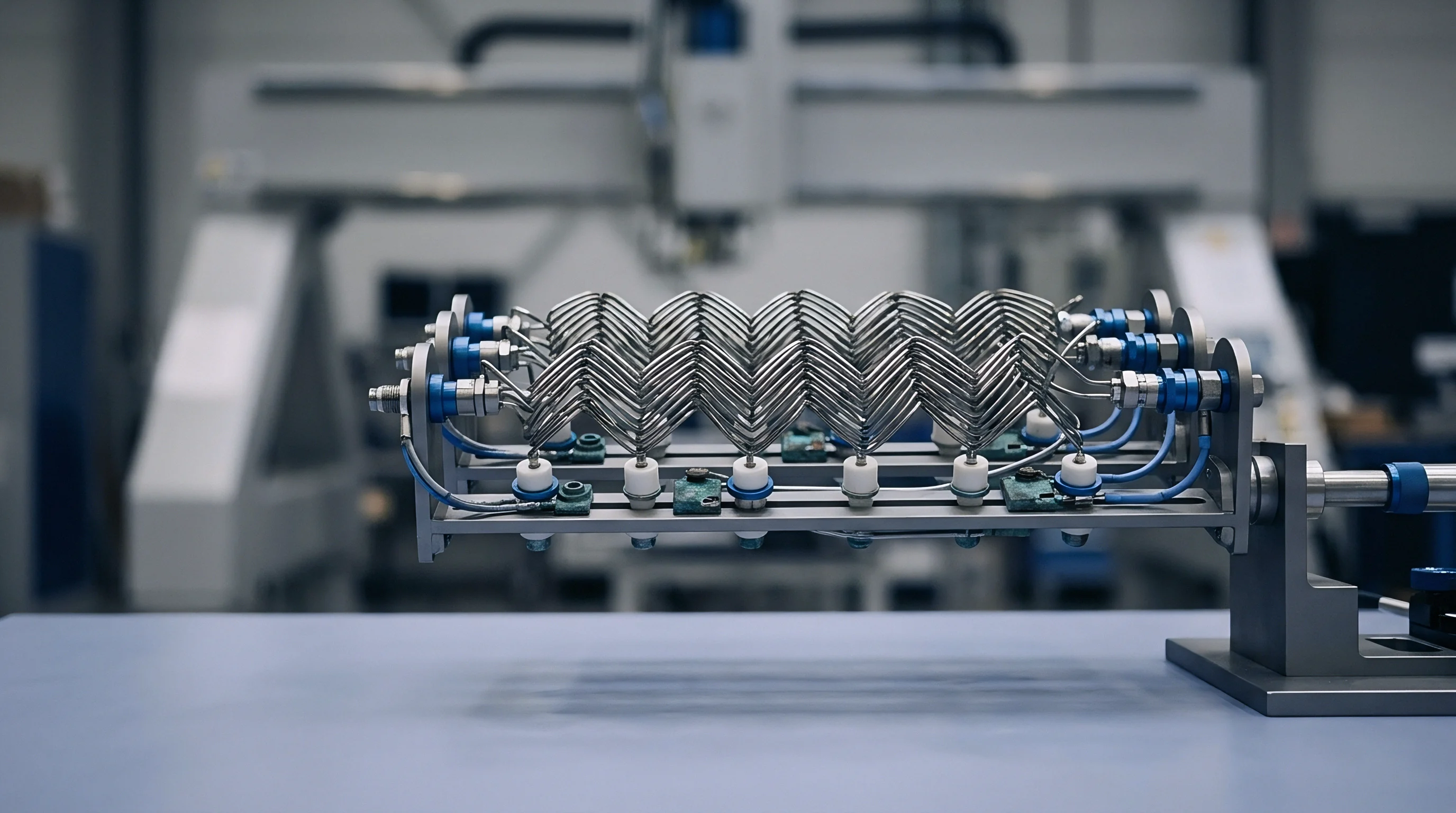

Socket
RF module conversion charges rise steeply during automated functional testing and calibration. Unlike basic digital ICs, wireless modules require multi-band power amplifier tuning, receiver sensitivity checks, local oscillator calibration, and harmonic emission sweeps. These procedures run on automated test platforms with high-frequency coaxial interfaces that carry heavy depreciation burdens.
Handler indexing speed caps test throughput.
RF test conversion costs depend on hourly tester depreciation combined with handler index speeds. Multi-site RF test heads run two hundred fifty thousand to seven hundred fifty thousand dollars per bench, producing operating costs of ninety to one hundred eighty dollars an hour. If calibration takes fifteen seconds and handler indexing adds two seconds, total test time per module is seventeen seconds.
Testing four units in parallel splits the instrument time, though socket maintenance costs quadruple.

Parallel Site Efficiencies and Mechanical Constraints
Pogo pin friction causes gradual contact degradation.
Compression pins in custom RF sockets suffer spring fatigue and plating wear under heavy daily cycling. Beryllium copper pins with hard gold plating typically handle thirty thousand to fifty thousand insertions before contact resistance exceeds fifty milliohms. Fluctuating resistance triggers false yield failures, causing unnecessary retests and rework.
Sockets require cleaning every five thousand touchdowns, adding planned downtime to test calculations.
| Test Stage | Instrumentation Platform | Cycle Duration Range | Conversion Rate Impact |
|---|---|---|---|
| DC Continuity and Leakage | Base PXI SMU Rack | 300 to 800 milliseconds | Minimal capital overhead |
| Frequency and Phase Tuning | Vector Signal Transceiver | 2.5 to 5.0 seconds | Moderate instrument burden |
| PA Harmonic Power Sweep | Spectrum Analyzer and Meter | 4.0 to 8.0 seconds | High instrumentation cost |
| Handler Index and Actuation | High-Speed Automated Handler | 0.8 to 2.2 seconds | Mechanical baseline cost |
| Thermal Chamber Verification | Conditioned Environmental Cell | 30.0 to 120.0 seconds | Severe capacity bottleneck |
Thermal chamber testing multiplies conversion costs when modules must be qualified across automotive or industrial temperature ranges. Cycling from minus forty to positive eighty-five degrees Celsius requires thermal streams, soak periods, and contactors built for thermal expansion. Requiring full thermal testing on one hundred percent of production lots doubles conversion expenses compared to ambient testing.
Parallel test sites lower unit conversion expense only while handler index intervals remain shorter than radio frequency measurement sweeps.
Gold wire usage scales directly with unit volume.
Firmware load times are another often-overlooked cost in test accounting. Flashing one to four megabytes of calibration tables, trim values, and MAC address certificates via boundary scan or serial wire debug takes several seconds of instrument time. High-volume operations avoid this bottleneck by flashing base firmware during panel-level programming before singulation, reserving expensive RF equipment for signal testing.
Tester utilization shapes test conversion costs far more directly than socket hardware pricing.
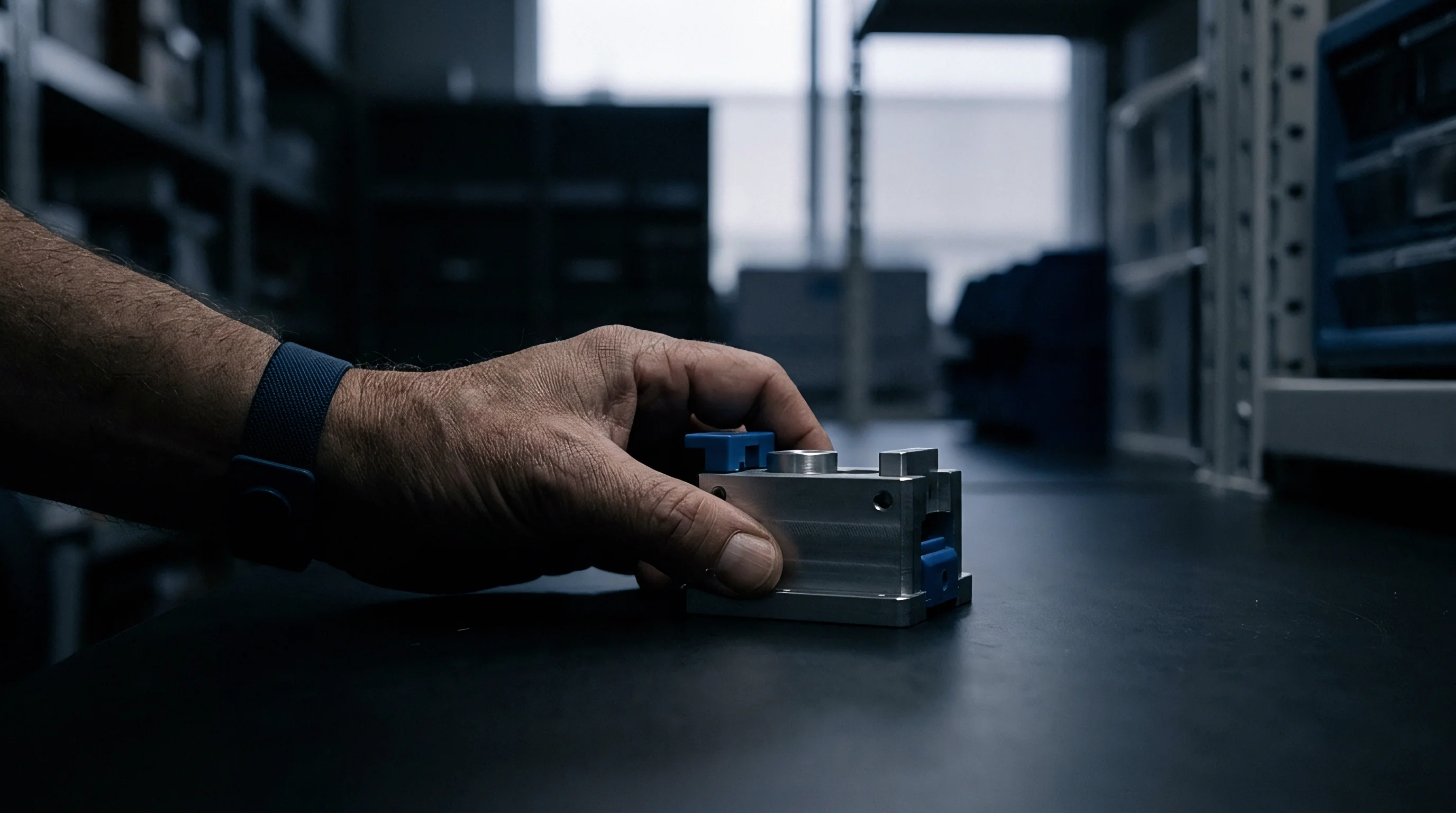
Scrap
Yield loss in offshore assembly adds cumulative cost to every stage of manufacturing. A module failing final test wastes not only its bill of materials, but all conversion costs incurred through SMT, wire bonding, molding, and singulation. The conversion cost per good unit has to absorb the money spent processing scrapped parts along the line.
Yield fallout quickly erodes conversion margins.
Determining true conversion cost requires calculating cumulative yield across all steps. If a process yields ninety-eight percent at SMT placement, ninety-nine percent at die attach, ninety-seven percent at wire bonding, ninety-nine percent at transfer molding, and ninety-four percent at RF testing, total yield falls to eighty-seven point six percent. Dividing nominal per-unit conversion costs by zero point eight seven six increases real conversion costs by over fourteen percent.
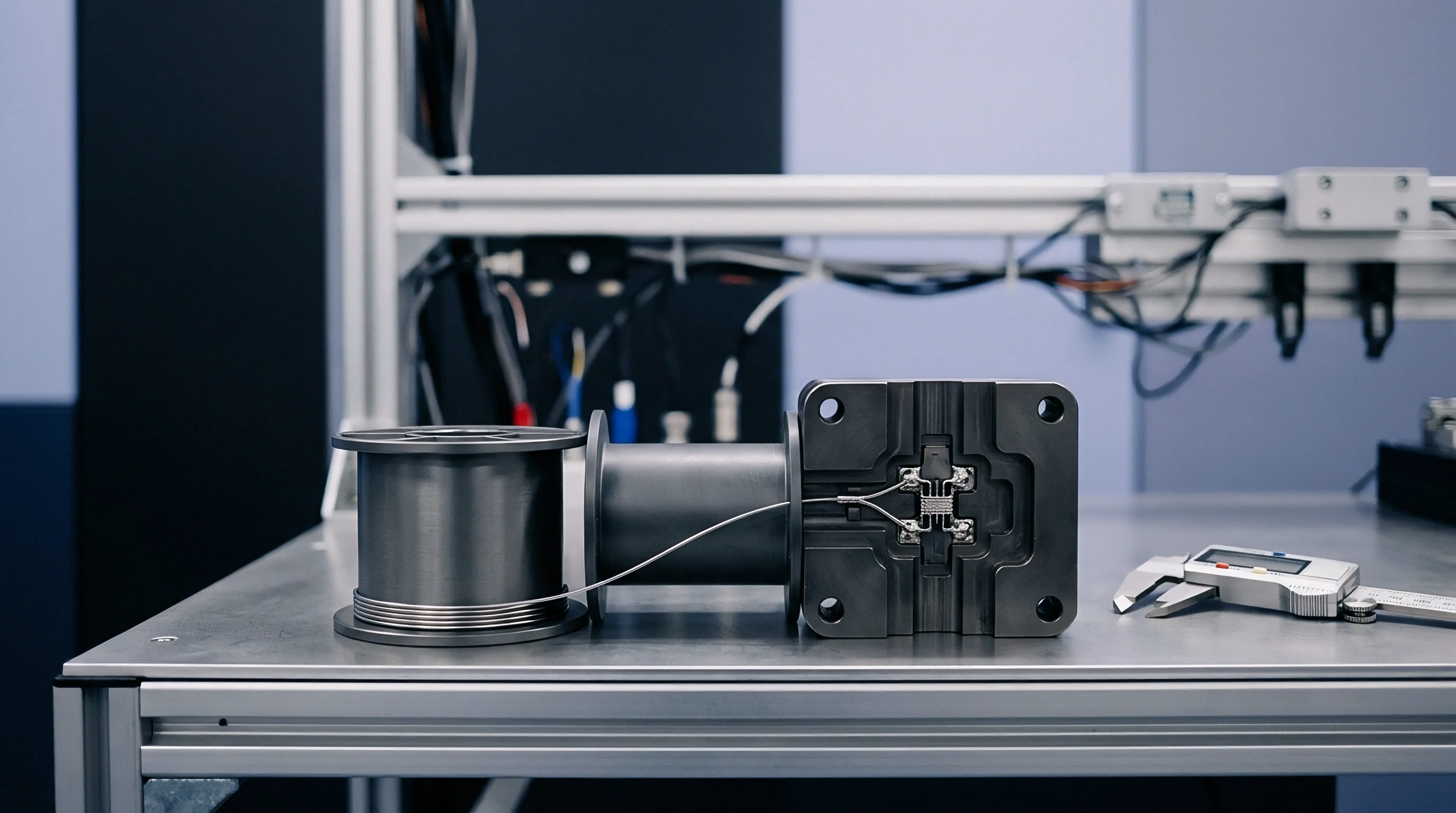
Can Secondary Tooling Shifts Trigger Mid-Run Adjustments?
Tool wear gradually alters process tolerances.
Fine-pitch printing stencils suffer aperture wear and distortion over extended runs. Electroformed nickel stencils maintain release profiles for roughly one hundred thousand squeegee passes, while basic laser-cut stainless stencils show wall pitting and rounded edges after forty thousand. As apertures wear, solder deposit volumes drift out of spec, causing bridges under chip-scale components or starved RF ground pads.
Rework labor from these defects gets passed to buyers through higher conversion rates.
- Excessive voiding beneath ground paddles forces modules into offline X-ray inspection cells, converting automated inline production into slow manual review cycles.
- Bond wire sweep during epoxy injection shorts adjacent interconnect channels, rendering entire panel quadrants unrecoverable scrap before singulation begins.
- Incomplete mold cavity filling leaves internal module silicon exposed to environmental moisture ingress, triggering immediate batch rejections during pressure cooker qualification testing.
- Substrate warpage under reflow breaks ball grid array coplanarity, generating intermittent contact opens that evade ambient testing and fail field validation.
- Carrier delamination during saw dicing exposes copper traces along perimeter cut lines, violating IPC Class 3 moisture barrier integrity standards.
Mold cavity count sets maximum encapsulation throughput.
Secondary tooling changes unit economics when production volumes fall below mass scale. Custom mold chases, pick-up nests, AOI programming, and test load boards carry non-recurring engineering charges between fifteen thousand and sixty thousand dollars per design. On a fifty thousand module pilot run, a fifty-thousand-dollar tooling package adds one full dollar to each module’s conversion cost.
Spreading that same tooling cost across a five-million-unit run drops the burden to one cent per module.
Assembly scrap generated during downstream singulation discards all cumulative machine expenditures accrued across prior surface mount and packaging stages.
Solder balling forces additional optical inspection.
Engineering design changes during active production trigger immediate conversion costs. Swapping a passive value or altering a trace footprint invalidates pick-and-place files, stencils, and AOI inspection models. Lines sit idle while technicians update software and check feeder layouts.
Downtime costs upward of one hundred dollars per hour, creating disputed invoice charges that require negotiation.

Operational Allocation of Conversion Variances
Managing yield variance requires assigning financial responsibility to specific failure points. If defects trace to consigned raw materials, the buyer absorbs the lost conversion cost along with the ruined silicon. When feeder misalignments, incorrect reflow profiles, or operator errors cause scrap, the manufacturing partner absorbs the wasted line time and provides replacement capacity.
- Consigned silicon wafer microcracks that propagate during thermosonic die pick-and-place remain financial liabilities of the component buyer.
- Reflow thermal profile excursions causing solder de-wetting on moisture-sensitive laminate carriers represent direct factory process liabilities.
- Capillary tool impact fracturing of sensitive active silicon circuitry falls under plant equipment maintenance obligations.
- Moisture expansion delamination resulting from improper cleanroom dry-cabinet storage protocols remains the operational responsibility of the assembler.
Sputtered RF shielding requires high-vacuum processing.
Vague contract terms around scrap calculations cause friction during quarterly financial reconciliations. Packaging houses typically cover scrap by asking for extra material upfront ~ often three percent more passives and two percent more silicon. Disciplined buyers audit conversion invoices by matching finished serial numbers to wafer dicing maps, separating assembly losses from baseline wafer yield.
Failing to cap scrap liabilities in contracts leaves buyers paying for factory inefficiencies through higher conversion charges.

Duty
Cross-border assembly programs face landed cost adjustments from customs rules, tariffs, and statutory valuation tracking. Customs agencies in major jurisdictions view assembly conversion costs as part of dutiable value. When consigned components ship offshore for assembly, establishing the dutiable base requires separating foreign value-add costs from domestic component origin value.
Customs agencies closely audit offshore tolling accounts.
Under outward processing relief rules ~ such as US HTS 9802 and EU outward processing programs ~ products assembled abroad from domestic parts pay duties only on foreign value added. This foreign conversion cost includes local assembly labor, overhead, factory margin, and non-originating parts added during production. Without certified factory cost accounting to document these expenses, outward processing relief is denied, exposing the full landed value of the module to standard chapter 85 tariffs.
Reconciliation of Foreign Added Value
Customs audits require strict alignment between foreign factory conversion invoices and import entry forms. Value-add figures must reflect exchange rates in effect on the bill of lading export date. Exchange rate shifts between the US dollar and local currencies directly alter real conversion costs over multi-quarter contracts.
| Cost Component | Statutory Customs Treatment | Documentation Requirement | Duty Exposure Mechanism |
|---|---|---|---|
| Foreign Direct Assembly Labor | Dutiable added value | Certified plant payroll records | Ad valorem tariff rate on labor sum |
| Machinery Depreciation Charges | Dutiable processing cost | Plant asset amortization logs | Included in base conversion value |
| Domestic Consigned Integrated Circuits | Exempt from processing duty | Export declaration and origin docs | Full duty if origin proof fails |
| Foreign Solder and Mold Resin | Dutiable foreign materials | Commercial purchase invoices | Standard materials classification tariff |
| Non-Recurring Tooling Assistance | Dutiable indirect assist | Tooling purchase orders and NRE bills | Amortized across declared shipment units |
Engineering assists are a frequently overlooked duty exposure in international audits. When buyers provide proprietary test fixtures, custom algorithms, calibration vectors, or on-site engineering support to optimize lines, customs authorities classify them as assists. The fair value of these assists must be declared and added to foreign conversion costs, raising the overall dutiable value.
Transfer pricing between corporate entities running offshore plants adds another layer of accounting complexity. Intercompany agreements must reflect arm’s-length processing rates backed by formal benchmarking studies. If tax authorities find an offshore plant under-billed conversion fees to reduce import duties, the parent company faces retroactive duty assessments, transfer pricing adjustments, and penalties on past shipments.
Long-term duty exposure will depend on whether customs agencies classify automated test software as exempt intellectual property or as a dutiable manufacturing assist on future imports.