Meaning
Technical specifications established by industrial trade groups govern electrical testing procedures for unpopulated printed circuit boards. The IPC-9252 standard dictates requirements for detecting continuity opens and isolation shorts prior to surface mount component assembly. It governs test parameters for bare board electrical testing across test levels ranging from basic continuity checking to high-reliability military and aerospace validation.
The document scope stops at raw board fabrication and does not cover post-assembly component functional testing.
Electrical Verification
Bare board test machinery utilizes continuity thresholds to identify open circuits across fine pitch signal paths. Compliance with the IPC-9252 standard requires resistance measurements to fall below maximum allowable milliohm limits for signal traces. High-pot dielectric breakdown testing validates insulation resistance between adjacent nets.
Isolation resistance thresholds prevent latent shorts from surviving factory shipment.
Optimum Yield
Selecting test levels balances manufacturing coverage against throughput speed. Adherence to the IPC-9252 standard optimizes yield by rejecting defective bare substrates before expensive integrated circuit chips undergo reflow assembly. Defect logs categorize fault types for process control adjustment.
Grid Verification
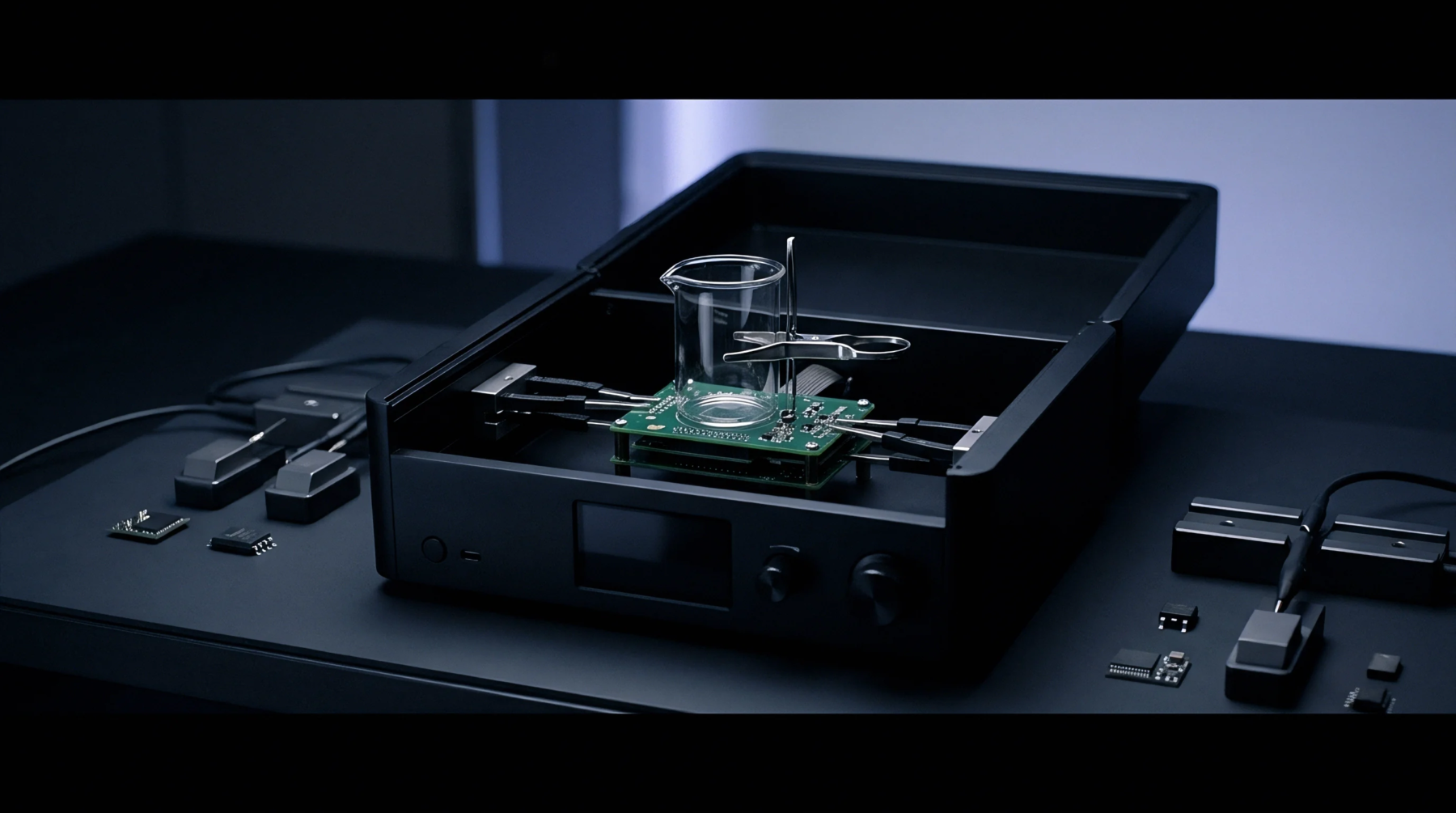
Flying probe systems and dedicated fixture bed-of-nails equipment execute test programs derived directly from computer-aided design layout data. Verification under the IPC-9252 standard mandates precise probe registration on microvia lands and high-density interconnect pads. Probe pressure adjustments prevent board surface cratering during high-speed flying probe campaigns.
Final test reports certify electrical integrity across every substrate production batch.