Meaning
Optical damage standards establish the power density limits for laser components. Testing procedures defined by iso 21254 testing involve exposing a target to controlled pulses of coherent light. These measurements determine the point at which the surface or substrate of a lens or mirror fails under stress.
Damage Detection
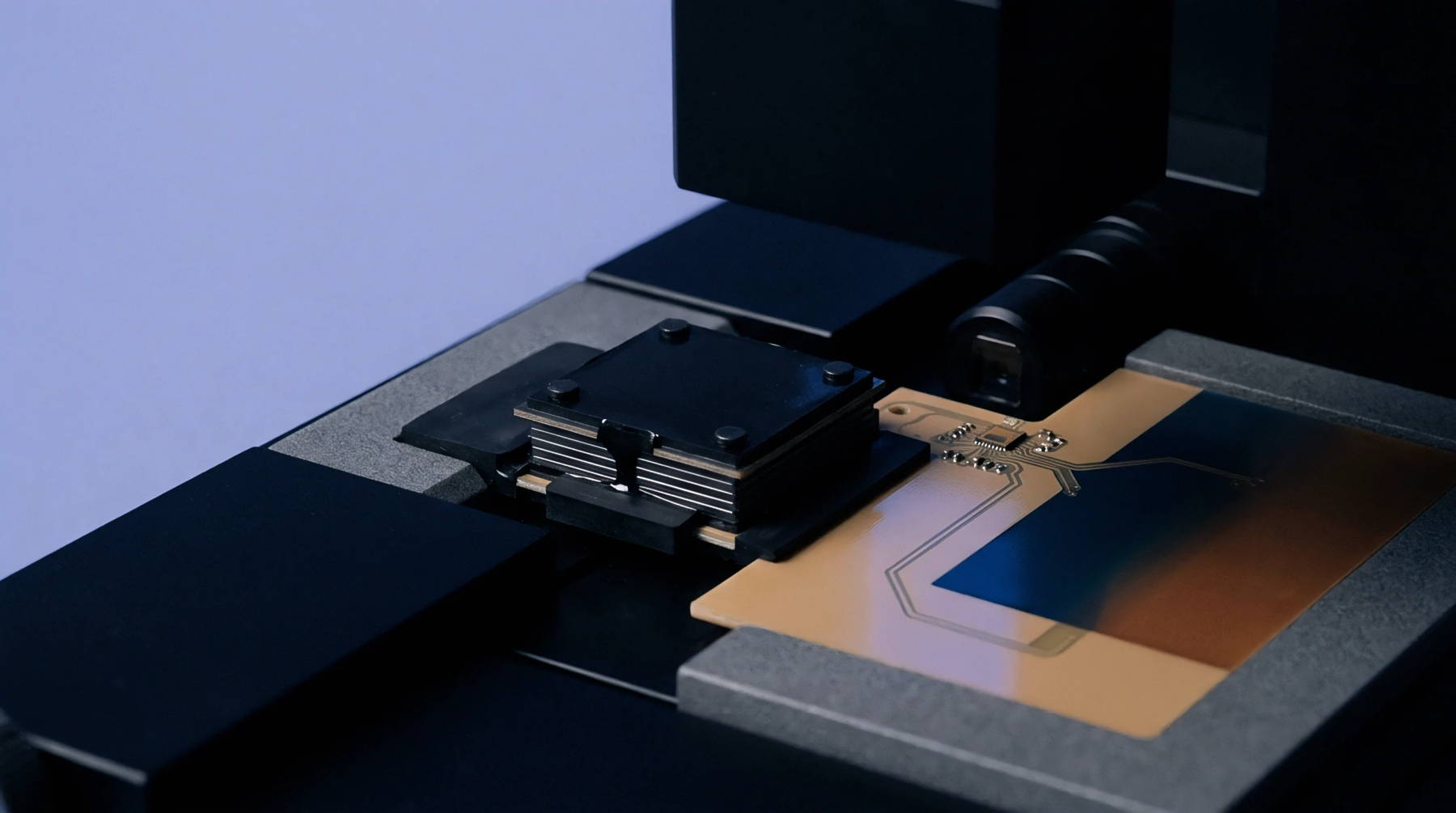
Detection of the failure point requires sensitive microscopy or scattered light monitoring. During iso 21254 testing, the technician looks for pits and melting on the coating surface. Automated systems often use camera feeds to find the exact pulse that caused the breakdown.
Laser Threshold
Calculation of the damage probability involves applying different energy levels across multiple sites on the sample. The results from iso 21254 testing provide a statistical distribution that shows the likelihood of failure at a given irradiance. Designers use this data to select coatings that can survive the peak power of a specific laser system without degrading over time.
Extensive pulse counts are required to ensure the long term stability of the component in high power applications. High energy systems rely on these thresholds to set the safe operating limits for the entire optical path.
Optical Qualification
Quality assurance teams use the results to certify that a supplier has met the procurement specification. A successful round of iso 21254 testing confirms that the thin film deposition process was consistent and free of contaminants. Verified components are then integrated into the final assembly with confidence in their durability.