Meaning
Technical specifications defined by the South Korean government establish the requirements for how multimedia equipment must resist electromagnetic disturbances. The ks c 9835 immunity standard aligns closely with international CISPR 35 guidelines to ensure that devices like televisions and computers operate reliably in the presence of radio frequency noise. It covers various types of interference including electrostatic discharge and radiated fields.
The requirements apply to the hardware level and do not govern the content of the media being transmitted.
Performance Criterion
Success in the laboratory is determined by how the device behaves during and after the application of a disturbance. Under the ks c 9835 immunity standard, a product might be allowed a temporary loss of function provided it recovers automatically without user intervention. These criteria are divided into grades that specify the acceptable level of degradation for different classes of consumer and professional electronics.
Surge Protection
Testing includes the application of high-voltage transients to power and signal lines to simulate lightning strikes or switching events on the grid. The ks c 9835 immunity standard requires that internal protection components like varistors or transient voltage suppressors prevent permanent damage to the sensitive logic circuits. Resilience in these tests is essential for products intended for use in environments with unstable electrical infrastructure.
Test Environment
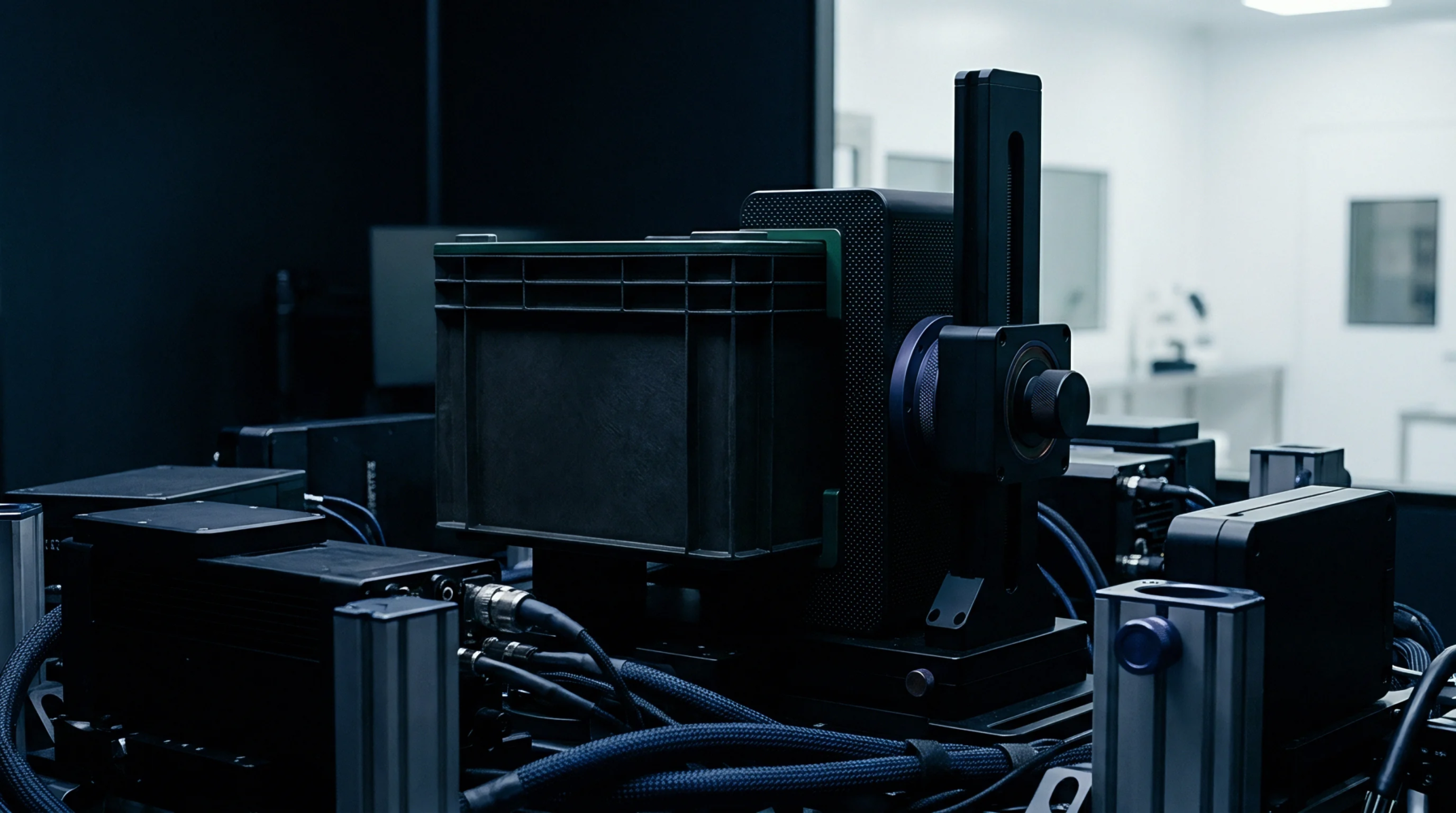
Controlled laboratory settings use specialized chambers and signal generators to recreate the interference scenarios defined in the document. Because the ks c 9835 immunity standard involves both conducted and radiated tests, the equipment must be monitored using non-conductive probes to avoid introducing new variables into the setup. Calibration of the test equipment is performed annually to maintain the integrity of the data used for the KC mark certification.
This rigor helps verify that the final product will not fail when placed near other electronic devices in a typical household.