Meaning
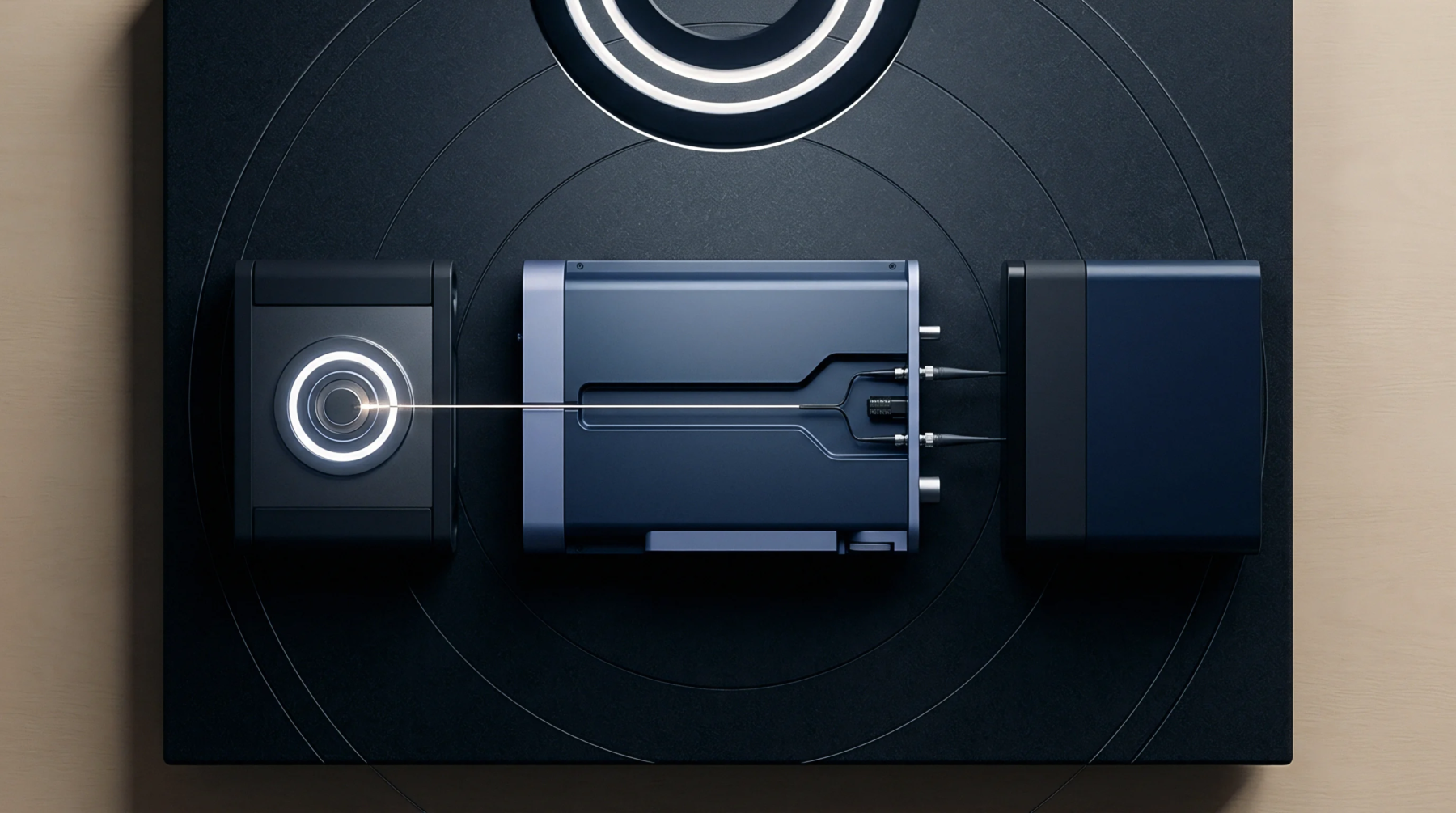
Frequency deviations induced in quartz crystal oscillators through reactive loading adjustments alter the nominal resonance frequency of reference timing circuits. Circuit designers define load capacitance pulling as the physical frequency shift that occurs when effective parallel capacitance across the crystal pins diverges from the manufacturer’s specified nominal load. The phenomenon governs oscillator frequency accuracy, baseband carrier generation, and initial radio channel alignment, stopping where synthesized frequency control loops or external active clock buffers isolate the oscillator from passive circuit variations.
Resonance Shift
Parallel resonant crystal networks balance external circuit capacitance against internal quartz motional inductance. Unintended variations in stray trace capacitance, solder mask thickness, or integrated circuit pin capacitance perturb the total load seen by the crystal terminals. Adding capacitance lowers the resonant frequency, while decreasing capacitance shifts the resonance upward.
Uncompensated deviations push the operating frequency outside the tight parts-per-million error tolerance dictated by wireless communications standards.
Layout Sensitivity
Stray electrical couplings on the printed circuit board introduce substantial pulling errors if not managed during physical design. Traces connecting the quartz package to the microcontroller or radio transceiver act as small parasitic capacitors to underlying ground planes. Variations during board manufacturing, such as dielectric layer thickness tolerances or component placement shifts, induce noticeable frequency offset variations across production batches.
Guard traces around the crystal lines and optimized component footprints prevent unwanted board coupling.
Production Verification
Manufacturing lines evaluate frequency pulling using spectrum analyzers during functional board testing. Test fixtures measure the unmodulated carrier output of the radio transceiver against a high-precision rubidium or global positioning system frequency reference. If measured carrier deviation exceeds fifteen parts per million, internal programmable capacitor arrays inside the transceiver are trimmed via non-volatile configuration bits.
This factory calibration step corrects for board-level parasitics before the enclosure is ultrasonically welded or potted. Load capacitance pulling represents a critical physical variable in maintaining compliant radio frequency spectrum masks.