Meaning
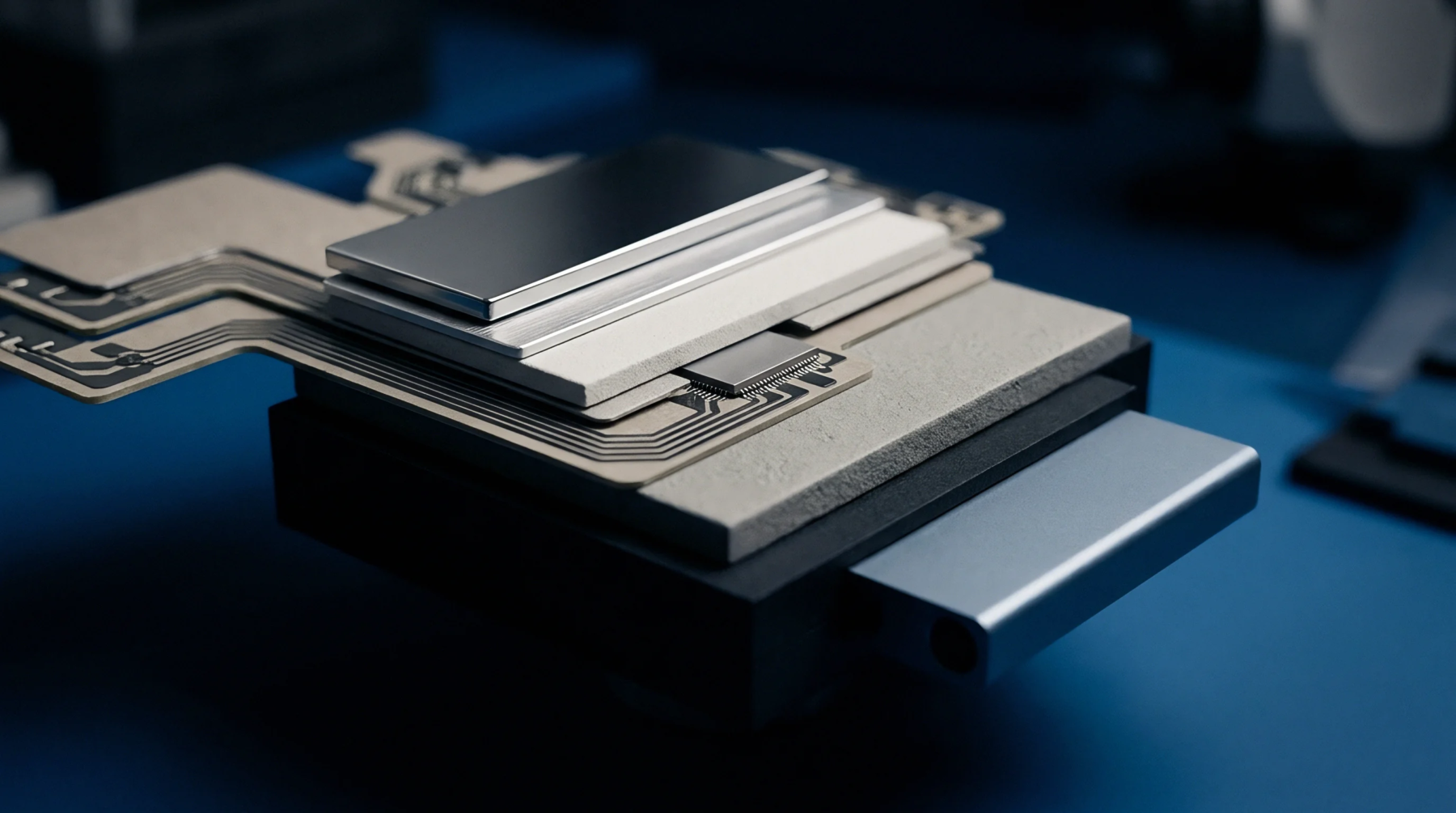
Microcontroller, sensor, and radio architectures engineered for multi-year battery operation prioritize deep sleep states, low operating currents, and microampere-range quiescent consumption. Hardware platforms classed as low-power IoT devices rely on event-driven duty cycles that keep high-drain transceivers and processing units powered down for the vast majority of deployed operating lifetimes. The category terminates at high-throughput or continuously streaming applications where transmission duty cycles and baseband processing exceed standard primary cell discharge limits.
Power Budget
Quiescent sleep current dominates lifetime drain calculations on remote sensing endpoints with duty cycles under one percent. Devices operating in this domain alternate between microampere sleep modes and brief millisecond bursts of sensor polling or wireless transmission. Battery chemistries such as lithium thionyl chloride present high internal impedance during peak transmission pulses, requiring storage capacitors to support sub-gigahertz or cellular transmission spikes without brownout.
Radio Efficiency
Wireless transceivers operating in energy-constrained architectures transmit at optimized data rates to limit power amplifier runtimes. Modern low-power IoT transceivers employ protocols such as LoRaWAN, NB-IoT, or Bluetooth Low Energy to minimize radio-on durations, trading throughput for extended transmission ranges. Radio hardware remains powered down until hardware interrupts from internal timers or external accelerometer thresholds wake the baseband core.
Field Qualification
Qualification laboratories assess lifetime longevity by logging dynamic current profiles across complete transmit, receive, sleep, and peripheral acquisition loops using precision source measurement units. System-level testing verifies that sleep leakage currents through pull-up resistors, external flash chips, and sensor interfaces remain within theoretical design limits. Handover acceptance reports must confirm that the total projected energy consumption satisfies the multi-year warranty commitment given battery passivation effects.