Meaning
Structural fastening techniques secure printed circuit boards and battery cell packs within protective device enclosures to prevent relative movement during impact. The mechanical lock-down process establishes physical constraints that preserve electrical contact integrity and structural alignment under mechanical shock loading. It sets preload forces on fasteners, housing latches, and internal support frames inside wireless sensor products.
The scope of this physical locking mechanism ends at physical interface retention, while thermal expansion stress management and seal waterproofing belong to gasket design and enclosure compliance specifications.
Fastener Torque
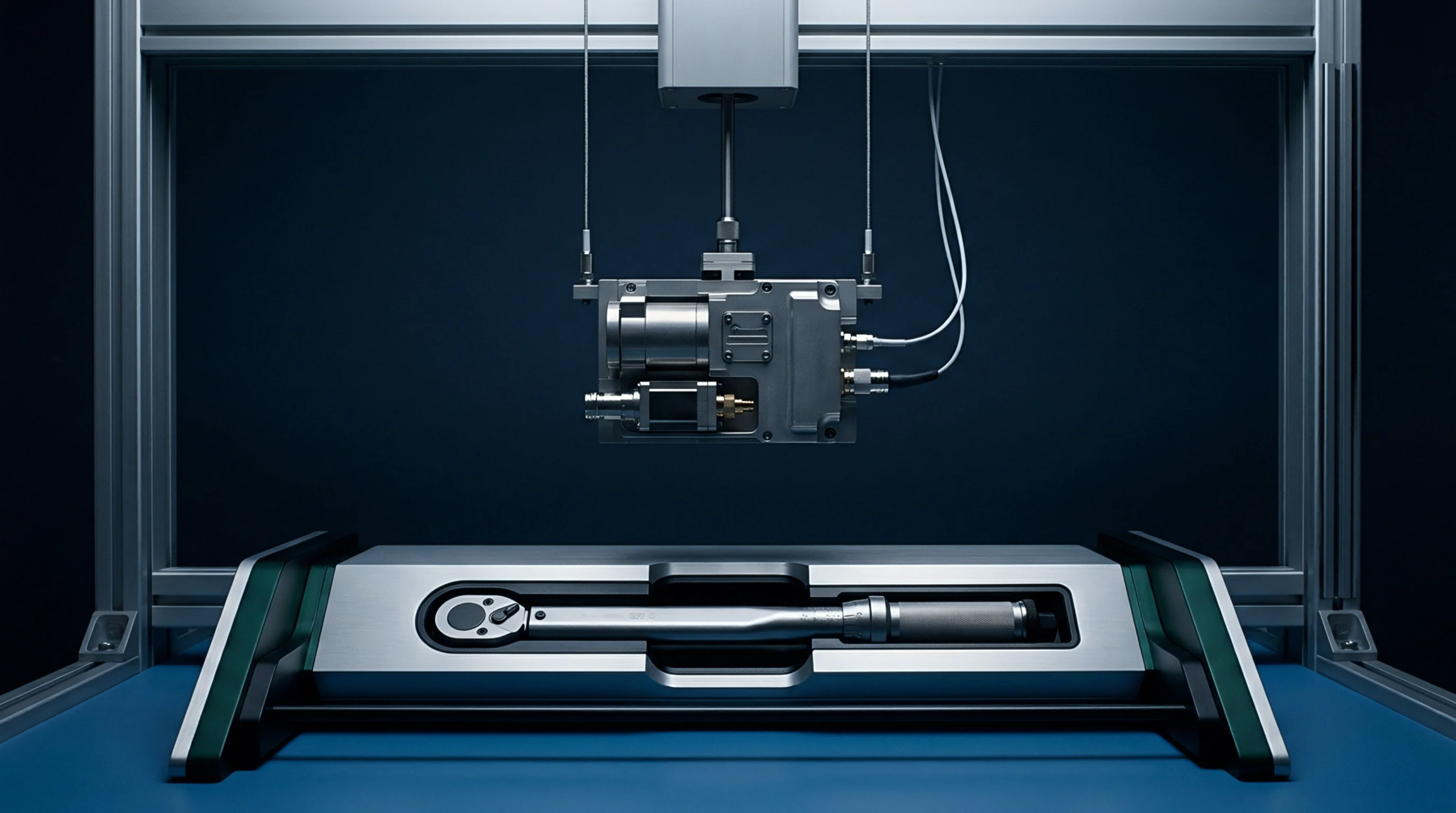
Assembly verification routines measure torque retention on structural screws to prevent vibration-induced loosening in ruggedized tracking hardware. Technicians enforce mechanical lock-down by applying calibrated torque limits and thread-locking adhesives during housing assembly. Inadequate clamping force allows printed circuit boards to shift within internal housing channels under vibration.
Excessive fastener torque deforms plastic housing bosses and cracks adjacent trace routing.
Vibration Immunity
Accelerated life testing subjecting hardware assemblies to multi-axis random vibration identifies physical mounting weaknesses prior to mass production. Controlled stress testing validates mechanical lock-down under simulated field transport conditions.
Production Acceptance
Manufacturing Quality Control checklists require documented torque checks and visual gap inspections before sealing final product enclosures. Final assembly sign-off records confirm that mechanical lock-down meets structural engineering specifications for internal module retention. Handover documents capture fastener torque logs and dimensional tolerance measurements from the assembly line.
Quality audits reject completed smart device enclosures that display loose internal components or uneven housing gaps.