Meaning
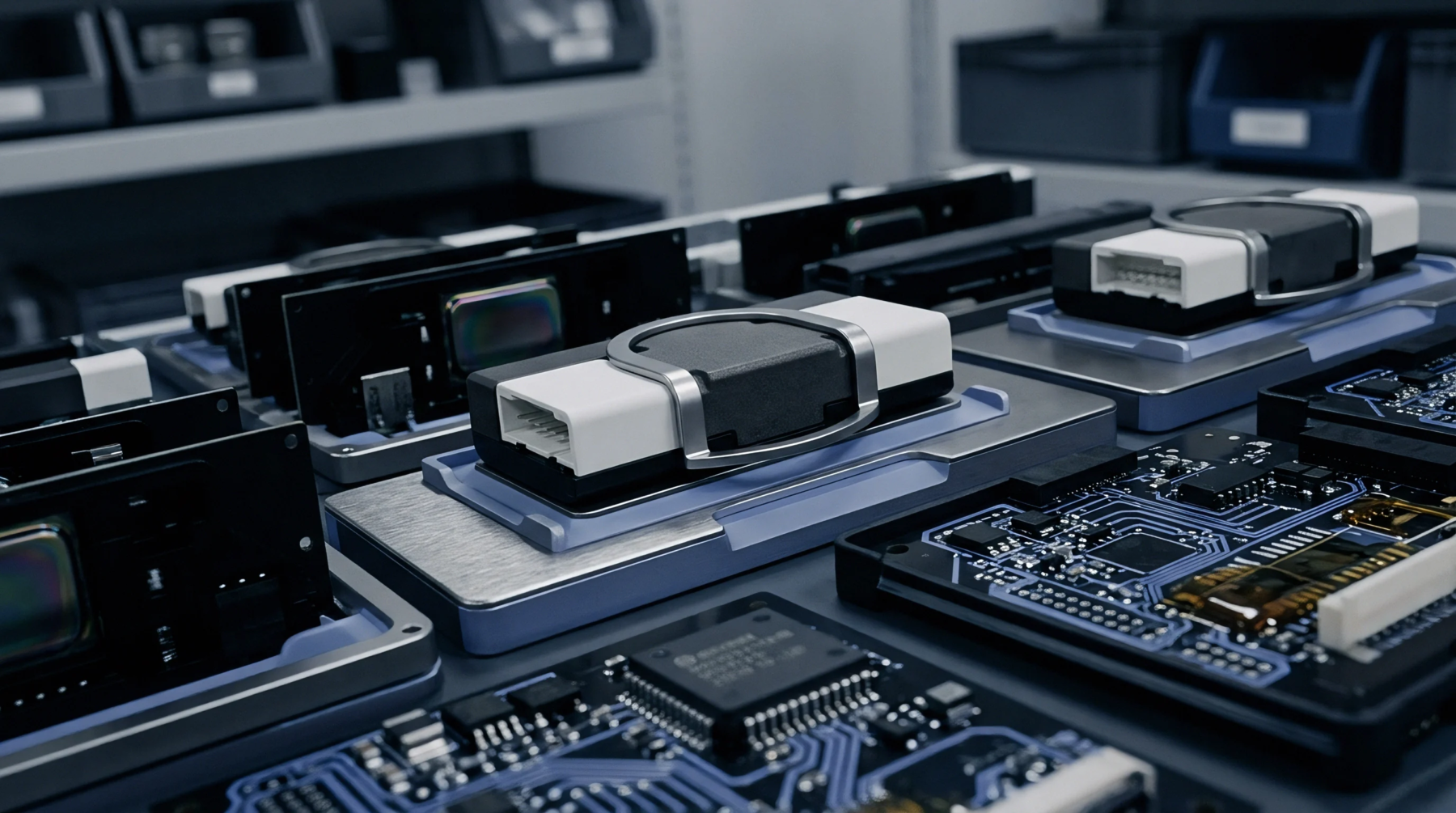
Ultra-low loss laminate material forms the substrate standard for high-frequency multilayer printed circuit boards operating within multi-gigahertz radio frequency modules and radar antennas. Megtron 7 specifically governs dielectric constant stability and dissipation factor performance across temperatures exceeding typical commercial thresholds during high-speed signal propagation. The material boundary sits where thermal expansion mismatches between copper foil and the resin matrix compromise plated through hole reliability during aggressive thermal shock testing.
Thermal Budget
Higher glass transition temperatures dictate how long internal signal layers survive lead-free solder reflow profiles without resin degradation. Processing windows require precise temperature ramps because excessive dwell times destroy the bond strength between glass fabric and modified polyphenylene ether resin. Production engineers balance curing parameters against copper peel strength targets to prevent delamination during subsequent milling operations.
Interface Precision
Controlled impedance routing depends on resin content uniformity across adjacent laminate plies. Dielectric thickness tolerances dictate insertion loss metrics inside millimeter wave transceiver housings. Surface roughness profiles govern skin effect attenuation at higher frequencies where conductor losses exceed dielectric dissipation.
Qualification Protocol
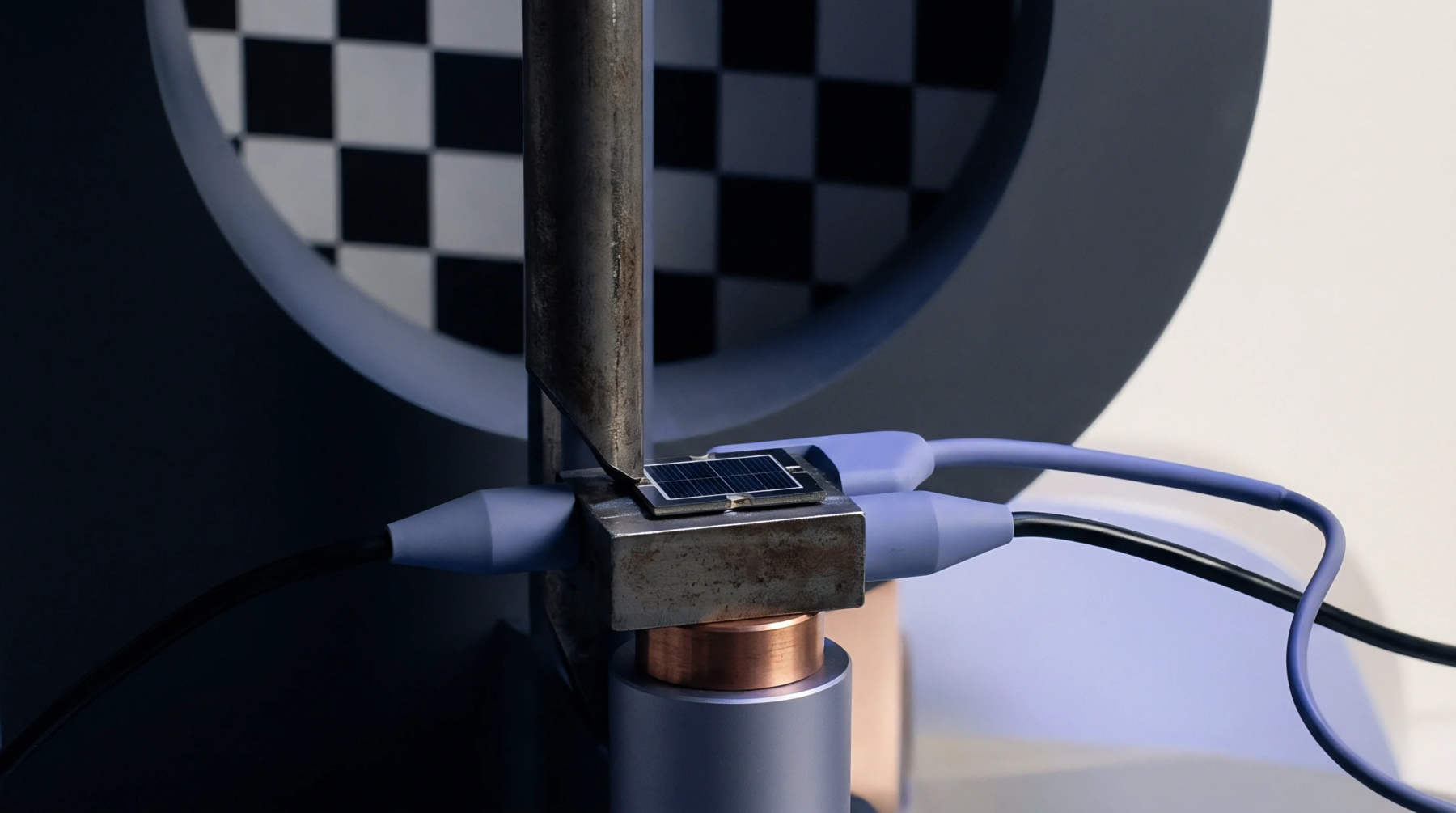
Component manufacturers verify material compliance through rigorous IPC test methods measuring moisture absorption and thermal stress endurance. Buyers validate bare board reliability by subjecting coupon samples to interconnected stress testing until failure occurs. Final sign-off requires documented evidence confirming electrical performance remains within specified parameters throughout extended operational lifecycles.