Polymer Degradation Mechanics in Glass-Filled Injection Tooling Cavities
Glass fiber erosion and shear scission alter gate dimensions and matrix integrity, requiring modular PM steel inserts and strict vent land depth maintenance.
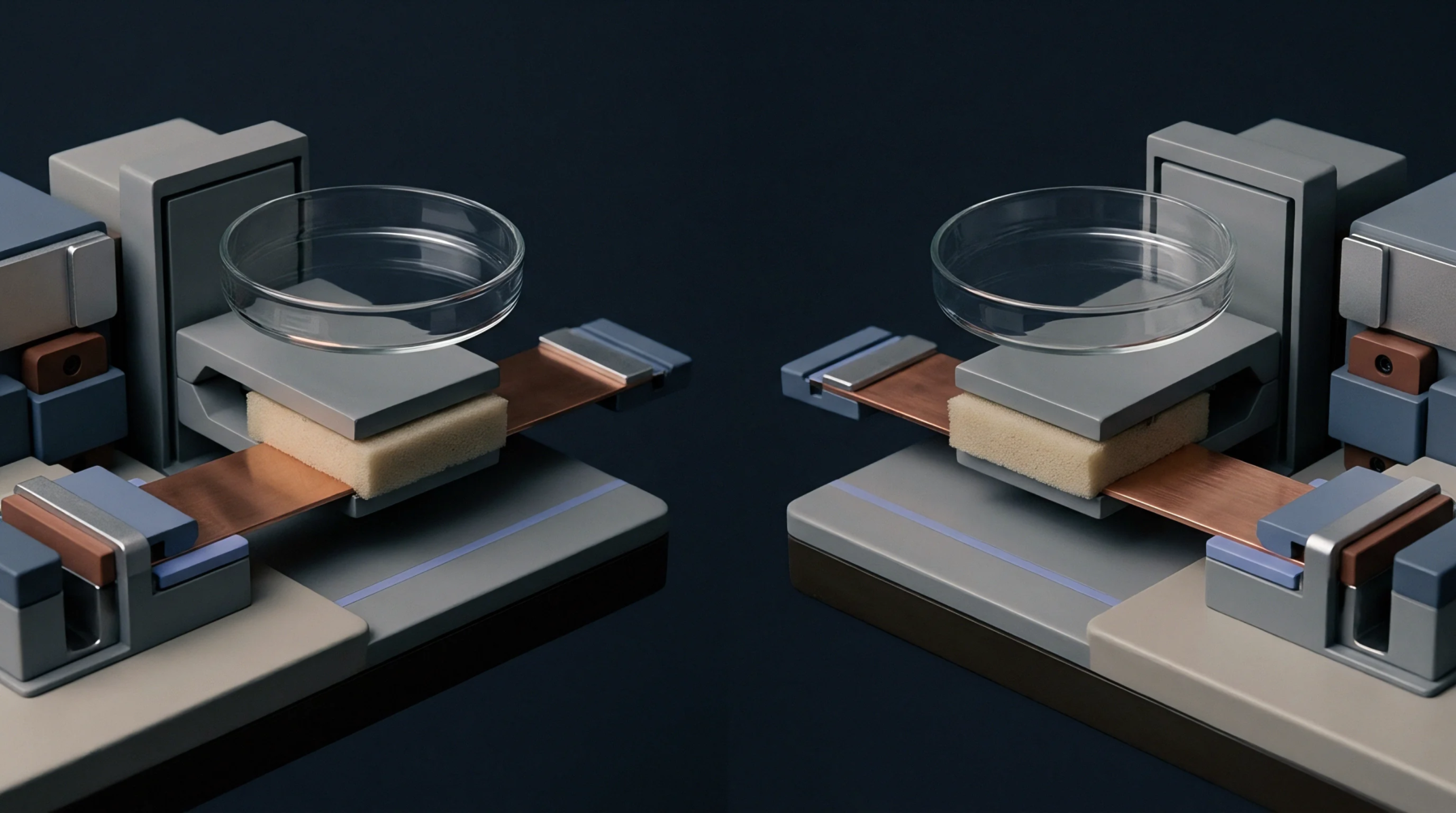
An injection molding component serves to establish specific geometric features within a cast plastic part by occupying designated zones of the tool set before resin flow. A modular cavity insert provides an adaptive method for modifying product dimensions without replacing the entire mold base. Engineers utilize these blocks to adjust wall thicknesses or internal geometries while maintaining the integrity of the primary housing.
Each unit attaches to the mold frame via precision mounting hardware that ensures alignment during high pressure cycles. Thermal conductivity remains a priority during selection since the material chosen for the block dictates the cooling rate of the surrounding plastic. Boundary conditions for these tools include the requirement for precise clearance tolerances that prevent flash formation at the parting line.
Operators replace individual blocks when product design revisions demand alteration of the molded shape. Precise seating surfaces allow for repeated removal and reinstallation without loss of dimensional accuracy.
Heat management across the mold interface depends heavily on how the modular cavity insert conducts energy away from the cooling channels. Steel alloys often provide the mechanical strength required for millions of cycles, though copper beryllium serves applications needing rapid thermal extraction. Fluid flow channels located behind the interface move heat from the cavity surface toward the heat exchanger.
Designers calculate the temperature gradient across the contact patch to prevent warping or localized internal stress within the plastic piece. Thermal expansion coefficients must match the primary mold base to avoid binding during operation. High heat flux zones necessitate specific alloy selection to maintain cycle times.
Stable temperatures at the interface prevent degradation of the resin properties.
Mechanical fit between the frame and the modular cavity insert governs the long term reliability of the injection tooling assembly. Interference fits or specialized locking pins secure the block against the massive hydraulic forces exerted during the filling stage. Tight tolerance control prevents the insert from shifting under load, which would otherwise result in mismatch defects on the final product.
Surface finish requirements inside the cavity reflect onto the plastic part, so suppliers apply specific hardening processes to resist abrasive wear from glass filled resins. Fatigue resistance dictates the operational lifespan of the mountings. Frequent thermal cycling eventually creates fatigue cracks if the geometry ignores stress concentration factors.
Durable construction ensures that the tooling maintains precision over the entire production run.
Validation of the modular cavity insert occurs through a structured test sequence that confirms part dimensions before full scale manufacturing commences. Quality teams measure the fit within the housing and verify that the locking mechanism holds against maximum clamping pressure. Dimensional inspection of the first articles proves that the removable segment sits flush with adjacent mold surfaces.
Calibration logs document the wear characteristics observed after standardized test cycles. Successful integration depends on the documented clearance values and the documented hardness of the block face. Each tool earns approval once the measured output conforms to the master digital model.
Assembly certification serves as the final barrier against production defects.
Glass fiber erosion and shear scission alter gate dimensions and matrix integrity, requiring modular PM steel inserts and strict vent land depth maintenance.
Expertise is a utility, not a secret. sentiention™ publishes its working knowledge as open reference: intelligence layer covering the materials it sources, the markets it enters, and the reference that serves both.