Meaning
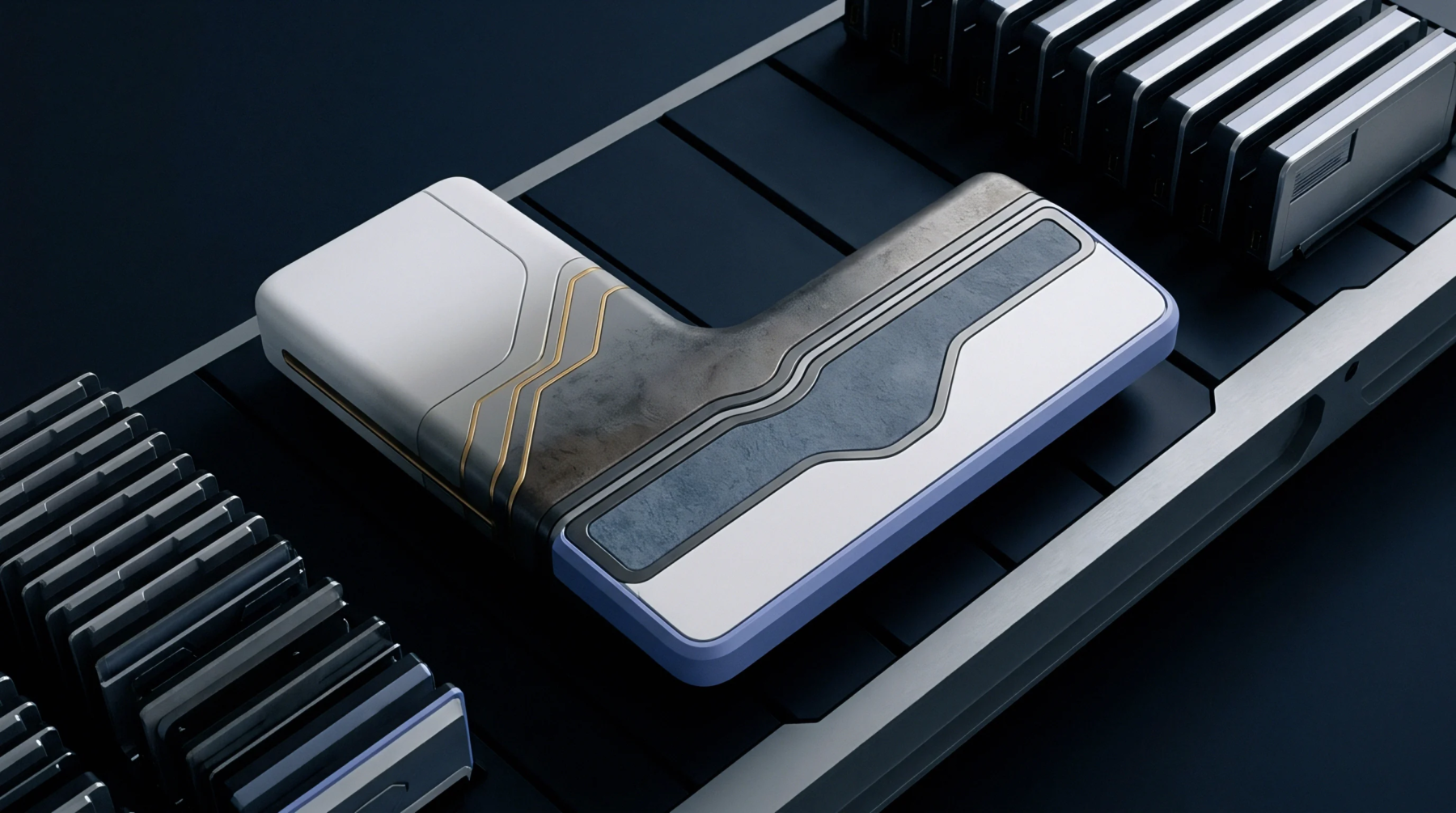
Interchangeable segments of a mold assembly form the primary shape of a part and allow for rapid configuration changes. Manufacturers use modular cavity inserts to produce different versions of a device housing without building a completely new mold base. This approach supports a product family where the external dimensions remain constant but internal features such as mounting bosses vary.
Mechanical Fit
Precision alignment between the insert and the pocket prevents the formation of flash at the parting line. These modular cavity inserts rely on tight tolerances and robust clamping systems to maintain position under high injection pressures. They often include integrated cooling channels to ensure consistent thermal management across different configurations.
Cost Efficiency
Reducing the initial investment in tooling makes it possible to test multiple enclosure designs for a single radio module. Because only the insert requires machining for a new revision, lead times for design iterations decrease. This strategy enables a fast response to changes in component sizing or connector placement.
It minimizes the total volume of tool steel required for a complex product lineup.
Maintenance Routine
Scheduled removal of the inserts allows for thorough cleaning of the cooling lines and inspection of the mating surfaces. Wear on the modular cavity inserts usually appears at the edges where the pressure is highest. Regular replacement of seals prevents water leaks into the molding area.