Meaning
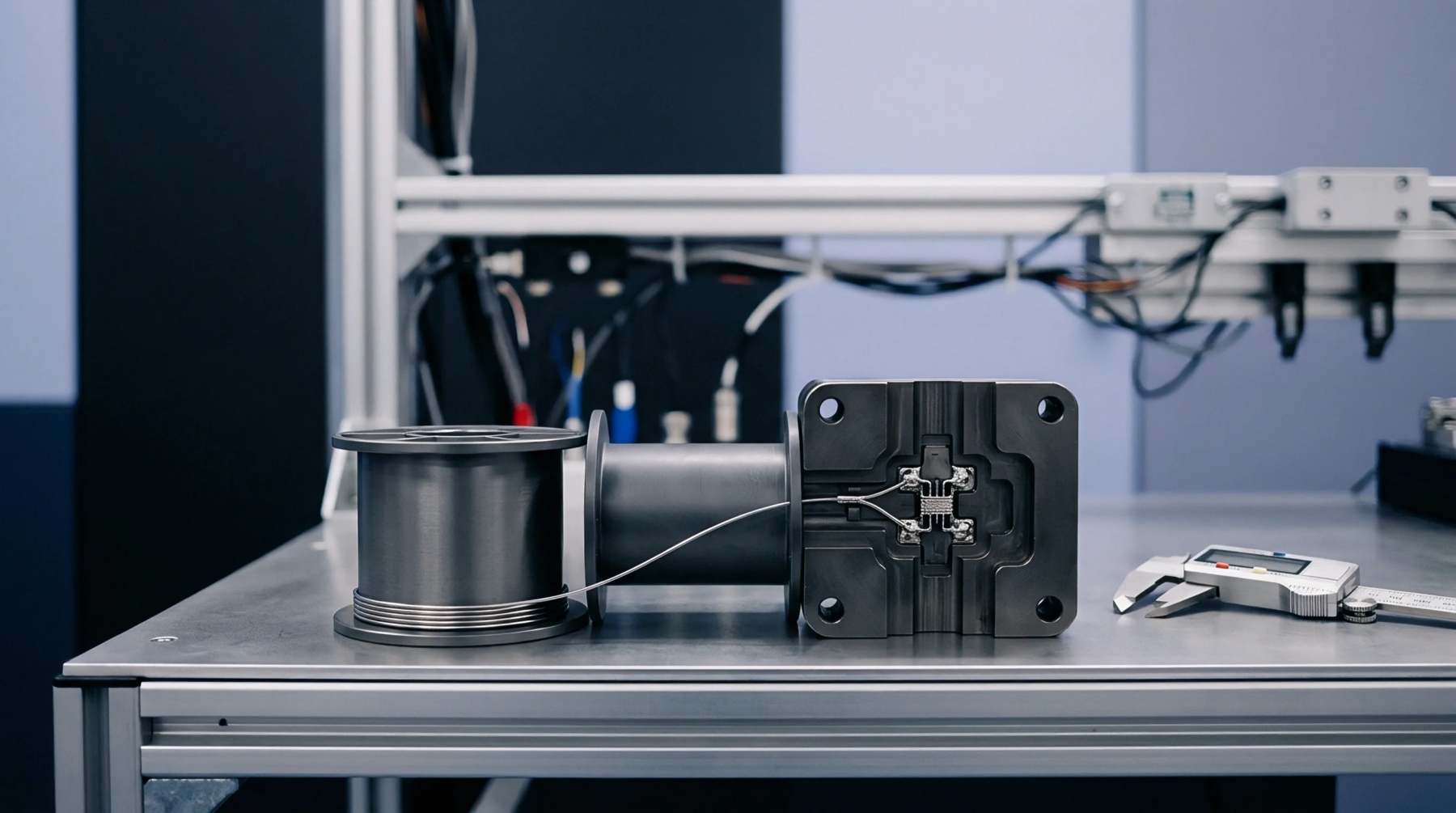
High-volume manufacturing tooling determines the efficiency and consistency of plastic enclosure production for electronic assemblies. Using multi cavity mold inserts allows a single injection molding cycle to produce several identical plastic parts simultaneously. This tooling strategy increases throughput while lowering the per-unit cost of device housings.
Hardware developers select these inserts to rapidly scale up production of smart sensor housings once the electronic design has passed certification.
Tool Design
Each insert is engineered with precise channels that distribute molten plastic evenly to all cavities. If the flow is unbalanced, some cavities may fill incompletely, resulting in structural defects or variations in the wall thickness of the wireless module casing. Precision CNC machining and electrical discharge texturing ensure that the multi cavity mold inserts yield identical surface finishes across all manufactured units.
This uniformity is critical for maintaining the professional appearance and the IP-rated sealing of the assembled product.
Production Maintenance
Regular inspection of these inserts is necessary to prevent flash defects caused by wear on the parting line. Over time, the high pressures of injection molding can cause slight misalignment of the insert plates. Maintenance schedules typically include surface cleaning and dimensional verification after a set number of molding cycles to preserve housing quality.
Thermal Balance
Proper cooling of the tooling is necessary to maintain consistent cycle times and prevent warped parts. Water channels running through the mold housing must be positioned to cool each cavity at the same rate. This careful thermal management ensures that the plastic enclosures release smoothly from the inserts without warping.