Meaning
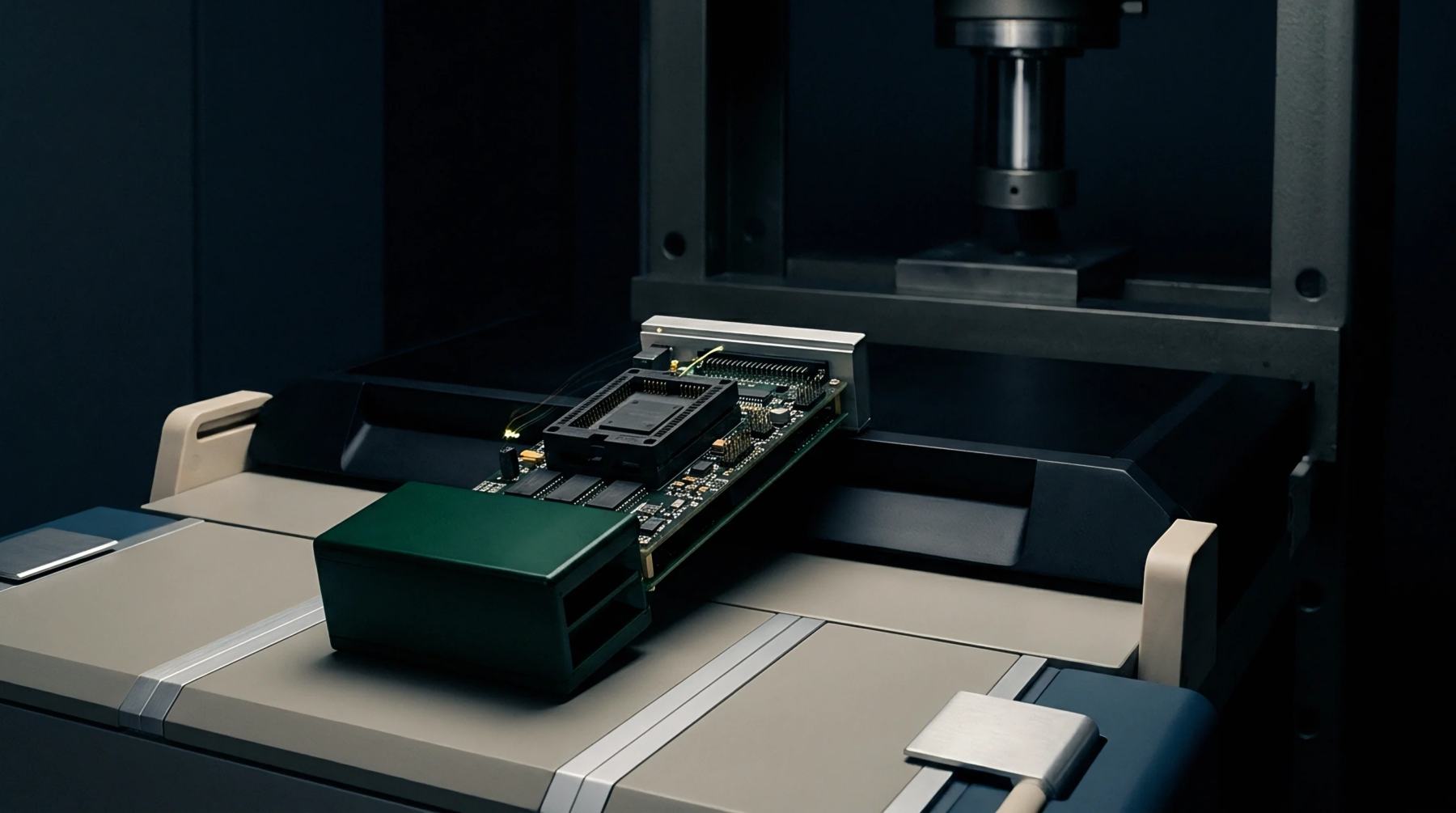
Automated assembly equipment utilizing multiple placement tools simultaneously installs electrical components onto printed circuit boards. Executing multi-head insertion increases production throughput when assembling complex boards with high component counts. Parallel processing reduces total machine cycle time compared to single-head placement systems.
Gantry Architecture
Multiple independent tooling heads mount on a shared gantry structure driven by linear motors. Integrated vision systems inspect components on each tool tip prior to placement. Implementing multi-head insertion requires complex motion control algorithms to coordinate head movement and prevent physical collisions.
Throughput Efficiency
Simultaneous component picking from parallel feeder banks maximizes machine utilization. Insertion sequences optimize gantry movement paths to minimize travel distance across the circuit board. High-volume manufacturing lines leverage multi-head insertion to meet stringent board per hour targets without compromising placement precision.
Balanced tool loading ensures equal wear across individual insertion spindles. Automated nozzle changers allow rapid reconfiguration for varying board assemblies without operator intervention.
Tooling Coordination
Individual force sensors on each tool head monitor pin insertion forces independently. Defective parts or jammed pins trigger single-head retries while other heads complete their assembly tasks. Factory execution systems track multi-head insertion performance metrics to schedule preventive maintenance on individual spindle assemblies.