Meaning
Financial method distributes the one-time development and tooling costs of a new product across a specific number of production units. The non-recurring engineering amortization allows hardware companies to pay for custom injection molds or circuit test fixtures through an added charge on each manufactured device. This pricing model applies to custom-tooled products and ends when the agreed volume threshold is met.
Capital Recovery
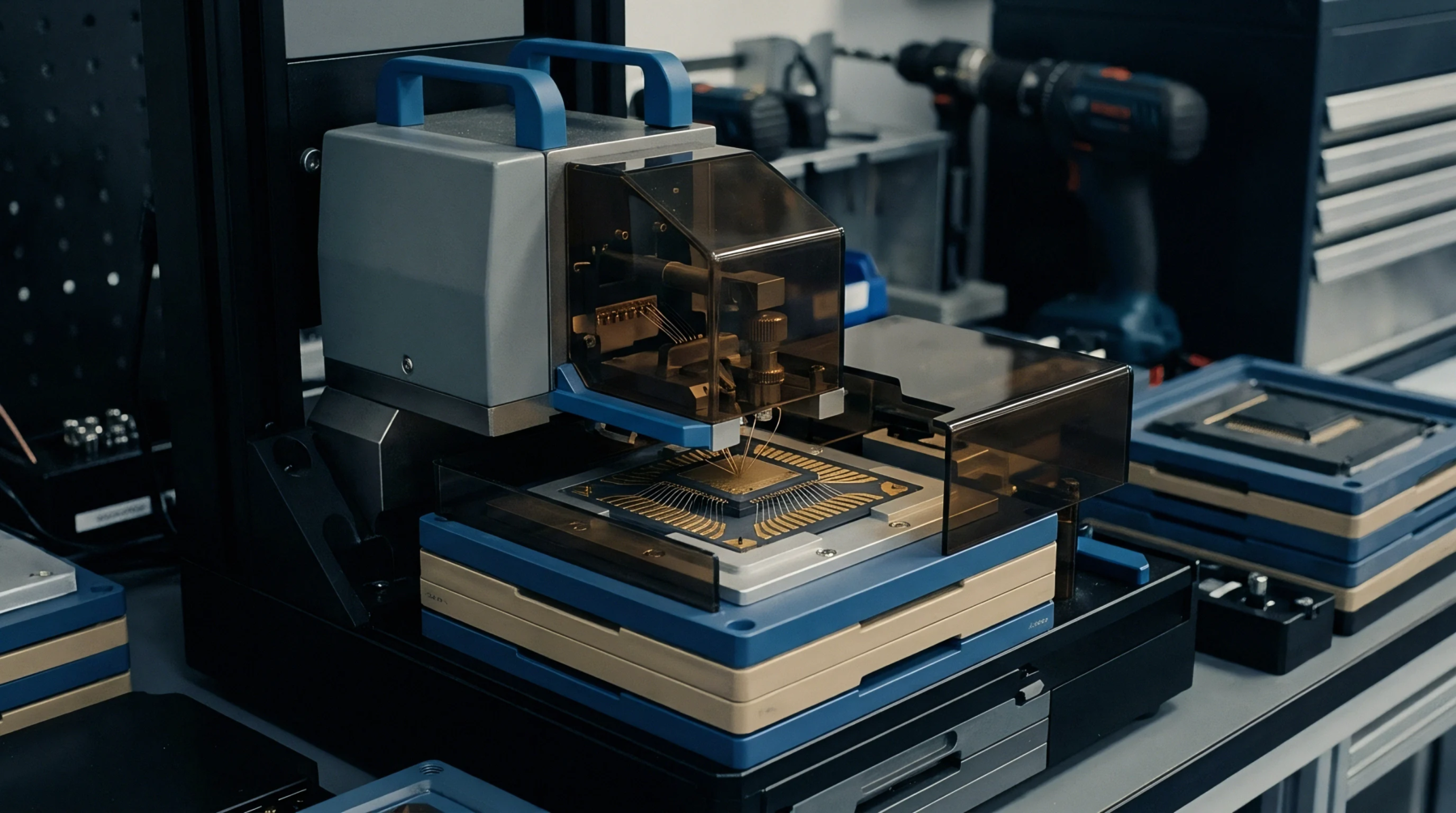
Tooling costs for electronic enclosures can reach tens of thousands of dollars before a single part is shipped. By choosing non-recurring engineering amortization, the buyer avoids a large upfront cash payment, conserving working capital for product marketing. This setup means the supplier finances the initial tool construction, recovering their cost slowly as units are produced.
Cost Accounting
Accounting teams track the remaining tooling balance by monitoring the cumulative shipments of the finished product. The non-recurring engineering amortization rate is deducted from the unit price once the specified run quantity is achieved. If the product is cancelled early, the buyer must pay the remaining balance of the unpaid tooling costs.
Supplier Negotiation
Sourcing professionals negotiate the amortization terms during the early phase of supplier qualification. They set a realistic volume target that matches the expected product lifecycle to prevent prolonged pricing penalties. This strategic balance ensures that the per-unit cost drops at the right time, allowing for higher profit margins during the mature phase of the product.
When negotiating these agreements, both parties must agree on the interest rate applied to the financed tooling amount to avoid hidden cost increases.