Meaning
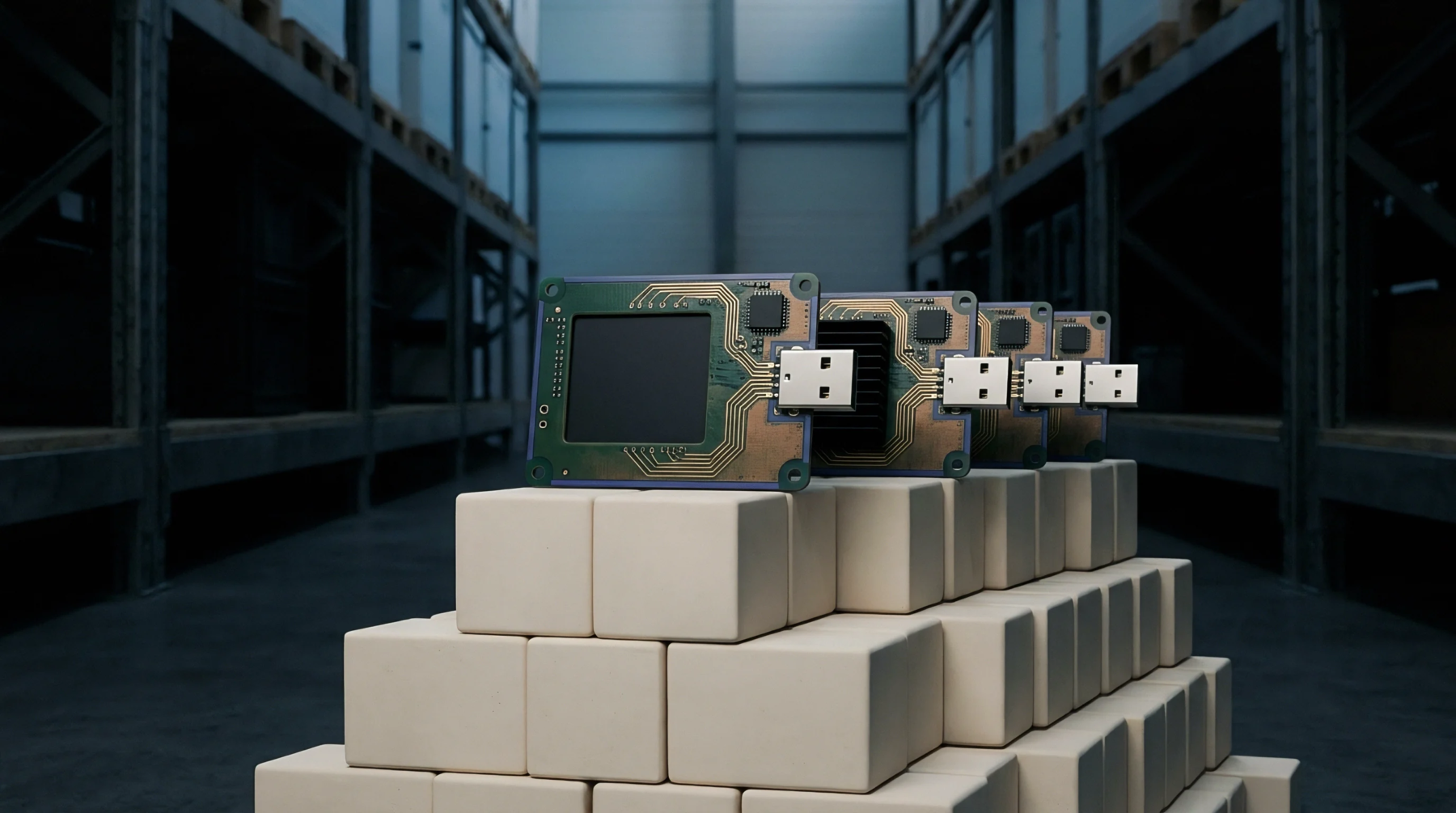
Legal doctrines that terminate a patentee’s right to control the use or sale of an individual patented item after its first authorized sale prevent double recovery. The concept of patent exhaustion applies automatically when a licensed component is purchased. This rule ensures that buyers can integrate chips into larger systems without fearing infringement lawsuits from the original semiconductor supplier.
Authorized Sale
Downstream transactions are protected from claims once the patent holder receives their initial royalty. Through patent exhaustion, the first sale of a microprocessor transfers all ownership rights for that specific physical unit to the purchaser. This legal boundary prevents sellers from dictating how the product is distributed or used in subsequent products.
Sourcing departments rely on this protection to guarantee their supply lines are free from legal encumbrances.
Downstream Limitation
Contractual restrictions added to the purchase agreement do not override the statutory termination of patent rights. Patent exhaustion operates as a matter of law rather than contract, meaning subsequent buyers are shielded regardless of licensing terms. Patent holders cannot sue end users for using the purchased chip in its intended manner.
This protection extends across international borders under modern trade agreements.
Component Integration
System builders use these protections to design assemblies using off-the-shelf parts. This doctrine ensures that the integration of subcomponents remains legally safe.