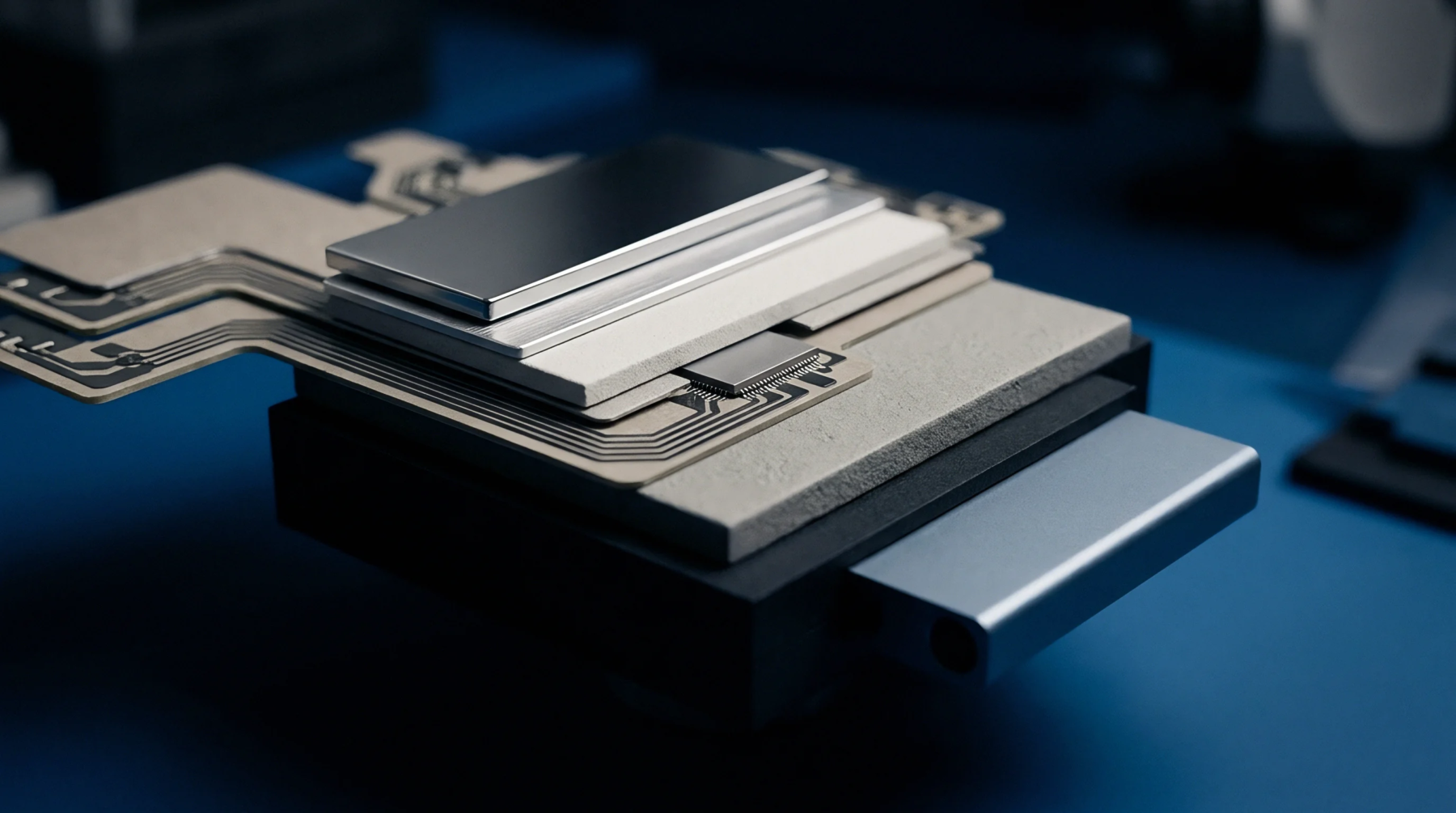
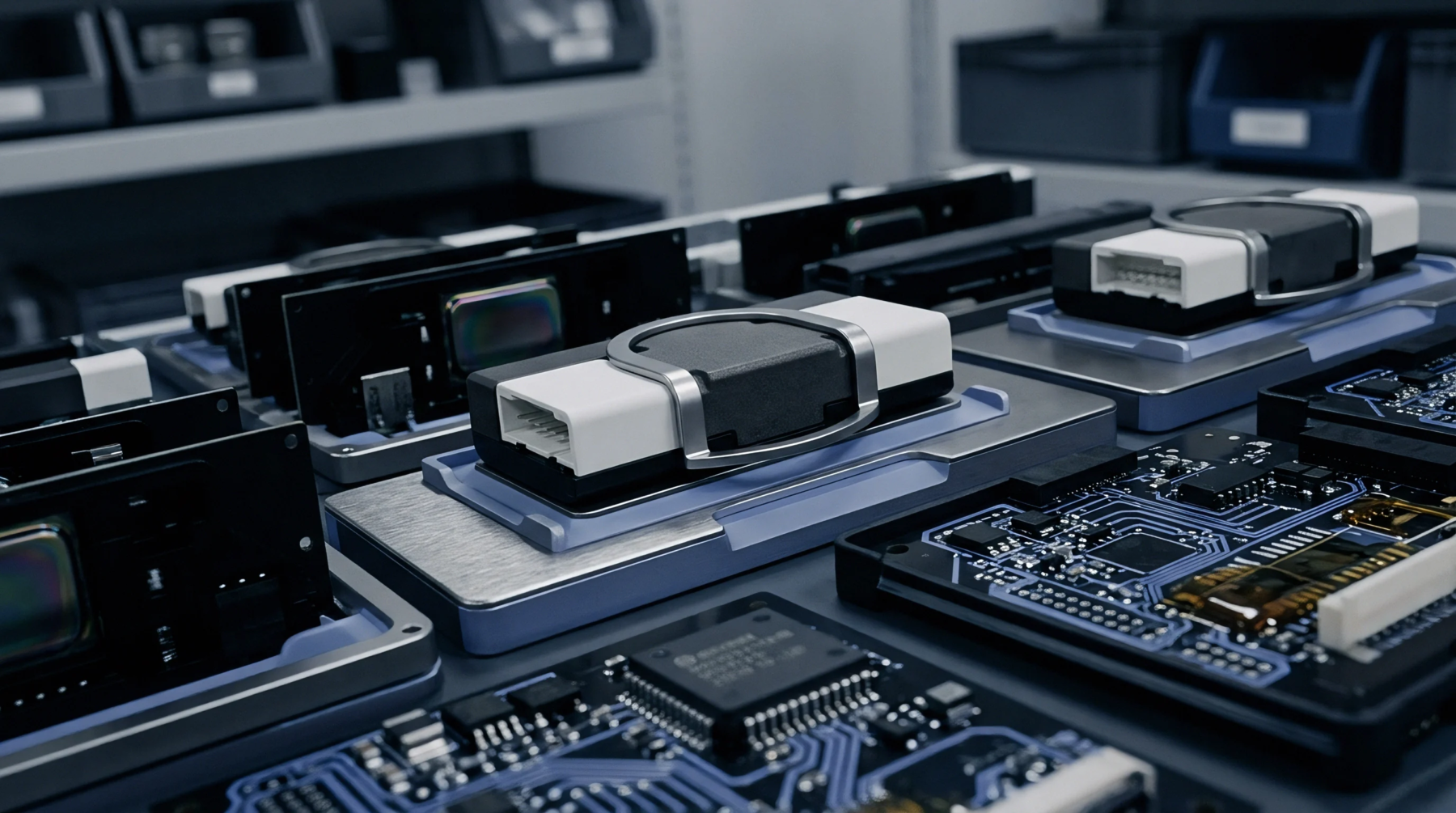
Meaning
Time difference between two signals that should ideally arrive at their destination simultaneously. Phase skew occurs when there is an imbalance in the electrical length or the propagation speed between conductors in a differential pair. This misalignment leads to common-mode noise and reduced timing margins in high-speed digital interfaces.
Precise control of the physical layout and material properties is required to keep this difference within specified limits.
Fiber Influence
Woven reinforcement within the substrate creates periodic variations in the local dielectric environment. A signal trace traveling over a glass bundle moves slower than a trace traveling over a resin-rich area, leading to phase skew in differential pairs. This phenomenon is often mitigated by using mechanically spread glass or rotating the layout relative to the weave.
Material choices must be specified during the design phase to prevent random timing failures in production units.
Layout Constraint
Trace length matching is the primary method used to synchronize signal arrival in complex board designs. Length tuning structures compensate for the geometric differences introduced by routing around components or through vias, but they cannot fix phase skew caused by material inhomogeneities. These structures must be placed near the source of the mismatch to be most effective.
Incorrect placement of compensation loops can introduce additional reflections and impedance discontinuities. Detailed simulation of the entire signal path is necessary to identify the specific locations where timing compensation will yield the best results.
Measurement Protocol
Verification of timing alignment is performed using a vector network analyzer or a high-bandwidth oscilloscope. The resulting phase skew is quantified in picoseconds or as a phase angle at a specific frequency. Standard test coupons on the panel border allow the manufacturer to verify that the etch process and material selection meet the design requirements.
High-quality connectors and cables are necessary during testing to avoid introducing external errors into the data.