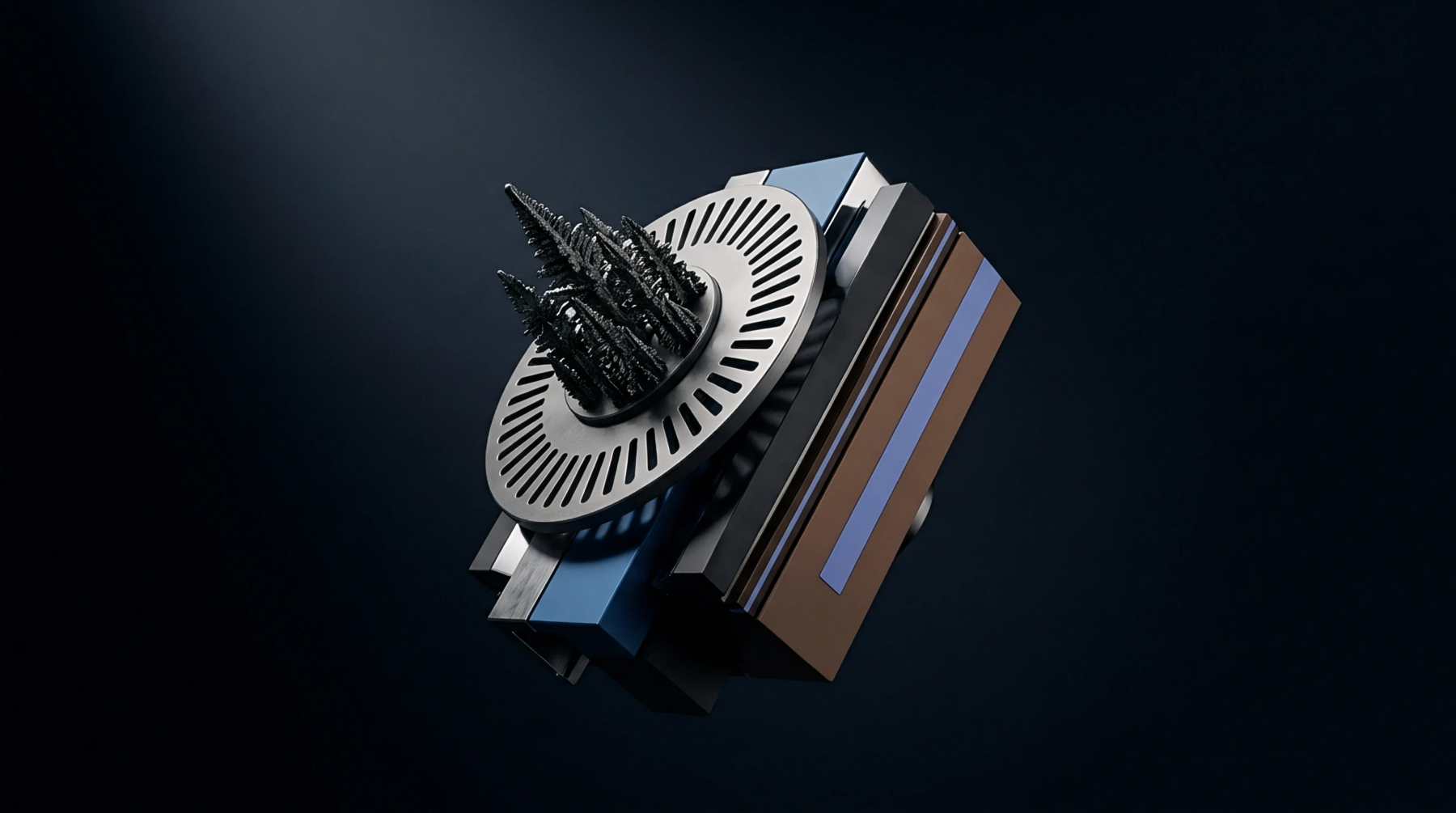
Meaning
Mechanical transition where a material finishes its elastic deformation and begins permanent, irreversible shape change is governed by a threshold stress level. Once plastic yield occurs, any further strain results in permanent structural modification rather than temporary deflection. Understanding this limit allows designers to calculate the mechanical safety margin for electronic enclosures and brackets.
Enclosure Structural Safety
Ruggedized outdoor enclosures must withstand impact and high wind loads without permanent bending. Avoiding plastic yield ensures that the housing maintains its shape and seal integrity under environmental pressure. This deformation limit dictates the thickness of aluminum or steel sheet metal used.
Compliance Margin
Stress concentrations around mounting screws can exceed the material strength. If plastic yield occurs in these areas, the mechanical tension of the fastener decreases, leading to loose boards or cracked solder joints. Finite element analysis modeling helps engineers predict and prevent these failures by redesigning the bracket geometries or using reinforcement washers.
This preventive analysis is essential for boards deployed in vehicular or aerospace applications where continuous vibration is expected.
Material Selection
Choosing alloys with high thresholds prevents deformation during thermal expansion. Controlling plastic yield in copper trace layouts prevents the cracking of vias and traces during thermal cycling. These material choices are documented in the design rules for high-reliability boards.