Meaning
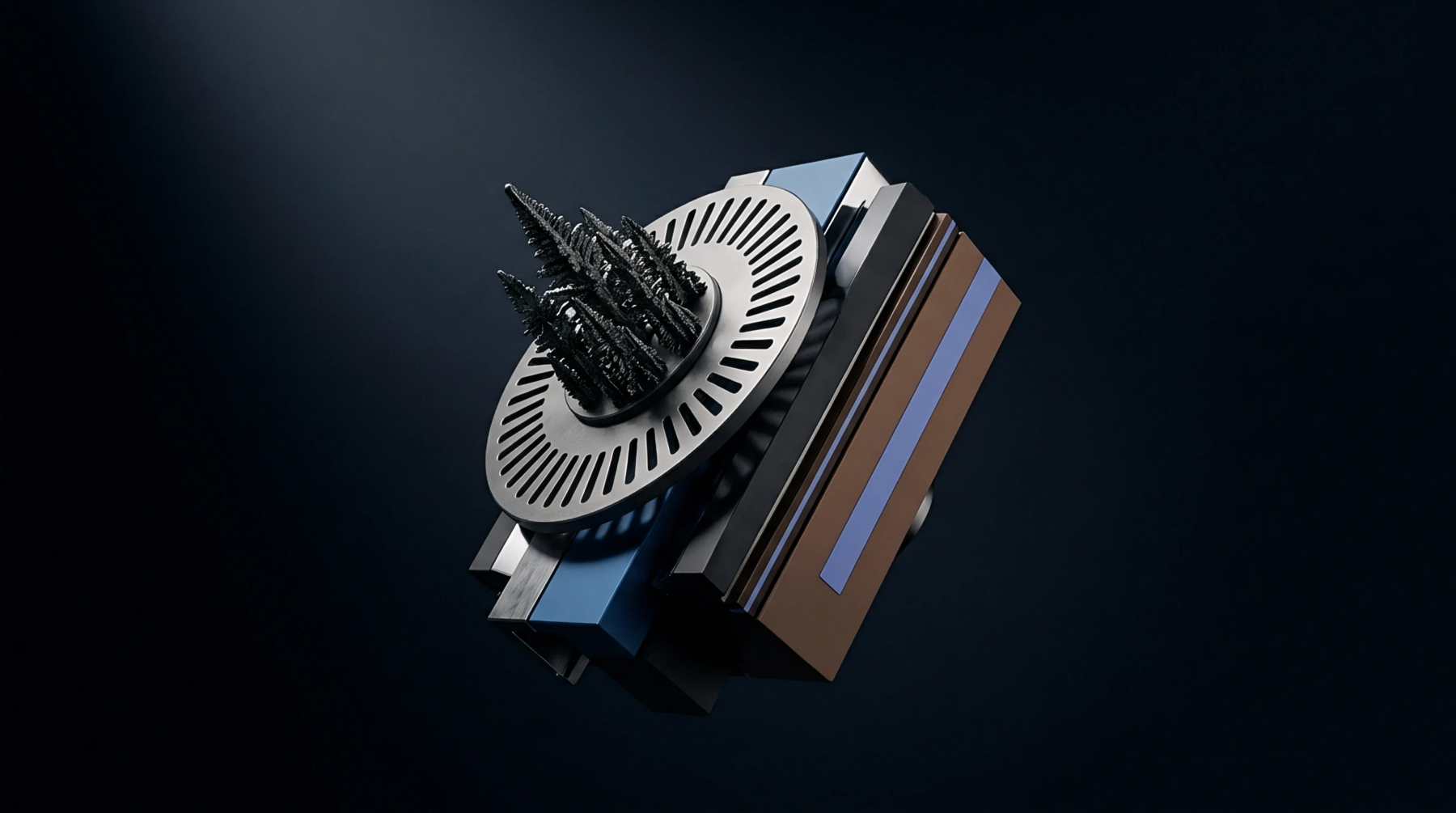
Contact mechanics identifies physical points of interaction on mating surfaces where load concentration forces plastic flow within microscopic protrusions. Asperity deformation accounts for the localized yield that occurs when two bodies press against each other at peaks that exceed the hardness of the base material. The phenomenon dictates the true area of contact which remains significantly smaller than the apparent geometric area of the interfaces.
Pressure distributes across these discrete points until the total number of junctions provides enough support to balance the applied external force.
Mechanical Consequence
Permanent changes to surface topography follow the initial compression of high points during assembly operations. These shifts often alter the friction coefficient between components, particularly when sliding occurs across previously crushed features. Rigid fasteners or pressurized housings rely on this settling process to maintain clamping force throughout the operational life of the unit.
Excessive force leads to surface galling which degrades the finish and changes the thermal resistance across the junction.
Interface Qualification
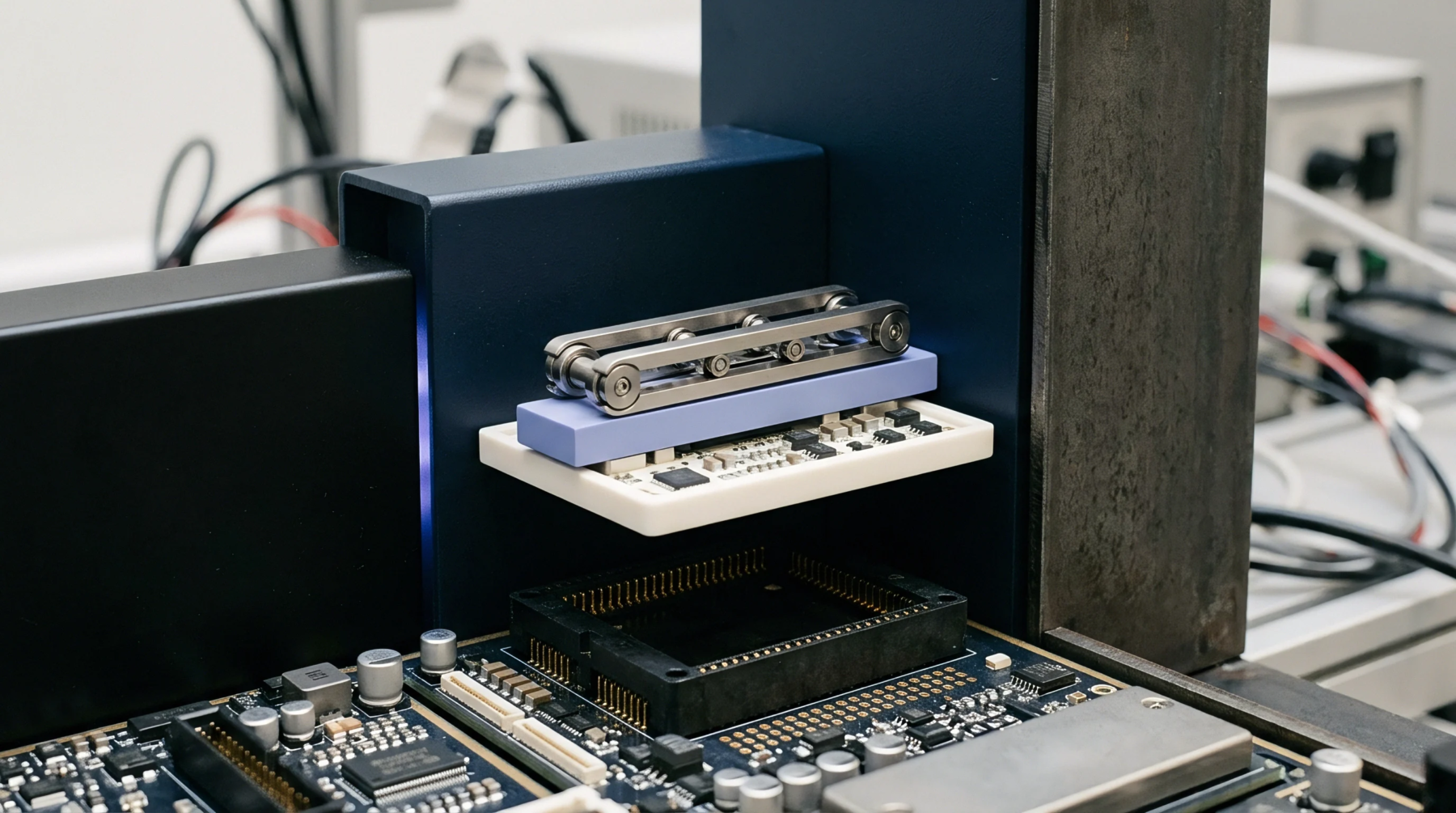
Engineering teams evaluate peak density and material hardness during the prototyping phase to predict how specific components behave under variable load conditions. Measurements from surface profilometry show the baseline geometry before and after environmental stress testing in controlled lab cycles. Reliable electrical connections depend on the stability of these junctions to prevent signal noise from developing as parts settle.
Variations in this physical adjustment process often cause unexpected shifts in impedance within high frequency RF modules.
Surface Calibration
Standards for mating parts define acceptable roughness profiles to ensure that contact remains within predictable limits during thermal expansion. Proper control of this process prevents the total collapse of structural features that provide spacing between sensitive electronic layers. Dense metal meshes or flat heat spreaders require specific finishing steps to ensure the junctions perform predictably across large contact arrays.
Precise management of this phenomenon maintains the structural integrity of the entire module assembly.