Meaning
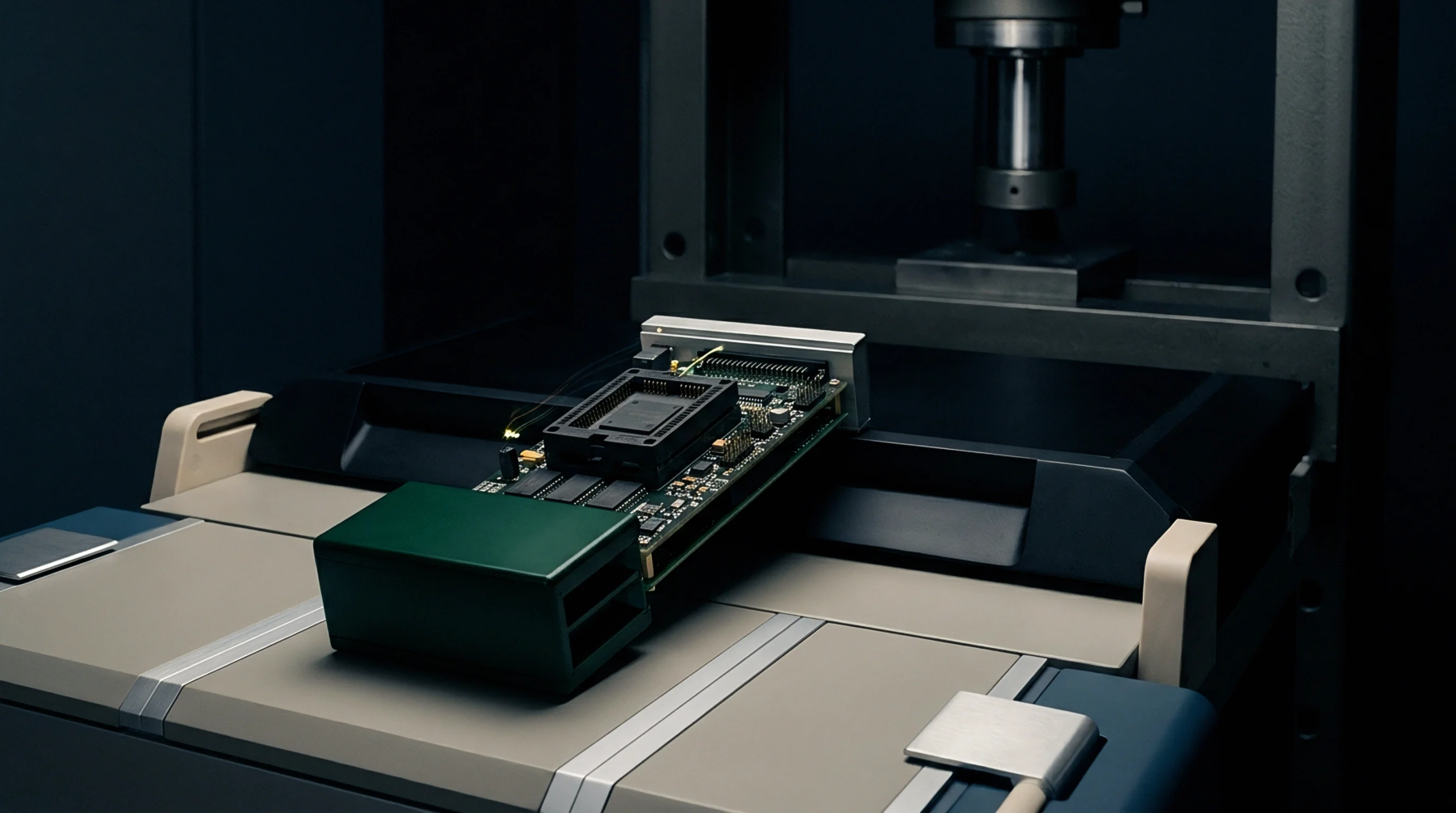
Mechanical and electrical wear reduces the reliability of spring-loaded contact pins used in automated test fixtures. The progression of pogo pin degradation increases the contact resistance at the test nodes, leading to false failures on the assembly line. This degradation is caused by mechanical friction, contamination buildup, and electrical pitting over thousands of test cycles, which alters the physical shape of the contact tip.
Surface Contamination
Solder paste residue, flux, and airborne dust accumulate on the probe tips over time. This buildup creates an insulating barrier that prevents clean metal-to-metal contact with the circuit board under test. Regular cleaning with specialized brushes and solvents restores the contact surface.
Mechanical Fatigue
The internal springs lose their force after thousands of compressions. Lower spring force reduces the probe’s ability to pierce through oxidized layers on the test points. When the force falls below specified limits, the risk of false open circuits rises sharply.
Fixture Maintenance
Production facilities monitor test logs for a rise in retest rates to identify worn probes. Instead of waiting for a complete test system failure, maintenance schedules specify proactive probe replacement after a set number of fixture insertions. This proactive cycle ensures high test yield.