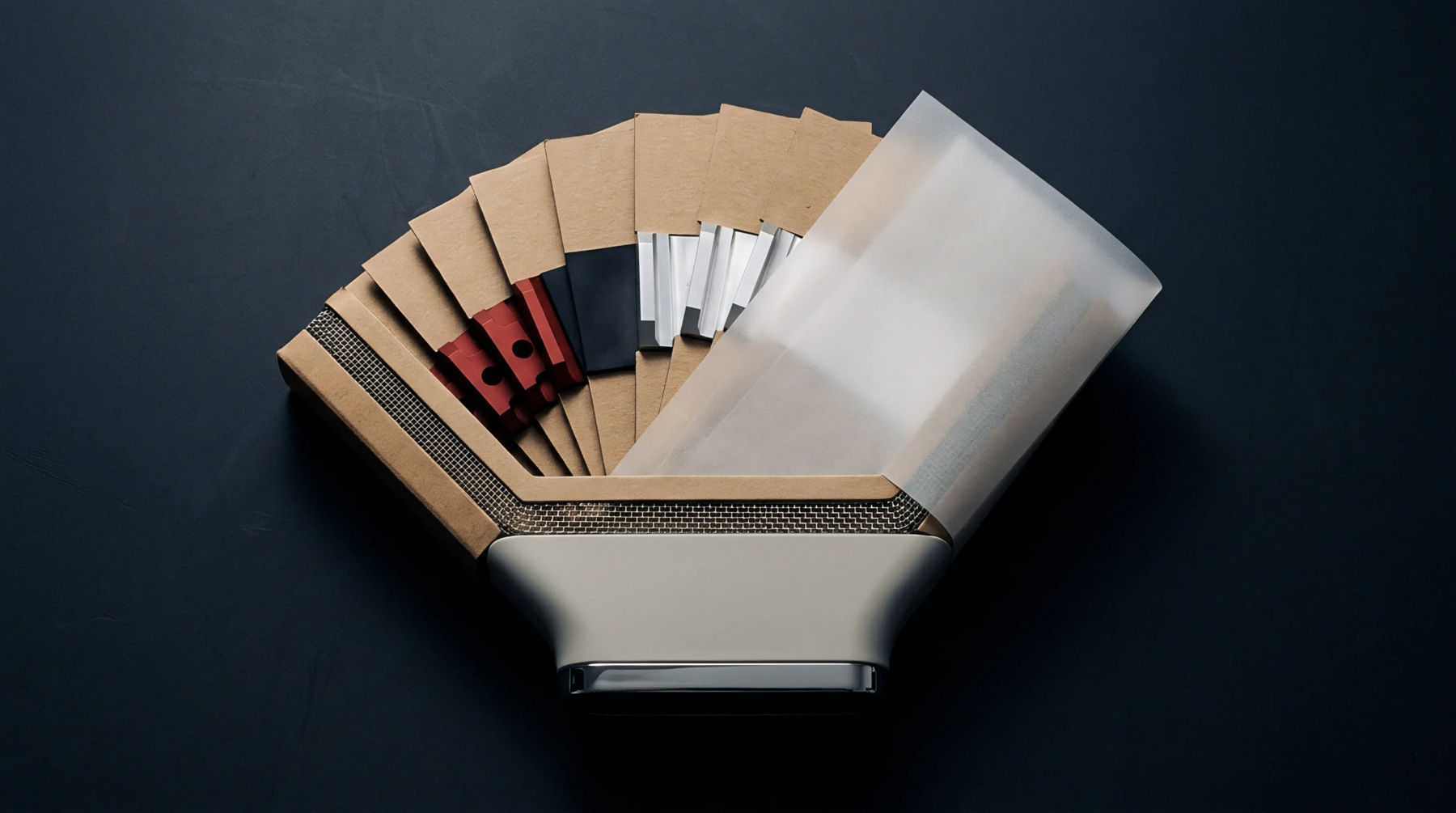
Polymer Enclosure Attenuation Measurement under Millimeter Wave Radar Frequencies
Characterizing polymer permittivity and loss tangent under free-space conditions ensures radar enclosure attenuation remains within strict type-approval limits.
Proportions of recycled plastic scrap mixed with virgin resin during the injection molding process affect the final mechanical and dielectric performance of electronic enclosures. Regrind ratio is a measure of how much reclaimed material is being reintroduced into the manufacturing stream. This material usually comes from the runners and sprues and rejected parts generated during the molding process.
While using regrind can reduce the cost of materials and minimize waste, it can also have a negative impact on the quality of the finished product. The recycling process involves grinding the scrap into small pieces, which can degrade the polymer chains and alter the electrical properties of the resin. For high frequency applications, maintaining a consistent and low ratio is necessary for ensuring the performance of the radar or communication system.
Determining the ideal mix of new and recycled material requires a careful balance between cost and quality. Regrind ratio is typically expressed as a percentage of the total weight of the resin used in the molding process. Manufacturers often set a maximum allowable limit for regrind, such as twenty or thirty percent, to ensure that the properties of the material remain within a predictable range.
The virgin resin provides the necessary strength and stability, while the regrind helps to reduce the environmental footprint of the operation. To maintain a consistent composition, the regrind must be thoroughly mixed with the virgin pellets before being fed into the injection molding machine. Any variation in the ratio can lead to inconsistencies in the molded parts.
The primary concern with using recycled plastic is the potential for thermal and mechanical degradation of the polymer. Regrind ratio affects the viscosity of the molten plastic, which can alter the flow characteristics during injection and lead to defects such as voids or sink marks. Each time a polymer is heated and processed, its molecular chains can break down, leading to a decrease in its mechanical strength and impact resistance.
This is particularly important for structural components that must protect sensitive electronics. Electrically, the degradation can lead to an increase in the dielectric loss tangent, which attenuates high frequency signals. Engineers must perform extensive testing to qualify the use of regrind for a specific application and ensure that it does not compromise the reliability of the device.
Using recycled materials can also affect the regulatory status and certification of a product. Regrind ratio must be carefully documented and controlled to ensure that the material remains compliant with safety and environmental standards. For example, if a material is certified for its flame retardant properties, adding too much regrind may degrade the additives and cause the part to fail the test.
Many industry standards require that the use of regrind be disclosed and its impact on the material properties be quantified. This is especially important for products used in regulated industries such as automotive or aerospace. Maintaining a stable and well documented manufacturing process is essential for achieving and keeping the necessary type approvals for the finished product.
Characterizing polymer permittivity and loss tangent under free-space conditions ensures radar enclosure attenuation remains within strict type-approval limits.
Expertise is a utility, not a secret. sentiention™ publishes its working knowledge as open reference: intelligence layer covering the materials it sources, the markets it enters, and the reference that serves both.