Meaning
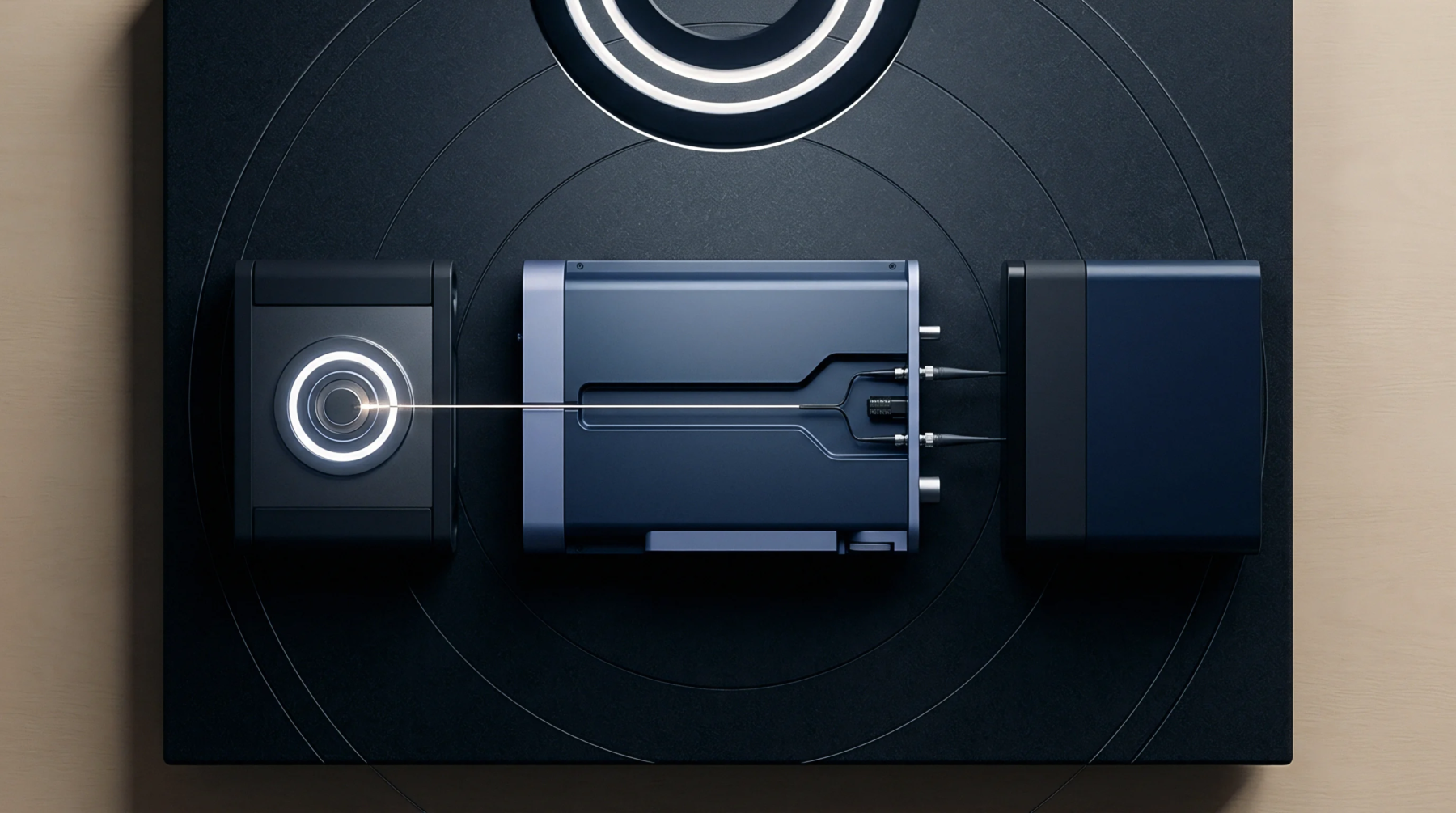
Clock cycle variation occurs when an internal oscillator deviates from the nominal frequency during low power operational modes. This sleep clock drift affects the synchronization between local timing and the network heartbeat during periodic wake cycles. Differences in temperature and voltage stability influence how far the local counter falls behind or pulls ahead of a master reference over extended intervals.
Timing Variance
Latency errors accumulate when a device remains in a dormant state for a duration exceeding the compensation capacity of the real time clock crystal. Integrated circuits rely on precise interval tracking to ensure that a radio module activates at the exact microsecond required to catch a packet header. Excessive divergence forces the transceiver to extend the listening window, which increases power consumption and reduces the battery life of the assembly.
Frequent resynchronization procedures mitigate the risk of connection loss between the remote sensor and the gateway hub.
Calibration Procedure
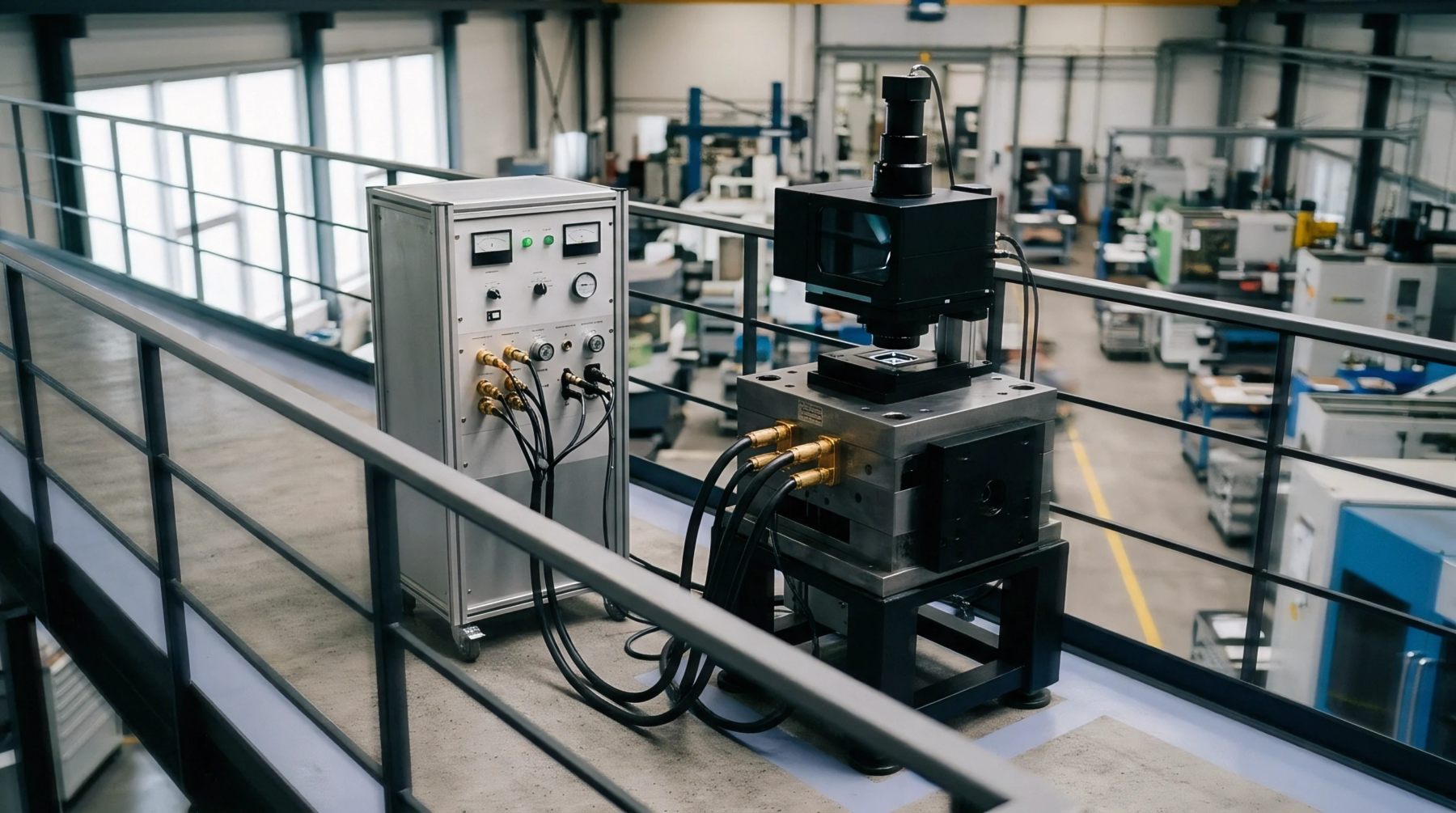
Manufacturers establish a correction constant during the initial testing phase to account for manufacturing tolerances of the quartz resonator. Software algorithms apply this value to adjust the sleep counter according to the measured ambient thermal environment. Engineers map the frequency shift against a temperature curve to predict the performance loss before a hardware deployment.
System Impact
Inaccurate timekeeping causes frames to collide when multiple units attempt to access the medium simultaneously after exiting deep power reduction states. Total throughput drops as the overhead required for handshake retries consumes the available bandwidth. Tight constraints on clock accuracy govern the success of mesh network topologies operating under strict energy budgets.