Meaning
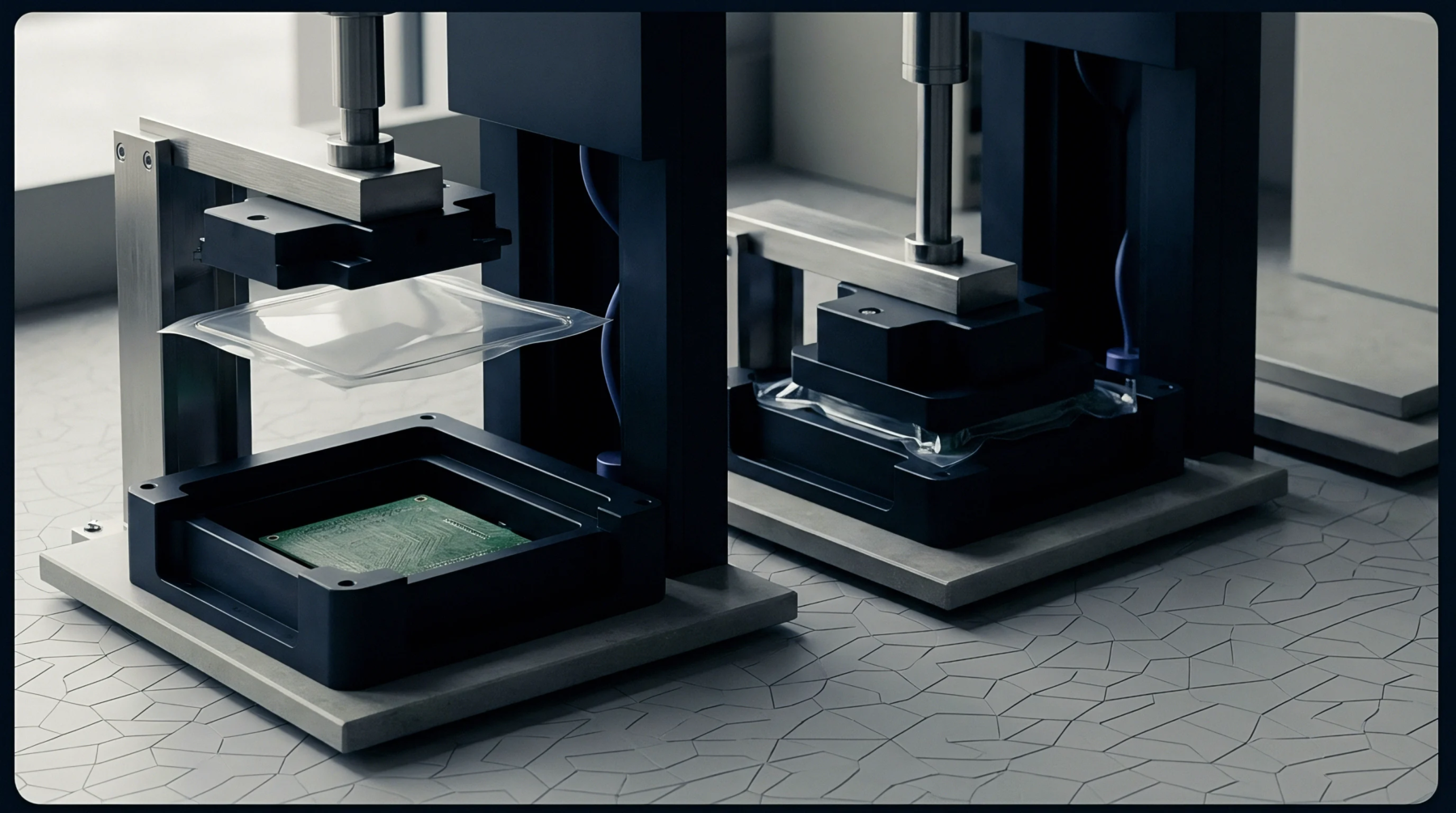
Mechanical decoupling element installed between a heavy assembly and its supporting frame. A structural isolation pad prevents the transmission of high frequency vibrations or acoustic energy into the chassis. These pads are typically made from elastomers or composite materials that possess specific damping properties.
They act as a low pass filter for mechanical shocks.
Damping Mechanism
Absorption of kinetic energy happens through the internal friction of the pad material. When a piece of equipment such as a large power transformer or a cooling pump vibrates, the structural isolation pad deforms to convert that motion into a small amount of heat. This prevents the energy from traveling through the mounting bolts and exciting the resonances of the enclosure.
The effectiveness of the isolation depends on the static load applied to the pad and its durometer rating. Designers must calculate the natural frequency of the system to ensure it sits well below the frequency of the vibration source. A properly tuned pad can reduce transmitted forces by over ninety percent, protecting sensitive electronic boards from fatigue.
Material Durability
Environmental resistance determines the lifespan of the isolation barrier. Pads must resist degradation from oils or the extreme temperatures found in outdoor radio cabinets. Polyurethane and neoprene are common choices for a structural isolation pad due to their balance of damping and longevity.
Installation Rule
Proper placement requires that the load is distributed evenly across the entire surface of the pad. If a structural isolation pad is overloaded, it becomes too stiff and loses its ability to decouple the vibration. Conversely, an underloaded pad may not compress enough to provide stable support.
Technicians use torque limits on fasteners to avoid bypassing the pad through a hard metal path. Verification involves measuring the vibration levels on both sides of the interface to confirm the attenuation meets the system specification.