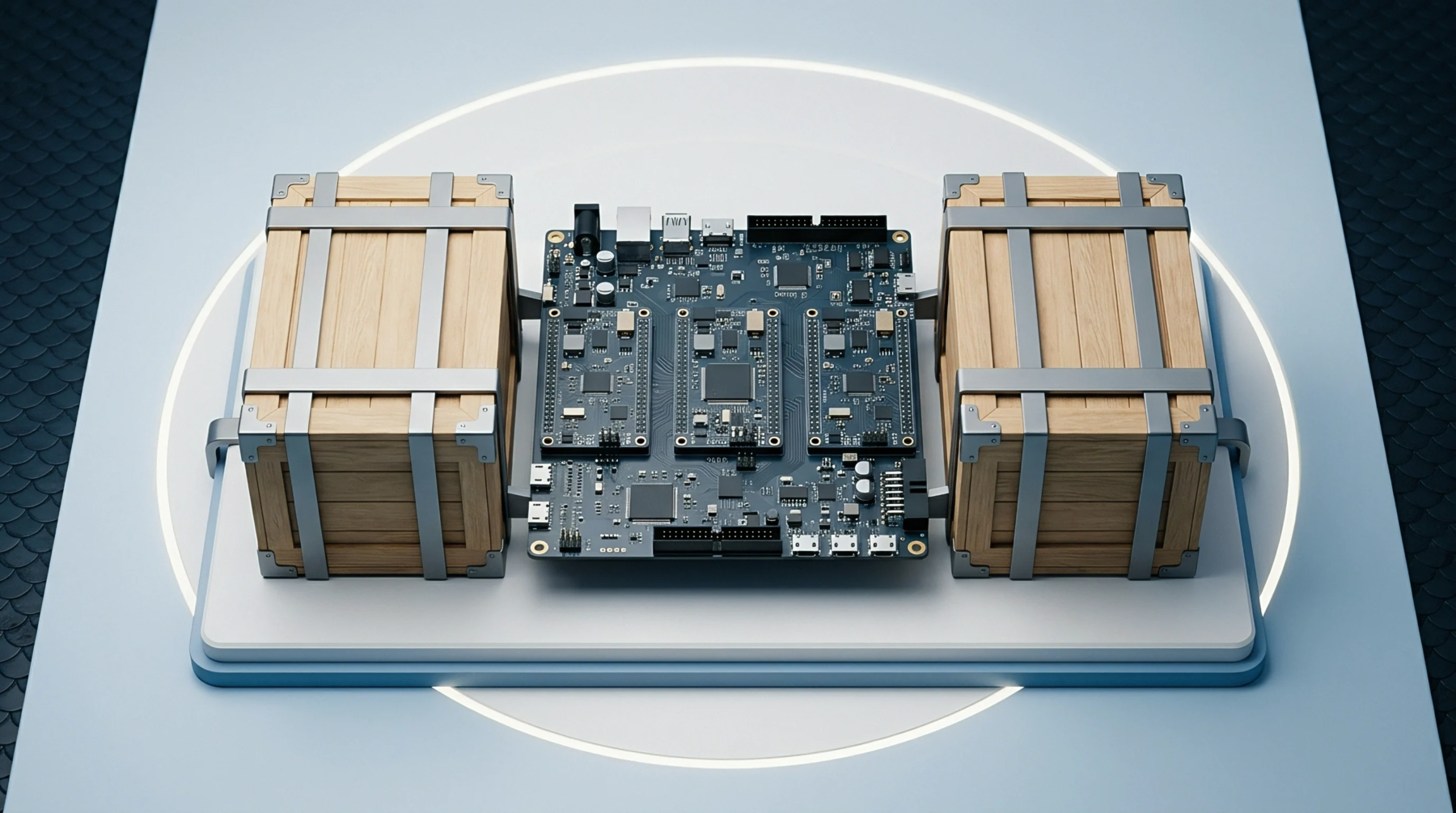
Meaning
Central set of registers in a processor core provides the interface for managing system exceptions, power states, identity codes and configuration settings. The system control block acts as the primary hub for controlling the behavior of the internal hardware. It allows the software to query the identity of the chip and the cause of the most recent reset.
Exception Handling
Priorities for interrupts and faults are configured through these specific memory mapped locations. Within the system control block, developers can enable or disable features like the floating point unit or memory protection. This control is necessary for fine tuning the performance of the real time kernel.
Status Monitoring
Registers here track the current state of the processor and provide information on pending events. If a hard fault occurs, the system control block stores the address of the instruction that caused the error. This information is indispensable for debugging complex software crashes.
Power Management
Low power modes and sleep behaviors are initiated by writing to the appropriate fields. The system control block coordinates the transition between active execution and deep sleep to maximize battery life. It ensures that the system wakes up correctly in response to external stimuli.
The configuration of the wait for interrupt behavior is managed directly through this register set to minimize energy consumption during idle periods. Hardware interrupts are then required to return the processor to an active state where it can resume processing instructions.