Meaning
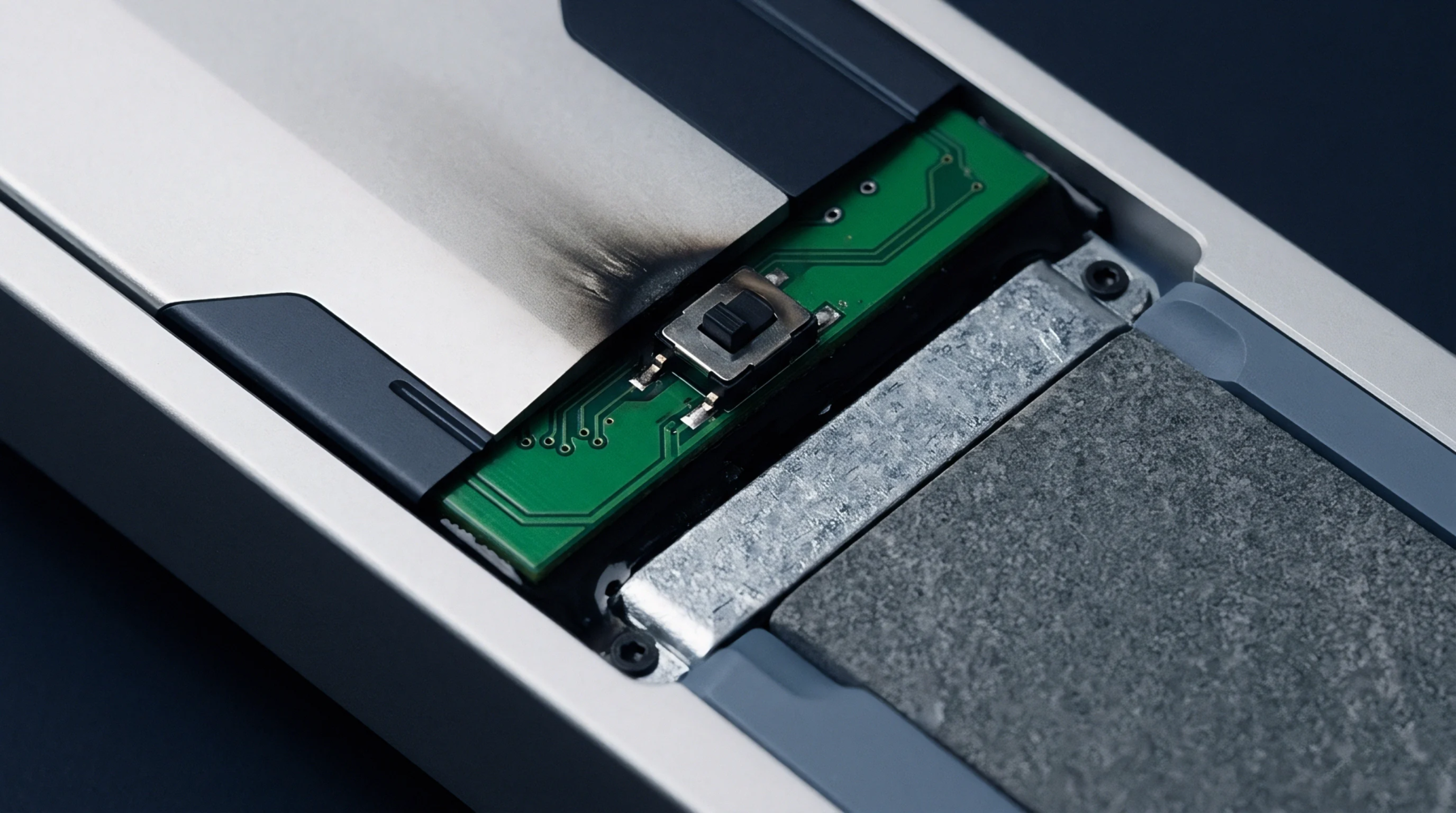
Permanent structural alteration of a component occurs when uneven thermal expansion or contraction creates internal stresses that exceed the yield strength of the base material. Thermomechanical distortion manifests as a deviation from the intended physical geometry of a part that remains after the heat source is removed. Such permanent shifts often arise in high density electronic assemblies where mismatched coefficients of thermal expansion between metals and substrates force mechanical fatigue upon solder joints and connectors.
Structural Sensitivity
Differences in the rate of growth between disparate materials create shear forces during temperature cycling. Materials with high thermal mass reach equilibrium slower than thin traces or delicate interconnects. These discrepancies generate localized stress concentrations that initiate microscopic cracks or global warping of a printed circuit board.
Assembly Compliance
Manufacturers verify final mechanical stability by subjecting prototypes to controlled rapid cooling and heating sequences. Validation occurs during the transition from environmental stress screening to full operational qualification. Data gathered from laser scanning or tactile probing of the enclosure confirms whether the assembly retains its required tolerance fit after exposure to these extremes.
Failure Mechanics
Repeated expansion cycles eventually overcome the elastic limit of fasteners and structural adhesives holding the integration stack together. Permanent separation of interface surfaces follows once the accumulated plastic deformation crosses the design threshold for the system. Mechanical integrity loss in these zones forces electrical signal failure and premature component retirement.