Meaning
Crosslinked polymeric material containing primarily carbon and hydrogen atoms forms the chemical foundation for industrial applications requiring stable mechanical properties under extreme heat. thermoset hydrocarbon resin systems undergo an irreversible curing reaction during manufacture, creating a dense three dimensional network that prevents melting upon subsequent exposure to high temperatures. Unlike thermoplastic variants that soften when heated, these rigid compounds maintain structural integrity by locking molecular chains into a permanent state of high thermal resistance.
Thermal Stability
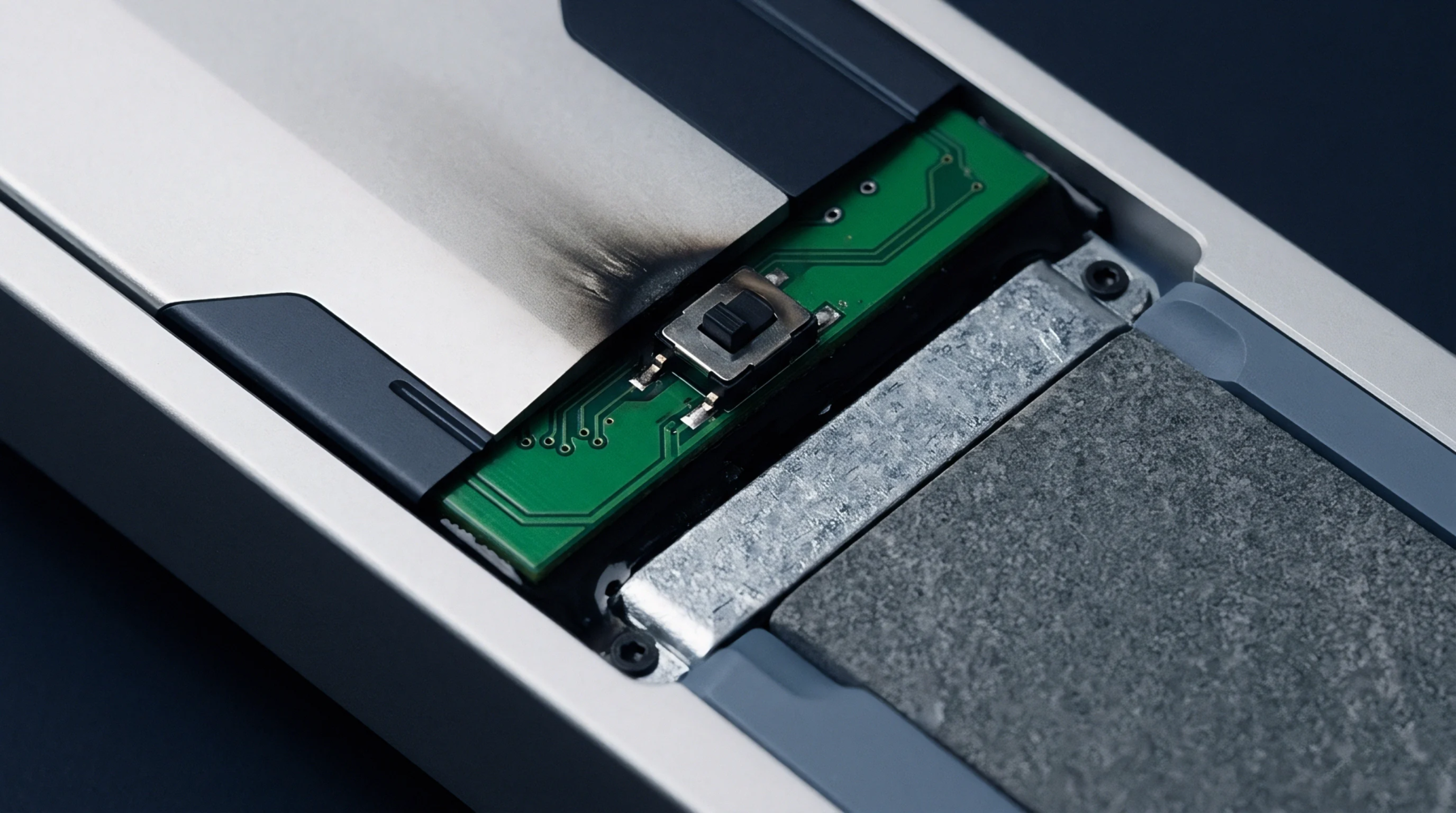
Electronic components utilize thermoset hydrocarbon circuits because the material resists deformation during soldering sequences where temperatures spike above normal operating levels. Engineers specify these substrates for high frequency hardware because the low dielectric loss remains stable across a wide range of operational conditions. Designers select the material to match the coefficient of thermal expansion found in copper foil, which minimizes mechanical stress on delicate surface mount joints during rapid temperature cycles.
Integration Constraint
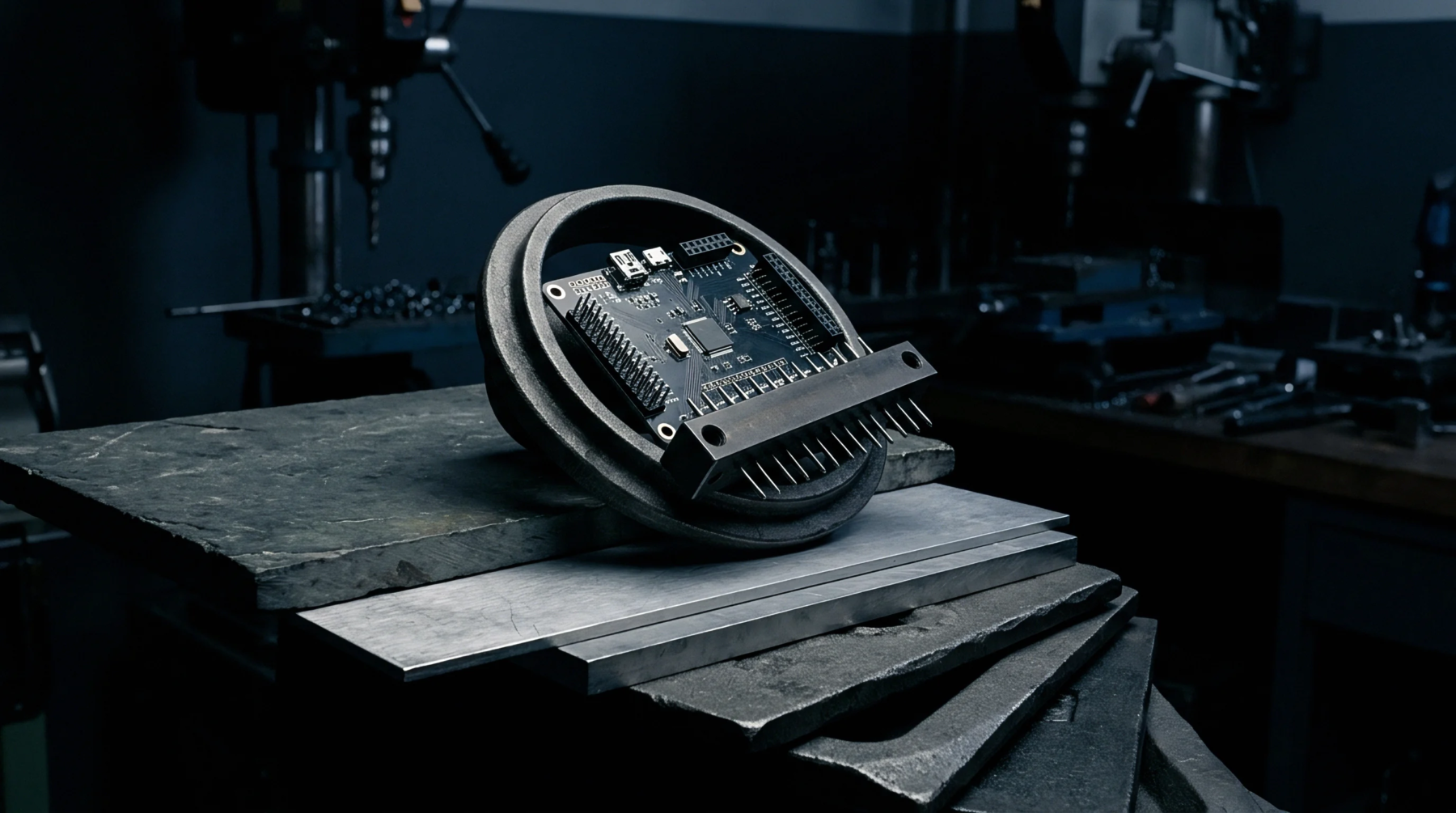
Printed circuit boards rely on this substrate to maintain impedance control between conductive traces during high speed signal transmission. Manufacturing teams monitor the degree of cure through differential scanning calorimetry to ensure the chemical transformation reaches completion, as incomplete crosslinking degrades the resistance of the assembly to moisture absorption. Proper curing ensures the board withstands the mechanical strain of multi layer lamination without separating the dielectric layers from internal circuitry.
Production Verification
Quality protocols evaluate the glass transition temperature of the final assembly to verify that the resin hardening process satisfies electrical performance requirements. Technicians measure the storage modulus at operating limits to confirm that the rigid matrix supports the mass of components without flexing under vibration. Validated mechanical properties prove that the cured material provides the necessary dielectric strength to insulate high voltage signals within compact electronic enclosures.