Meaning
Chemical coating application on the contact point of a component regulates friction and conductivity to prevent wear during high-cycle physical interactions. Tip surface metallurgy involves the deposition of noble metal alloys or hard-facing compounds onto probe pins and electrical connectors. The resulting layer stabilizes resistance values by mitigating material transfer between the mating surfaces.
Process Control
Precise thickness management governs the durability of the plated barrier. Automated vapor deposition regulates the atomic structure of the thin film to ensure uniform hardness across the entire geometry. Deviations in the coating density lead to rapid oxidation under mechanical stress.
Consistency in this application determines the operational lifespan of the contact assembly.
Thermal Stability
High ambient temperatures alter the lattice bond strength of the protective interface. Different metals expand at uneven rates during thermal cycling, which causes the surface layer to crack or delaminate from the substrate. Engineers select specific metal combinations to match the coefficients of expansion between the coating and the base material.
Heat dissipation requirements dictate the choice of refractory metals for extreme duty environments.
System Compatibility
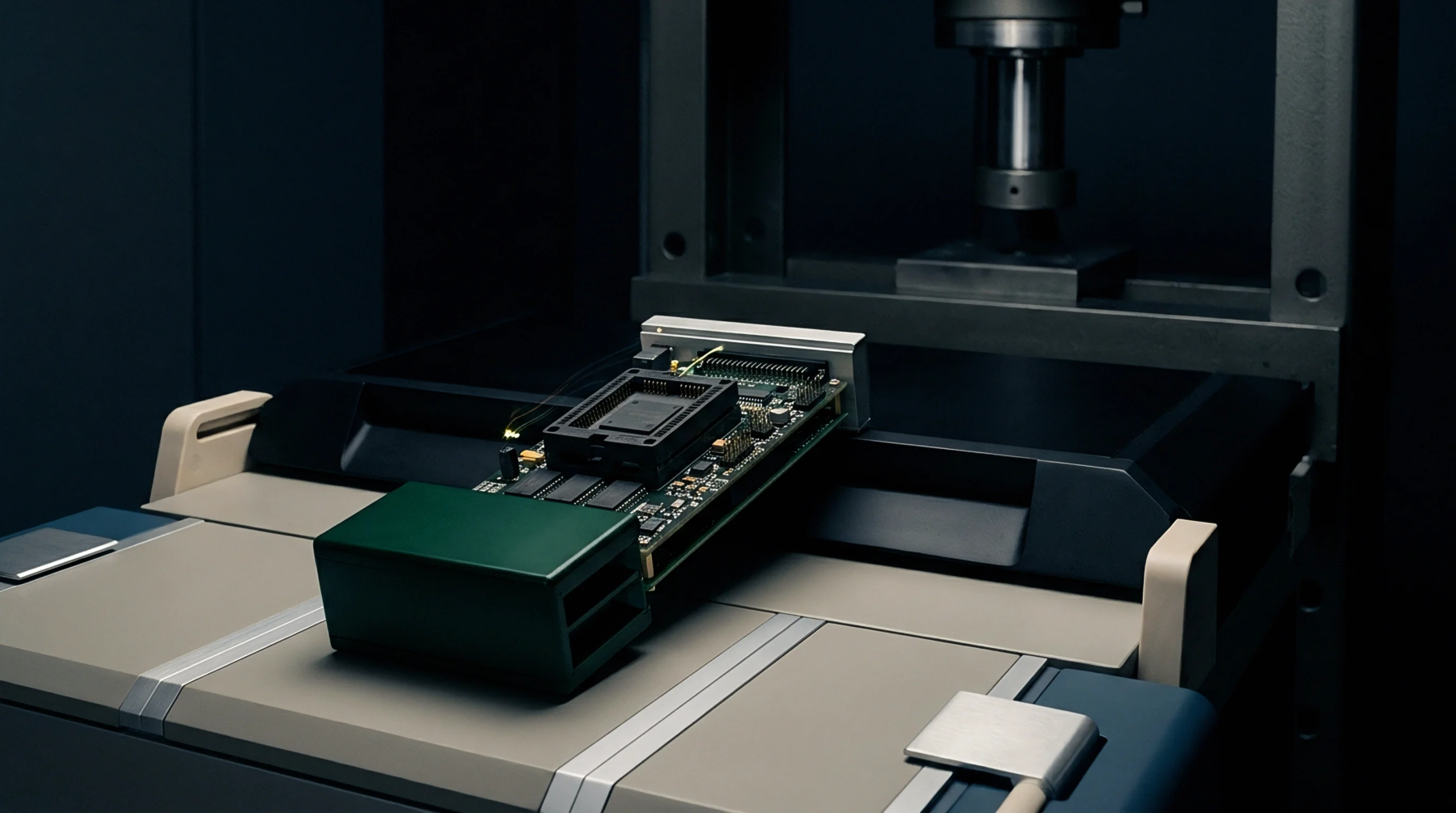
Integrated probe stations verify the electrical integrity of the modified contact point before integration into the final board architecture. Measurement technicians apply standard current loads to determine whether the metallurgical treatment maintains a low resistance path throughout the product lifecycle. Successful validation confirms that the surface configuration supports high-speed signal transmission without attenuation.
Proper surface hardening procedures reduce the necessity for frequent component replacement.