Meaning
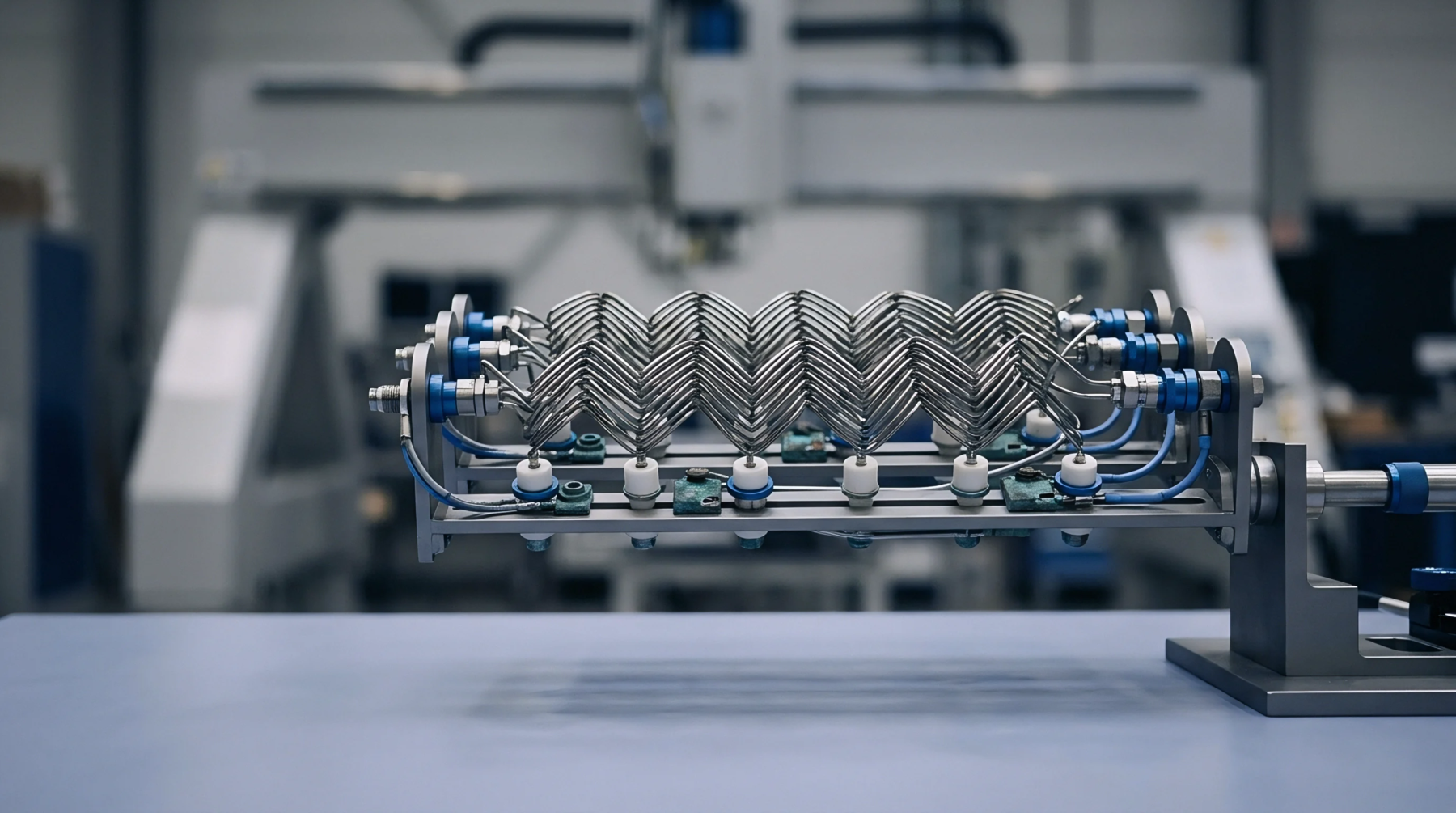
Automated umbilical mating hardware joins pneumatic lines, control circuits and power paths inside robotic manufacturing cells during automatic end effector swaps. A tool change connector handles simultaneous high current transfer and rapid fluid coupling without manual intervention. Factory automation engineers specify the device to withstand thousands of mating cycles under high vibration without contact wear or pressure loss.
Thermal Budget
Contact resistance inside the electrical module generates joule heating during continuous operation at maximum amperage. Thermal expansion across mixed metal pins alters mechanical tolerance inside the housing during high duty cycles. Engineers calculate maximum allowable power dissipation based on ambient enclosure temperature and pin geometry.
Interface Tolerance
Mechanical misalignment creates shear stress across spring loaded contact pins during the final millimeter of the approach stroke. Floating mounting plates absorb angular offset between the robot arm half and the tool stand half. Production lines verify this alignment margin using coordinate measuring machines before commissioning the cell.
Signal Integrity
Digital communication packets traverse low voltage pins positioned immediately adjacent to high voltage power paths. Electromagnetic interference from servo drives couples into unshielded sensor lines during rapid acceleration phases. Shielded twisted pairs inside the umbilical bundle suppress high frequency noise to prevent packet loss.