Meaning
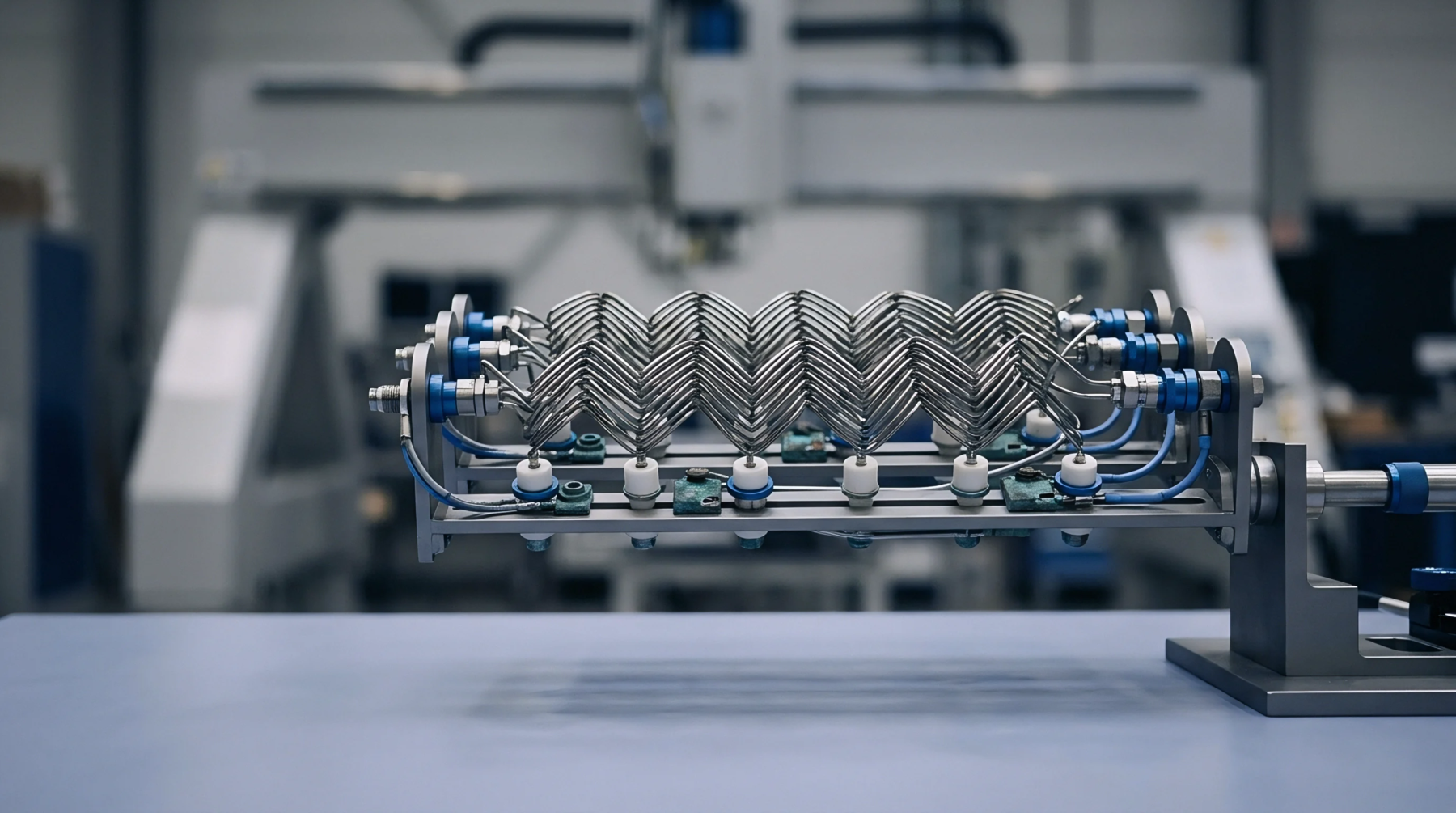
Mechanical decoupling prevents internal and external motion from transferring between sensitive assemblies and supporting structures. Vibration isolation suppresses resonant frequencies that compromise radio frequency performance and degrade high density circuit boards during operational shocks. Elastomeric mounts and wire rope isolators absorb kinetic energy by converting motion into thermal dissipation across targeted interfaces.
Transmissibility curves dictate the frequency ratio where attenuation begins above the square root of two times the natural frequency.
Resonance Management
Structural stiffness must align with mass distribution to shift natural frequencies away from operational spectra generated by adjacent cooling fans and power supplies. Frequency calculations determine whether the mechanical assembly operates safely below the amplification zone or within the high frequency attenuation region. Undamped systems experience infinite amplitude magnification at resonance, requiring calibrated damping ratios to limit peak displacement during shock testing.
Qualification documents record sine sweep profiles that verify structural integrity across specified operational bandwidths.
Thermal Budget
Elastomeric compounds transfer heat poorly, creating thermal resistance pathways between power amplifiers and chassis enclosures. Thermal interface materials compensate for the elevated mounting heights introduced by high deflection isolators. Heat sink expansion rates must match the supporting frame to prevent mechanical stress buildup during temperature cycling.
Supplier qualification data sheets specify operating temperature ranges where rubber compounds retain compliance without permanent compression set.
Mechanical Interface
Mounting geometry defines the load capacity per isolator and constrains lateral displacement under multi axis vibration profiles. Bolt torque specifications govern preload values that prevent joint separation during high acceleration shock events. Component ratings reflect individual isolator limits, while system ratings account for coupled modes of vibration across the assembled enclosure.
Buyer acceptance testing verifies that installed hardware meets the transmissibility criteria defined in the procurement specification.