Meaning
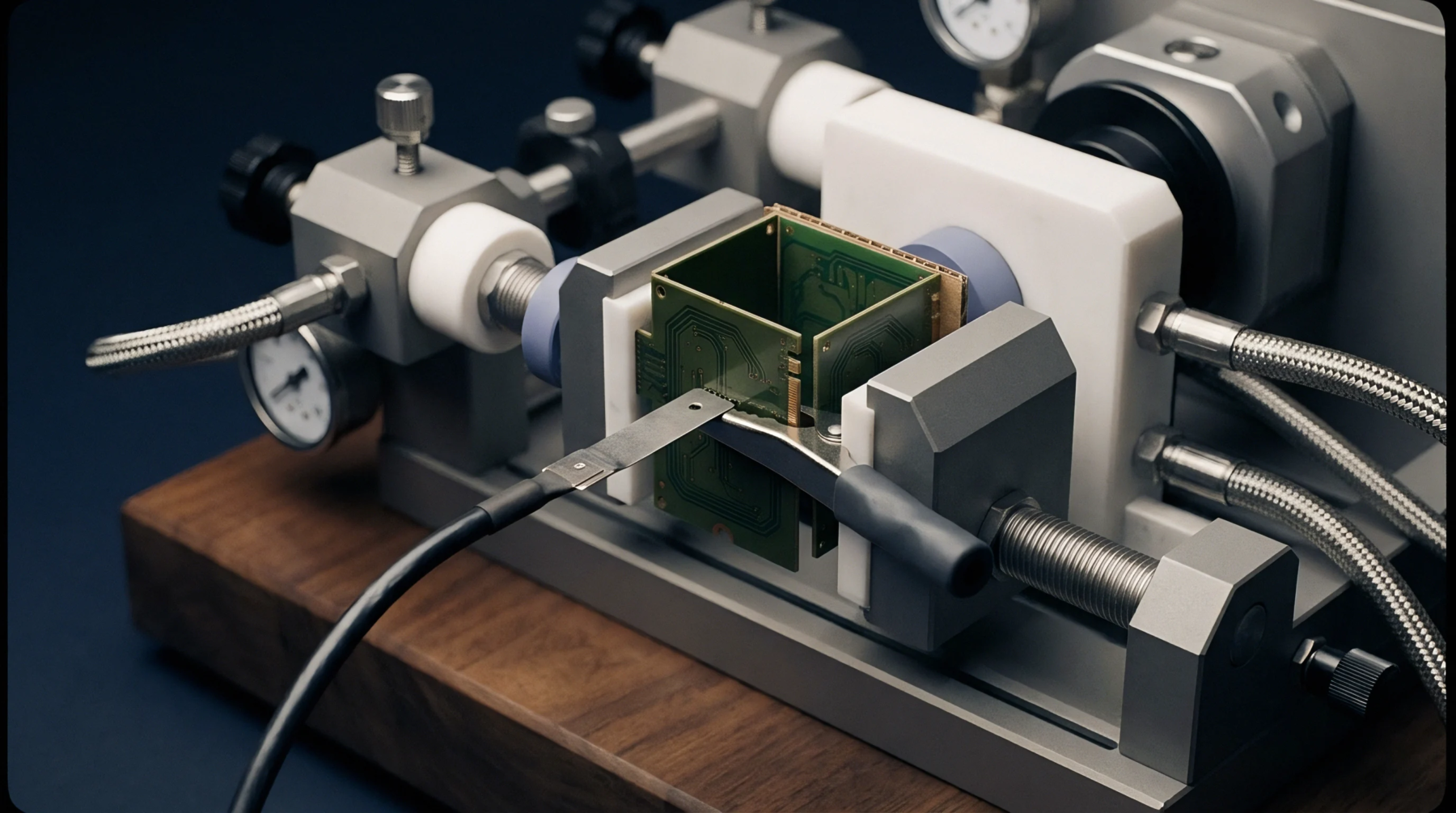
Thermal modification process performed in an environment devoid of air to enhance the mechanical properties of metal components. Using vacuum heat treatment prevents surface oxidation and decarburization that would occur in a standard furnace. The parts emerge from the process with a clean, bright finish that often requires no further cleaning.
This method is preferred for the precision components found in medical devices and high-frequency electronics.
Process Control
Sophisticated sensors monitor the temperature and pressure throughout the vacuum heat treatment cycle. Computerized systems control the heating rate and the quenching gas pressure to achieve the desired microstructure. This level of control in vacuum heat treatment produces highly predictable results across different batches.
The cooling rate can be precisely adjusted to prevent warping in thin-walled sections.
Surface Quality
Elimination of reactive gases during vacuum heat treatment protects the integrity of the surface layer. There is no formation of scale or soft skin that would need to be ground away. Maintaining the original dimensions and finish during vacuum heat treatment is critical for parts with intricate geometries.
Material Performance
Enhanced fatigue life and improved hardness are the main benefits of vacuum heat treatment for high-alloy steels. The process ensures that internal stresses are minimized during the cooling phase. Components subjected to vacuum heat treatment show superior reliability in demanding aerospace and telecommunications applications.