Meaning
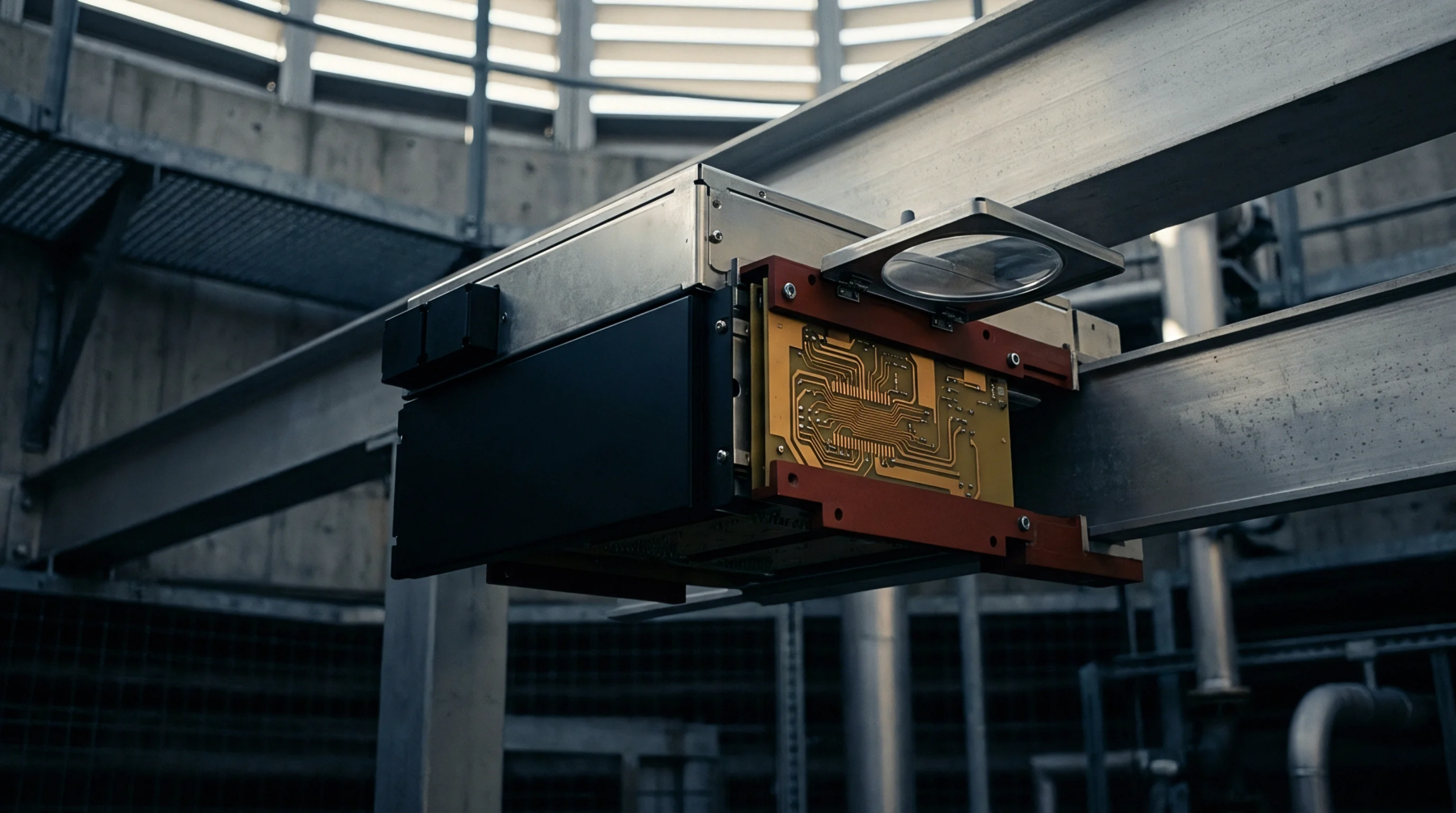
Volumetric measurement technology quantifies the precise height, area, and volume of wet material applied to printed circuit boards during high-speed electronics assembly. The 3d solder paste inspection process identifies print defects like insufficient deposits or bridging before component placement occurs. Such analysis prevents costly rework by verifying that each stencil aperture receives the correct amount of material for reliable joint formation.
Inspection Precision
Optical sensors employ phase shifting profilometry to map the surface topography of deposits against programmed tolerance limits. This measurement method generates a high-resolution cloud of points to calculate the exact physical dimensions of each stencil print. Automated systems compare these captured values to predefined nominal standards stored within the machine software.
If measured data exceeds established height or volume thresholds, the system flags the board for manual review or triggers an automatic stop to the screen printer line.
Process Integration
Stencil printing parameters rely upon feedback loops established by these measurement systems to maintain consistent production quality. Controllers correlate print speed and squeegee pressure with observed deposition trends to adjust the manufacturing environment dynamically. Operators use this stored information to refine the assembly setup and improve the yield of the entire production floor.
Measurement Logic
Calibration procedures ensure that every sensor maintains accuracy across varying board densities and colors. Routine verification processes check the alignment of the optical head to the transport conveyor to eliminate skew errors in spatial data. Systematic reliance on these quantified checks reduces the probability of open circuits or cold joints at the reflow stage.