Meaning
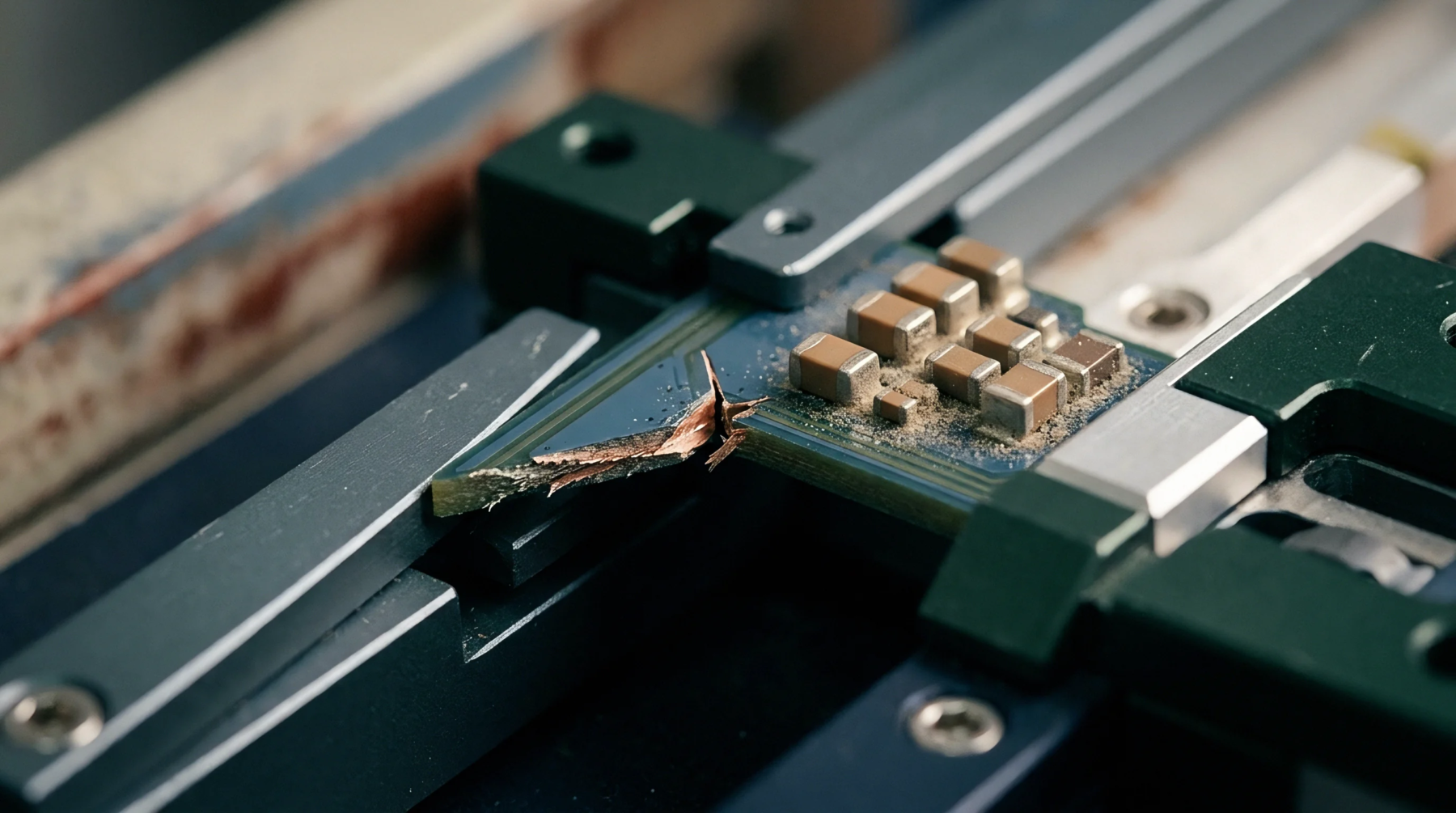
Structural synchronization within a manufacturing environment ensures that high-precision assemblies maintain spatial accuracy throughout the production cycle. Aerospace fixture integration involves the physical mating of airframe sections or electronic enclosures to a rigid support system. This process establishes the datum points used for drilling and assembly.
The scope ends once the component is released from the cradle to move to the next stage.
Spatial Coordination
Repeatability defines the success of a setup. The aerospace fixture integration relies on laser trackers and photogrammetry to verify that every contact point sits within specified tolerances. Discrepancies here lead to accumulated errors in the final airframe.
If a primary datum shifts by even a fraction of a millimeter, the entire wing skin might fail to align with the spar. Constant monitoring during the welding or fastening phase accounts for these minute movements.
Interface Management
Clamping forces must be distributed to avoid deformation of thin-walled shells. Proper aerospace fixture integration uses soft-jaw interfaces and torque-limited fasteners. These tools prevent local crushing while maintaining a firm hold during machining.
Friction pads and vacuum chucks provide stable contact without marring the surface of flight-critical skins.
Handover Documentation
Validation certificates confirm the readiness of the setup. Final logs for aerospace fixture integration record the environmental conditions and calibration dates of the instruments used. This data set accompanies the part to verify its geometric history.