Meaning
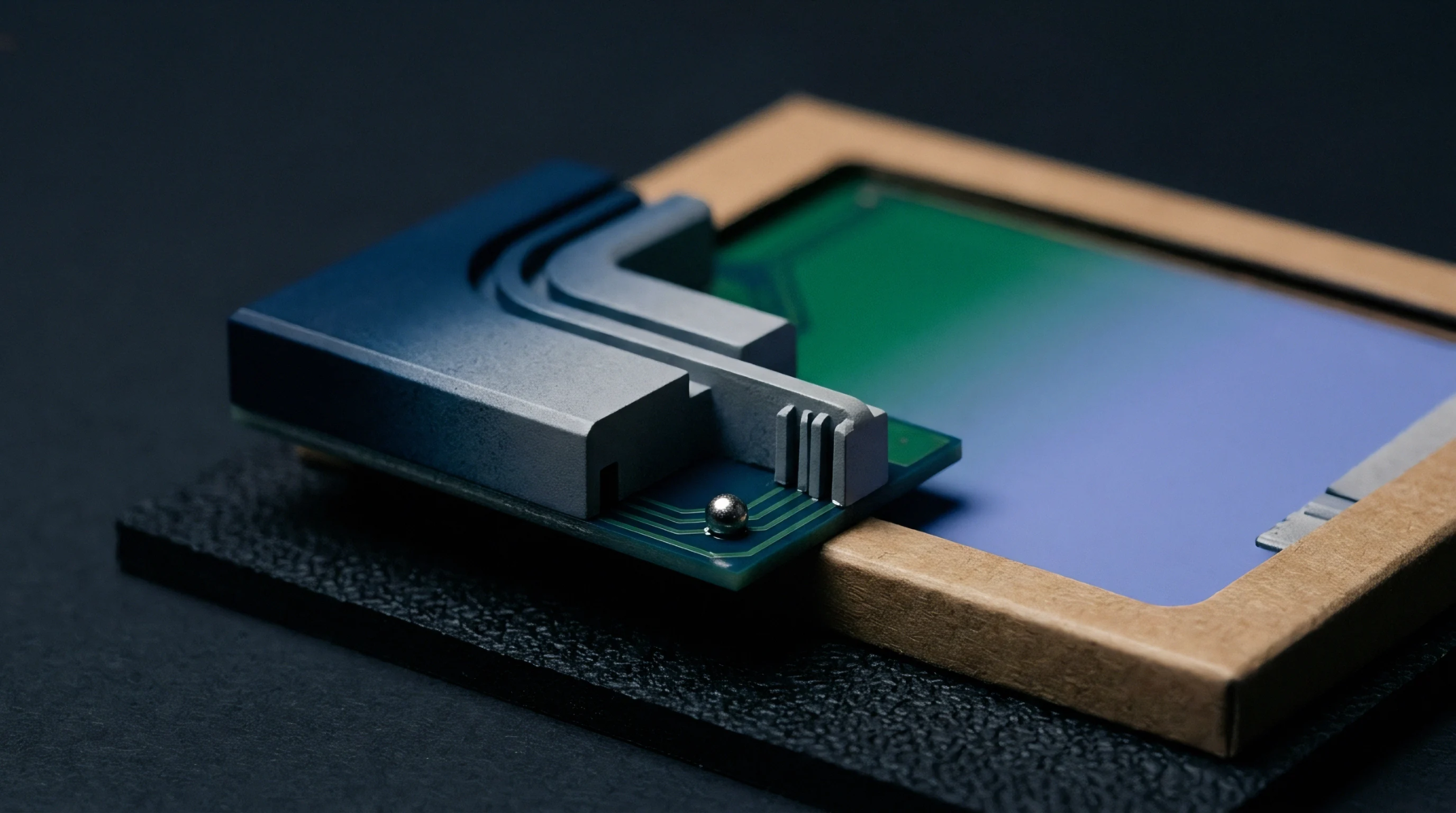
Electronic integration designates the physical and electrical boundary where a communication engine meets its parent printed circuit board. Within this ecosystem, a cellular host assembly supports the transceiver module by providing power rails and managing digital inputs. The configuration defines the transition from processor to radio.
Interface Specification
Dual-sided surface mount technology establishes the mechanical connection between the module and the motherboard. To ensure signal integrity, the cellular host assembly must route the impedance-matched radio frequency traces through dedicated board layers. High-speed serial buses dictate the spacing of differential pairs to prevent crosstalk.
Ground planes surround these traces to suppress noise.
Thermal Boundary
Heat dissipation represents a primary operational challenge for the co-located processors and radios. When operating at peak duty cycles, the cellular host assembly requires a thermal interface material to channel heat to the outer enclosure. Passive cooling remains the primary mechanism for maintaining internal temperatures below the maximum rated silicon threshold.
If thermal limits are exceeded, the module throttles throughput.
Structural Compliance
Physical stability testing verifies that the entire board stack remains intact under mechanical stress. Shock and vibration profiles dictate the thickness of the cellular host assembly to prevent solder joint fatigue during transport or field deployment. Designers execute drop tests to validate the mounting points before final production release.
A failure in these tests requires a redesign of the housing to prevent catastrophic failure in the field. Consequently, the assembly must pass rigorous testing before certification.