Meaning
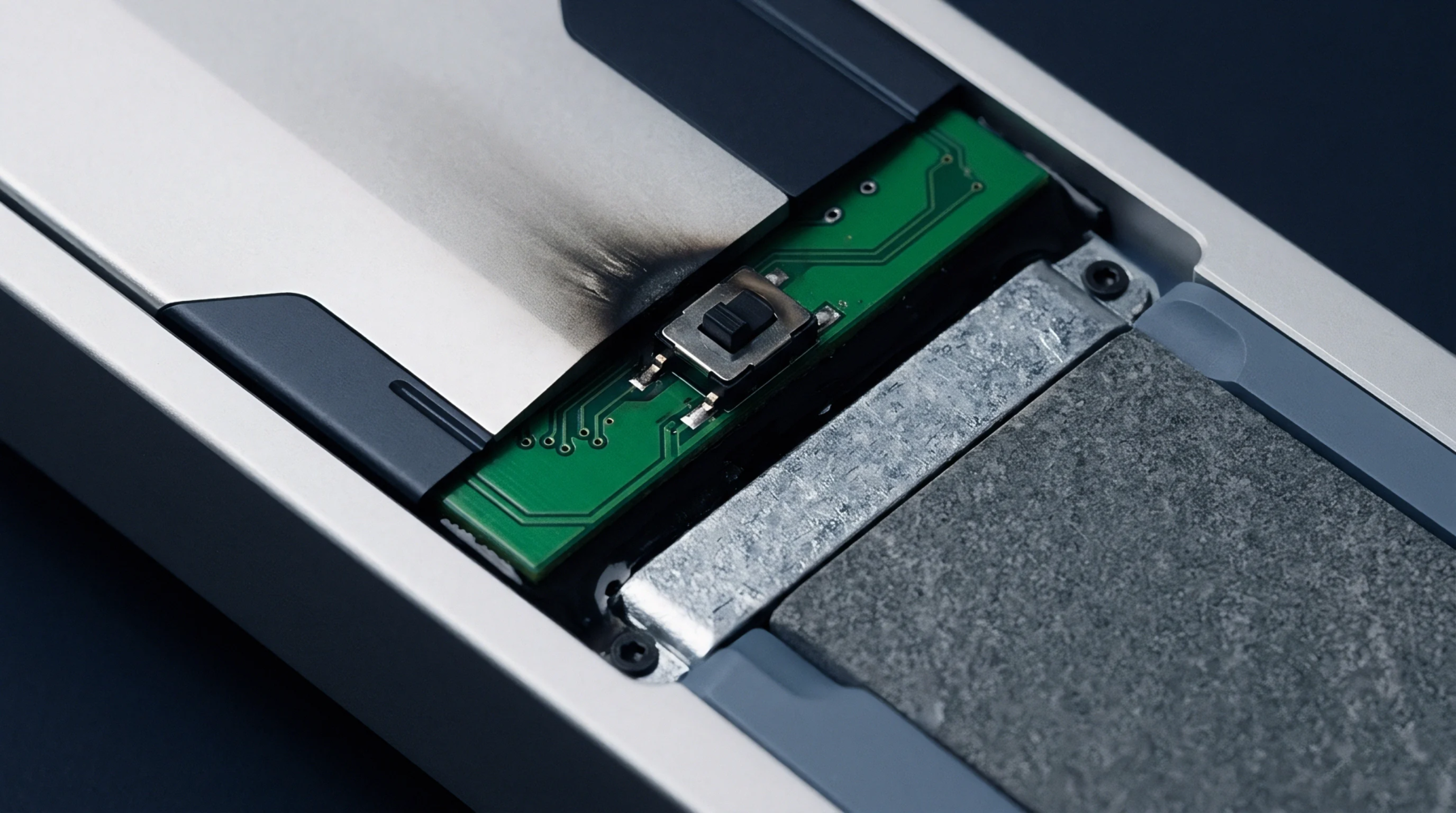
Contact torque relaxation designates the gradual loss of clamping force within an electrical or mechanical joint over operating time. Fastener preload decays because microstructural asperities flatten under sustained pressure and thermal cycling. This reduction happens silently during field service, compromising the low electrical resistance required for reliable radio frequency shielding and power transmission.
Engineers measure this phenomenon during thermal shock testing to determine whether an assembly maintains acceptable contact patch pressure before final certification.
Thermal Decay
Temperature fluctuations accelerate metal creep inside the fastened assembly. Different expansion coefficients between the housing and the threaded hardware create localized shear stresses that deform the mating threads. Component temperature rises during radio transmission, causing the internal hardware to expand at varying rates compared to the external enclosure.
Subsequent cooling contracts the materials unevenly, shearing the micro-interlocks that initially resisted rotational backing off.
Interface Degradation
Electrical resistance across the joined surfaces increases proportionally as the clamping pressure diminishes. Microscopic gaps open between the mating metal faces, reducing the conductive area available for high frequency current flow. Oxidation invades these newly formed voids, depositing resistive films that generate excess heat during operation.
Signal attenuation follows this degradation, ultimately causing intermittent connectivity failures in the deployed radio module.
Torque Audit
Production technicians verify joint integrity by applying a calibrated breakaway wrench during factory quality control inspections. This verification step ensures that the installed fastener retains sufficient residual tension after surviving initial environmental stress screening. Assembly lines record these post-test torque values to validate the torque-angle tightening parameters established during the initial product design phase.
Proper joint verification prevents field failures caused by inadequate preload retention.