Meaning
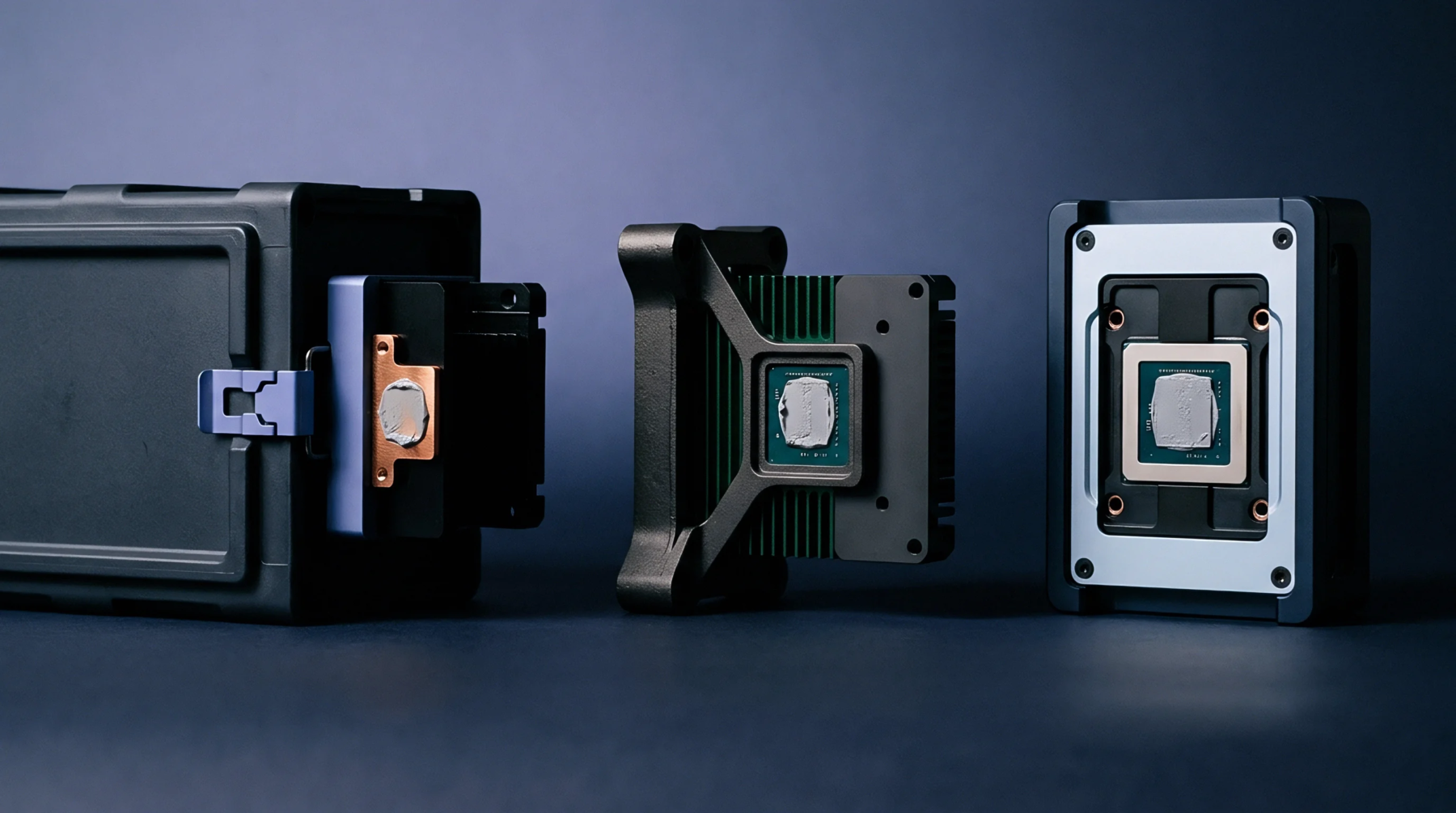
A specialized hardware assembly designed to provide physical interfaces and automated stimuli for firmware validation in a build pipeline. The continuous integration test jig links the device under test to a central server that manages the execution of the validation suite. This setup allows for the testing of code changes on real silicon within minutes of a software commit.
Hardware Interface
Automated testing requires reliable electrical connections to every pin of the target board. A continuous integration test jig provides the mechanical alignment and signal paths for serial consoles and power monitors. It converts the physical headers of the prototype into a format compatible with the laboratory network.
This physical layer ensures that the test results are consistent across multiple identical stations.
Environmental Control
Production-grade testing often involves varying the physical conditions under which the device operates. The continuous integration test jig may include components for thermal management or voltage margining. Sensors inside the assembly report the local temperature to ensure the target remains within the specified range for the test case.
This capability identifies race conditions that only appear at the edges of the operating window.
Deployment Metric
Tracking the utilization and availability of these stations is a required task for engineering management. When a continuous integration test jig is occupied, the feedback loop for the development team is delayed. The throughput of the software team is often limited by the number of available rigs in the laboratory.
Scaling the physical testing infrastructure allows for more frequent validation of the integrated product.