Meaning
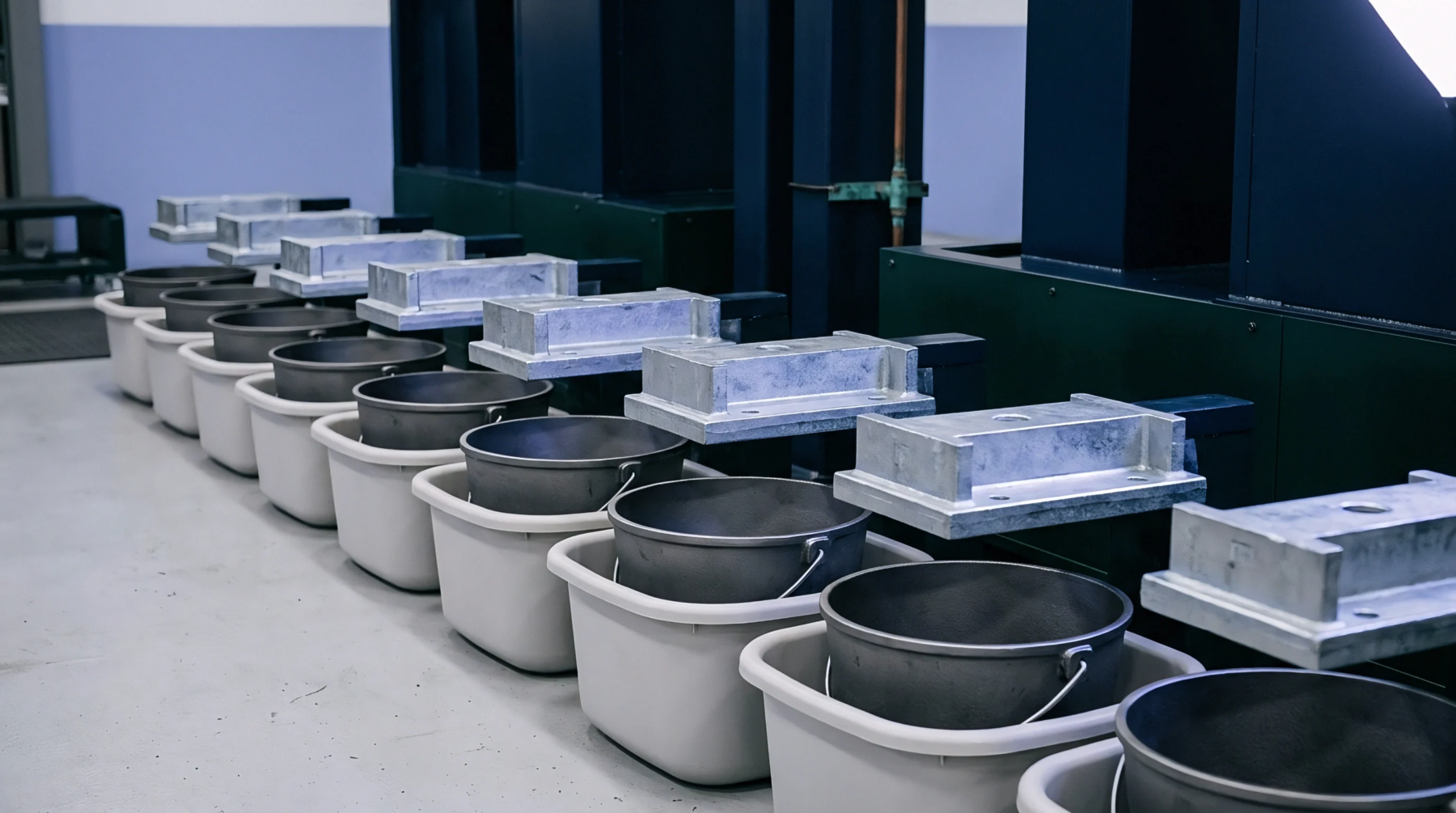
Specialized production hardware commissioned by an original equipment brand remains physically stationed inside an external assembly partner plant to fabricate proprietary components. Enclosure molds, stamping dies and printed circuit board programming nests constitute contract manufacturing tooling during high-volume electronics execution. The classification ends when capital fixtures are formally repatriated, scrapped or transferred out of supplier custody.
Physical Custody
Production fixtures operate inside vendor facilities under precise bailment agreements that separate legal ownership from daily operation. Commissioning contract manufacturing tooling binds the assembly partner to maintain specified shot rates, process windows and designated preventive maintenance cycles without modifying physical metal faces. Unapproved tool modifications represent a contractual default that invalidates incoming piece-part tolerance guarantees.
Asset Handover
Formal sign-off on capital assets requires signed tooling acceptance certificates paired with initial sample inspection reports. Buyers confirm dimensional stability, gate cosmetics and multi-cavity balancing before processing final vendor milestone disbursements. The execution of this handover document formally migrates risk from tooling fabrication houses to the merchant volume assembler.
Operational Demarcation
Maintenance protocols distinguish ordinary wear expenses from major capital restoration interventions during lifecycle runs. Minor consumable replacements such as core pins, ejector sleeves and heating cartridges fall under tier-one factory maintenance duties. Complete cavity rebuilds or emergency tool block replacements demand customer authorization, confirming that proprietary ownership rights remain cleanly divided from factory floor process management.