Meaning
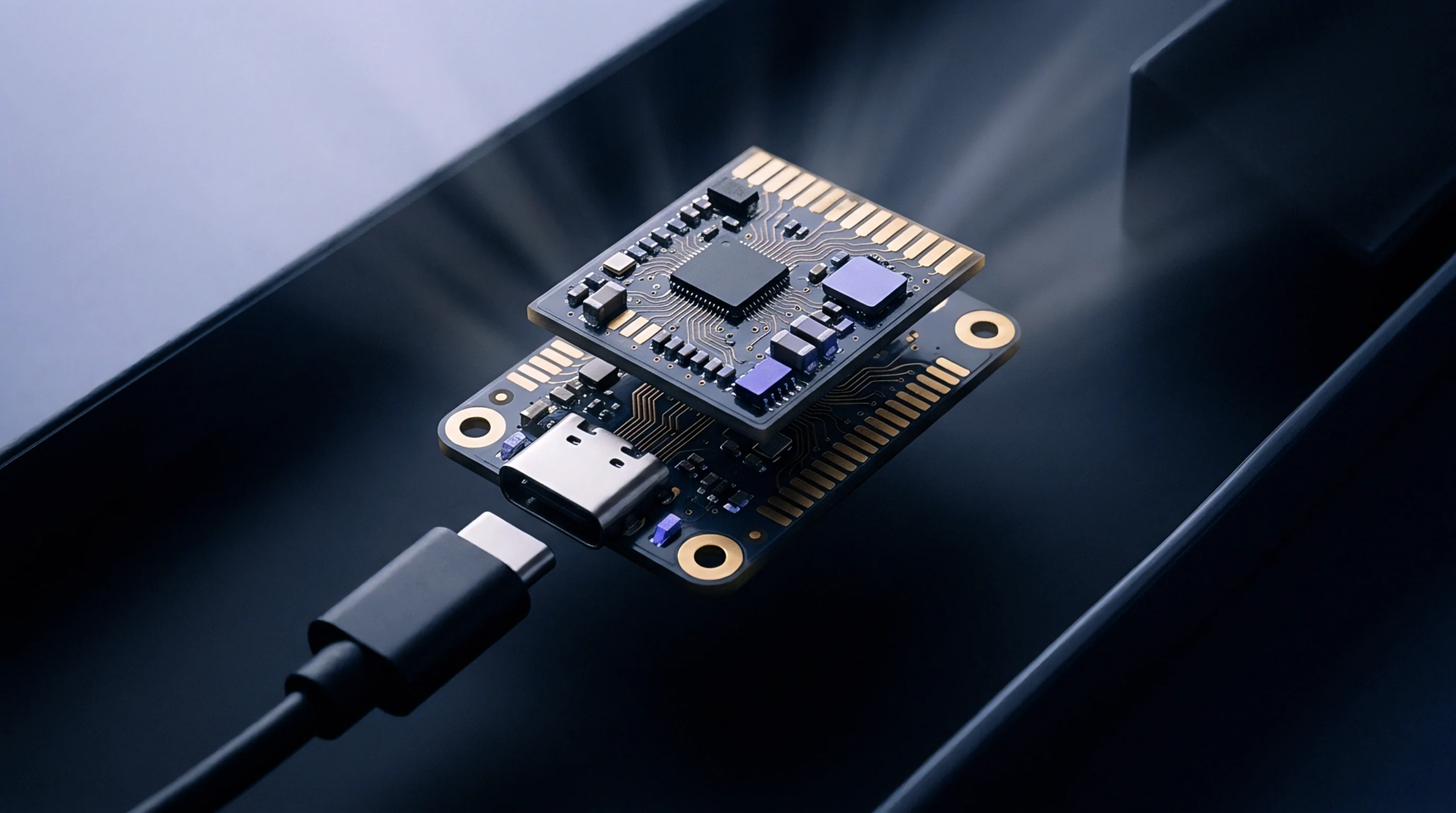
Hardware logic circuits manage high-speed data transfers between memory and peripheral devices without constant supervision from the central processing unit. A dma controller functions as an autonomous bus master that handles memory addressing and data movement once the host processor provides the initial source and destination parameters. Interrupt signals notify the main processor when the block transfer finishes or errors occur.
Transfer Protocol
Complex bus architectures require this logic to maintain system throughput during intensive input or output operations. By offloading bulk data tasks, the hardware allows the processor to execute alternative threads instead of monitoring register states for every byte arrival. Efficiency increases significantly when the data volume exceeds simple programmed input or output capabilities.
Integration Requirement
System designers verify electrical compatibility through the timing diagrams and bus signal arbitration logic defined during the initial hardware validation phase. Thermal budgets represent a primary constraint during board layout as the active silicon consumes power proportional to the clock frequency of the data movement. Qualification procedures confirm that the component satisfies the signal integrity standards required for the backplane interconnect.
Latency Constraint
Memory access contention emerges as the main operational bottleneck when multiple bus masters request bandwidth simultaneously from the system controller. Arbitration algorithms prioritize requests based on the specific requirements of the peripheral device to ensure that real-time data streams experience no loss of synchronization. Throughput capacity limits the maximum transfer rate allowable across the bridge architecture.