
Deriving Signal Integrity Defect Models from Physical Trace Modifications
Deriving signal integrity defect models requires mapping physical trace cross-section variations into spatial RLGC matrices validated by de-embedded TDR and VNA measurements.
Deriving signal integrity defect models requires mapping physical trace cross-section variations into spatial RLGC matrices validated by de-embedded TDR and VNA measurements.

Controlled impedance stackup verification requires explicit material callouts, coupon TDR testing, and IPC-compliant drawing notes to hold 50-ohm traces.
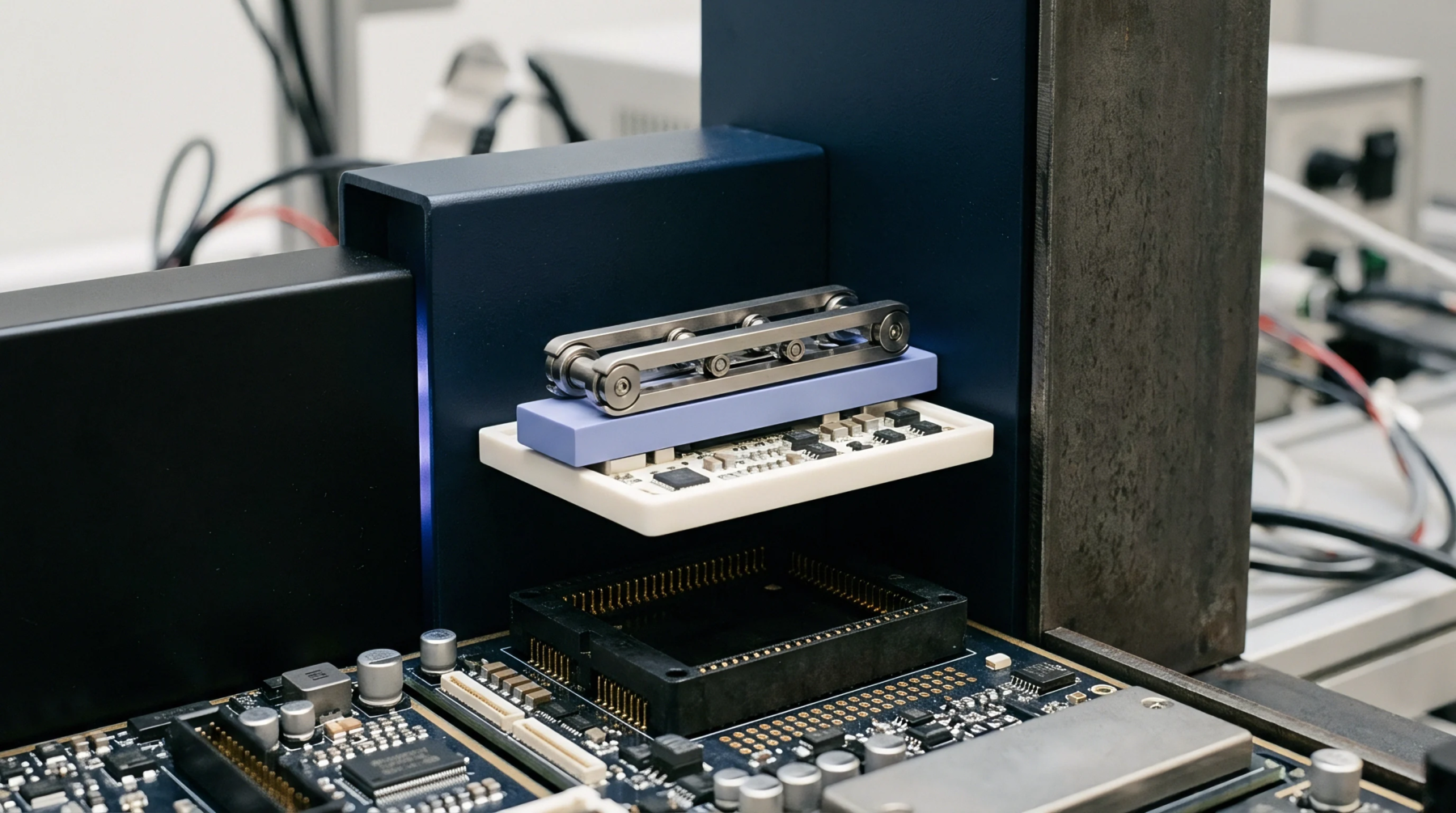
Statistical tolerance dossiers must bridge mechanical etching distributions and high-frequency S-parameter gating to prevent mmWave panel scrap.
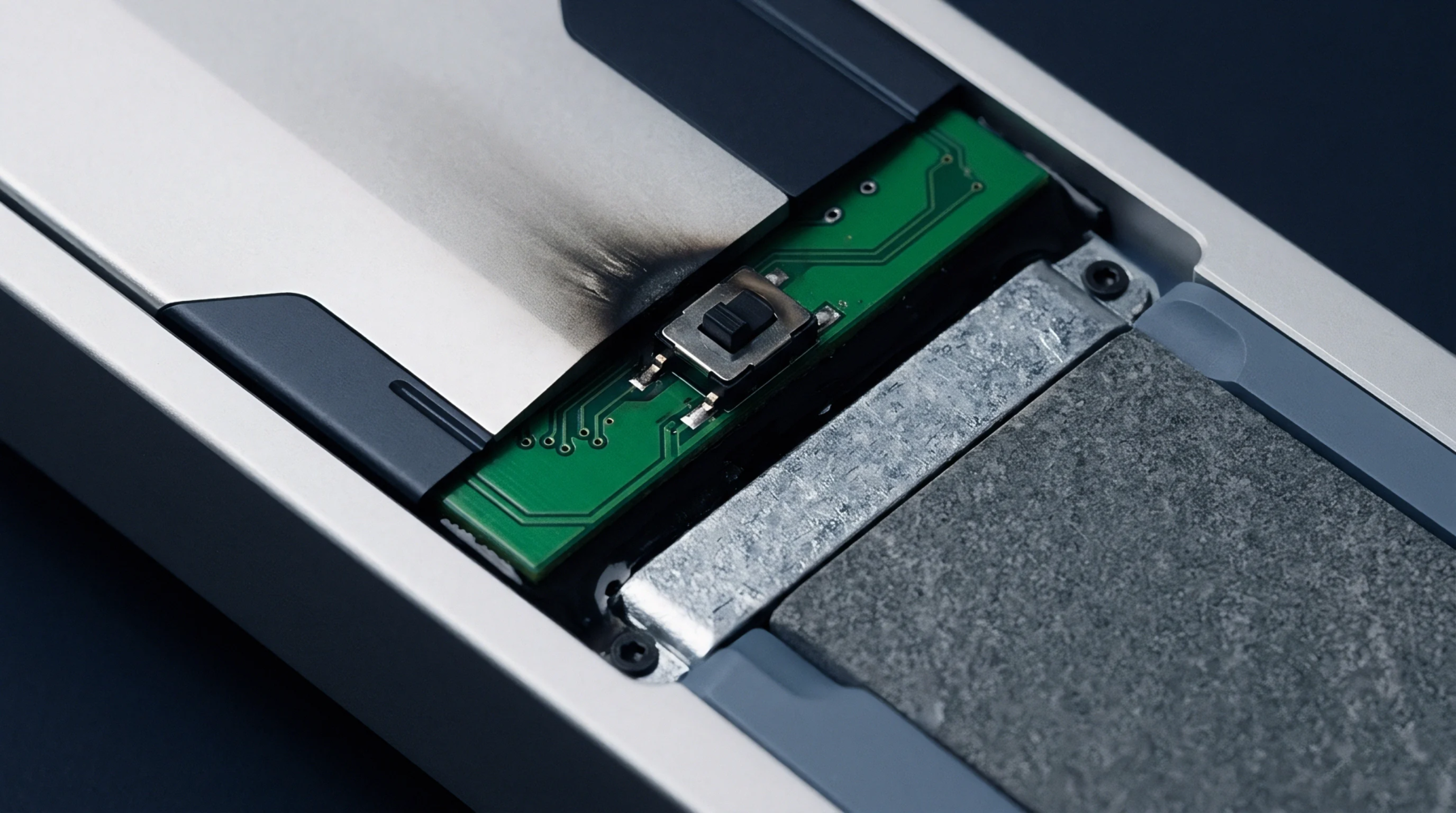
Substrate dielectric variance alters trace capacitance and phase velocity, driving high-frequency impedance offsets, skew, and eye-closure failures.
Expertise is a utility, not a secret. sentiention™ publishes its working knowledge as open reference: intelligence layer covering the materials it sources, the markets it enters, and the reference that serves both.