Meaning
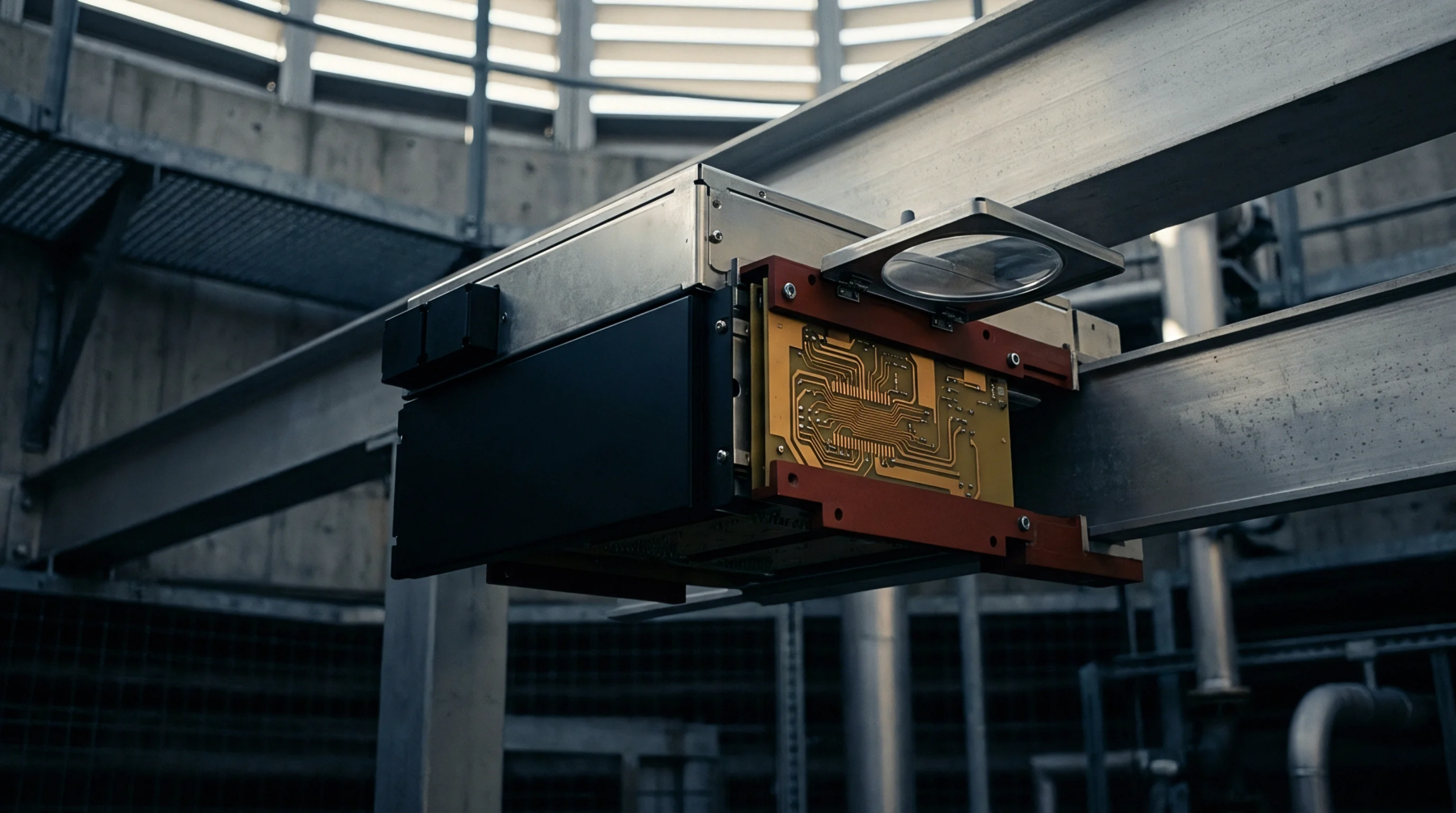
Firmware binary transfer defines the targeted payload migration procedure moving compiled machine code images from an external provisioning station into nonvolatile memory arrays on a target printed circuit board assembly. System architecture relies on this sequenced image transmission during factory line programming or field modification phases to establish valid bootloader states and operational application software. Flash memory blocks accept the incoming data streams through serial peripheral interfaces or universal asynchronous receiver transmitter channels until cryptographic checksum verification passes successfully.
Memory Allocation
Component integration requires precise boundary mapping inside the microcontroller architecture to prevent image corruption during the firmware binary transfer sequence. Partitioning schemes reserve specific address ranges for boot loaders, parameter blocks, and application banks while maintaining safety margins against memory overflow faults. Hardware constraints limit write endurance cycles on modern flash cells, so transmission routines minimize erase block operations by staging partial updates in RAM buffers before committing permanent changes.
Protocol Security
Communication links execute cryptographic validation checks during the firmware binary transfer to block malicious code injection attempts before execution rights are granted. Public key infrastructures verify digital signatures embedded within the image header against a root certificate stored inside an immutable hardware security module on the target board. Session tokens and encrypted transport layers protect proprietary binaries from interception along exposed debugging headers while the printed circuit board assembly moves through unsecure logistics channels.
Production Handover
Manufacturing lines record transmission success rates and checksum confirmation logs inside the permanent unit history database during final electrical test procedures. Quality assurance gates evaluate the speed and error frequency of the firmware binary transfer against defined factory baseline thresholds before certifying the printed circuit board assembly for shipping. Operational reliability depends directly on the integrity maintained throughout this final memory programming stage.