Meaning
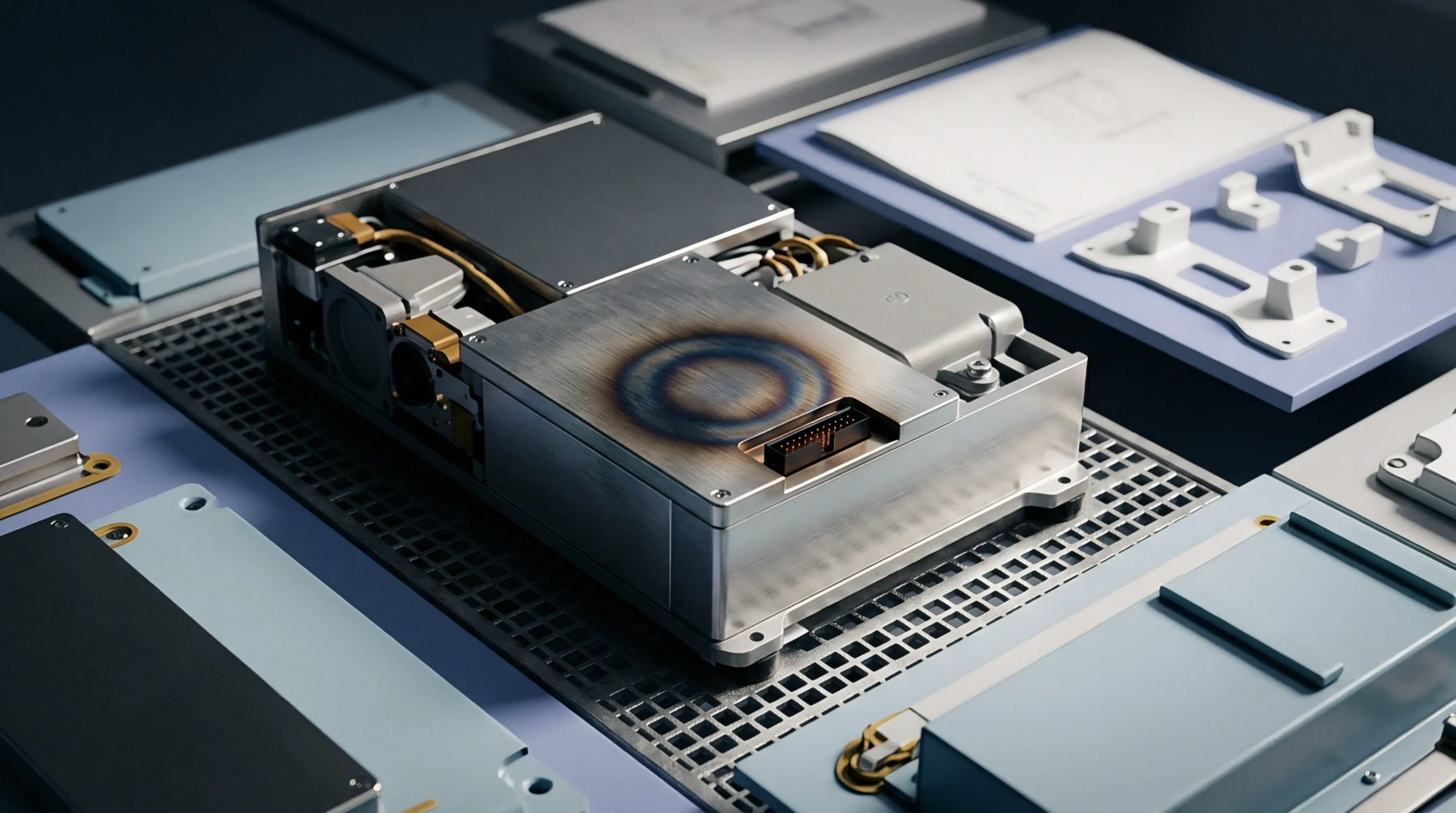
Periodic physical intervention restores the dimensional accuracy of mechanical assembly fixtures to ensure repeatable positioning for surface mount components. Hardware jig maintenance involves reaming locating holes, replacing worn contact pins, and resurfacing base plates to counteract the degradation caused by thousands of compression cycles. This process remains active throughout the high volume production phase to prevent misalignment during solder paste application or component placement.
Fixture Calibration
Thermal expansion coefficients shift the physical position of registration features over extended operational periods. Technicians measure these deviations using high precision optical comparators to verify alignment against the master board layout. Deviations exceeding defined tolerances necessitate mechanical adjustment or the complete replacement of critical locating elements.
Degradation Control
Repeated mechanical stress induces metal fatigue at the contact points where circuit boards meet the seating surface. Surface abrasion on the jig base alters the gap between the stencil and the printed wiring board, which compromises the volume of deposited solder. Regular inspection cycles remove burrs or material buildup that impede proper board seating, thereby maintaining the stability of the entire assembly workflow.
Operational Assurance
Constant vigilance regarding tool condition prevents systematic errors that damage delicate interface headers during the boarding process. Proper upkeep of the underlying support structure mitigates the risk of substrate warping under the pressure of automated assembly equipment. Consistent verification of these support geometries provides the only protection against intermittent connectivity faults in the final product.